
It’s spring, and you know what that means! Backyard flocks are booming Thanks to rising egg prices, baby chicks are flying off the shelves as more people dive into the joys of raising chickens And while the eggs are certainly a bonus, it’s the fun, quirky personalities of chickens that make them truly lovable
Time to Say Goodbye
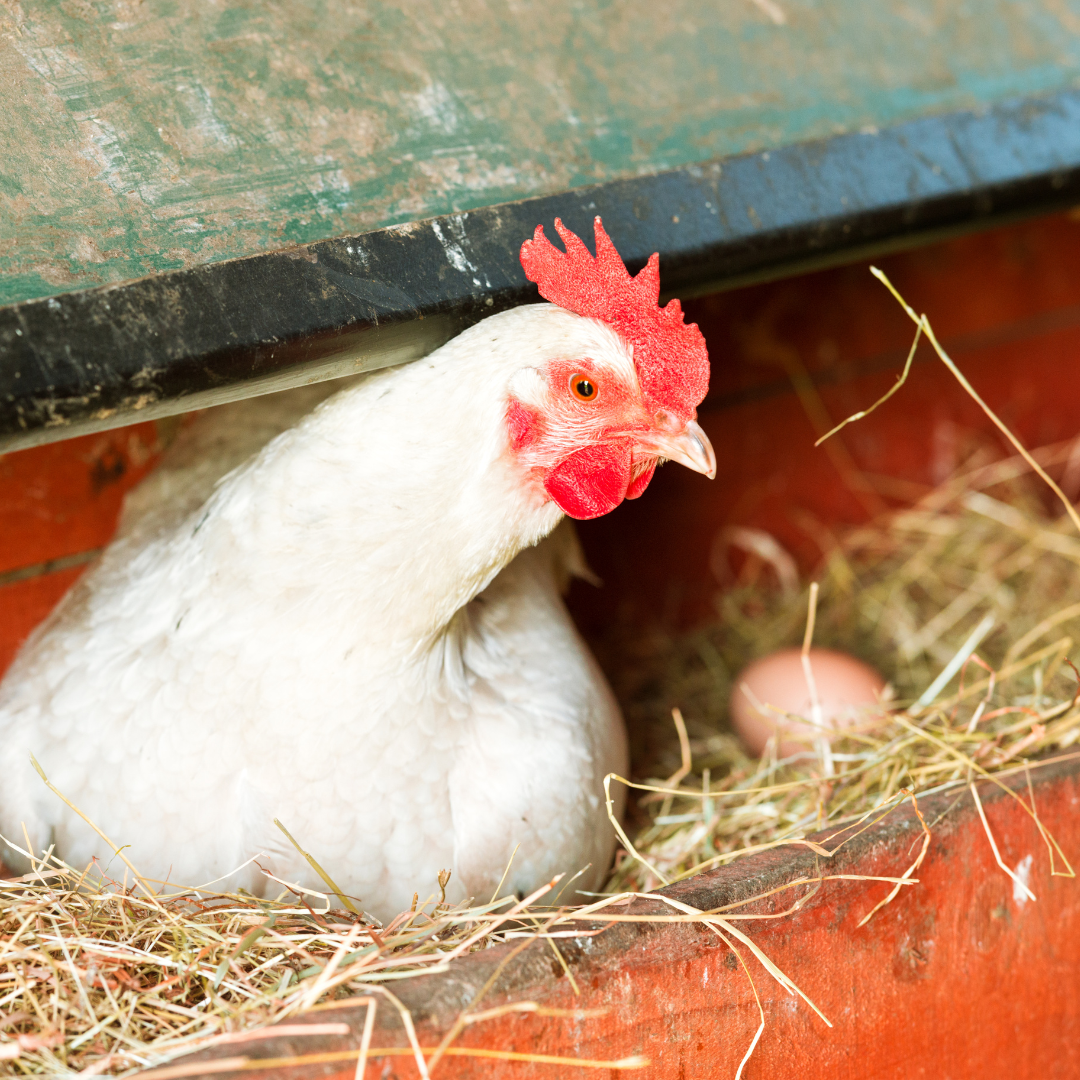
Anyone who has kept a backyard flock eventually faces a dilemma As hens age their egg laying slows Eventually it nearly stops There’s a point where the girls eat expensive feed yet hardly lay an egg How does a flock owner decide when to get rid of aging hens and what to do with them?
A Laying Scenario
A young pullet starts laying when she is 18 to 24 weeks old If she’s of a productive breed she’ll soon lay like fury It takes about 26 hours for an egg to form, so every once in a while, she’ll take a
VIDEO: How to Know When a Hen is Done Laying Eggs
Egg Laying Tips to Keep Up the Egg Production
If you’re looking for egg laying tips to keep your chickens laying beautiful eggs all year, you’re in the right place
Nutrition is Key
Feeding a quality food and snacks is the first place to start when it comes to egg production Chickens need to start from day one on a high quality, high protein feed to prevent long term problems One they reach 16-20 weeks old, you can switch them to a lower protein feed Certain snacks are also useful to encourage chickens to lay eggs
Meal worms, bugs, black sunflower seeds, scratch grains, and watermelon are all snacks that can
Reasons Birds Stop Laying
If you’re raising chickens, one of the reasons that you probably started with chickens is so that you could have fresh eggs It can be a bummer when your hens stop laying What causes hens to stop laying eggs? Let’s dive into why birds will stop laying
The Science of Why Birds Lay Eggs
In nature, most birds will lay eggs only in certain times of the year They will lay eggs when it’s the best time to raise their young The ‘best’ time depends on temperature, whether food is readily available and other factors from the environment Some birds will
VIDEO: How Daylight Affects Egg Laying
Why Chickens Slow Down Laying in the Fall
The long, warm days of summer are coming to a swift end Just as quickly, you may have noticed a sudden drop in your flock’s egg production!
Chickens will slow down laying during the fall for two reasons; less sunlight and the molt
In the world of chickens, less daylight equals less prolactin
Prolactin exists in most creatures and is a reproductive regulating hormone Prolactin is responsible for stimulating the ovulation cycle in a hen No one really knows why, but in our domestic chickens, prolactin levels decrease when days begin to have less than 12 hours of sunlight
Without a normal ovulation
The Old Hen
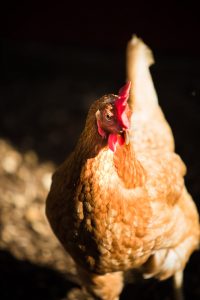
She’s beautiful A classic She has been a part of your flock for years and years There is just one problem; she’s growing old
When a hen who was once productive begins laying less eggs, eventually halting egg laying permanently, it can be very disappointing
Hens start laying their first eggs at around 6 months of age
Hens lay the most eggs in the first 2 years, with egg production slowly decreasing each year after age 3 On average, chickens live 8-10 years That means, there will most likely be several years your beloved hen will go on living without producing eggs
Egg
Lights Put More Eggs in the Nest
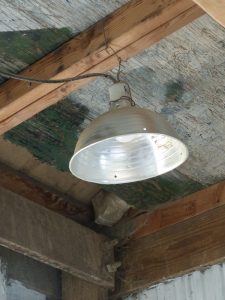
All of today’s hundreds of chicken breeds originated from wild birds stalking the jungles of Southeast Asia Their distant ancestors were adapted to a hot, humid climate close to the equator where day length doesn’t vary much throughout the year
It’s a wonder these formerly tropical animals can survive cold dark winters, but the plucky birds do just fine when the temperature drops and days shorten as winter grips the north There is a problem Decreasing daylight as fall progresses causes egg production to drop off It doesn’t cease but slows just as the winter baking season starts
Fortunately, hens can
Hard-Working Hens: How to Yield the Best Egg Production Out of Your Flock
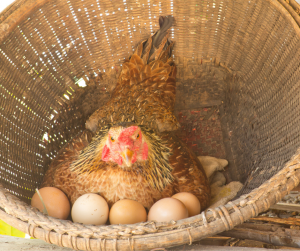
At what age will my hens start and stop producing? Is there a breed that produces best? Is there a breed that produces best? How can I help my flock produce to the best of their ability? Do the seasons effect my hens? These are all such important questions to ask yourself as a flock owner We all want our flocks to thrive and honestly, what is the point in a chicken (besides a pet) if they aren’t producing to the best of their ability? Though they