Predator Control 101: Protecting Your Backyard Flock

Predator Control Tips for Protecting Backyard Flocks

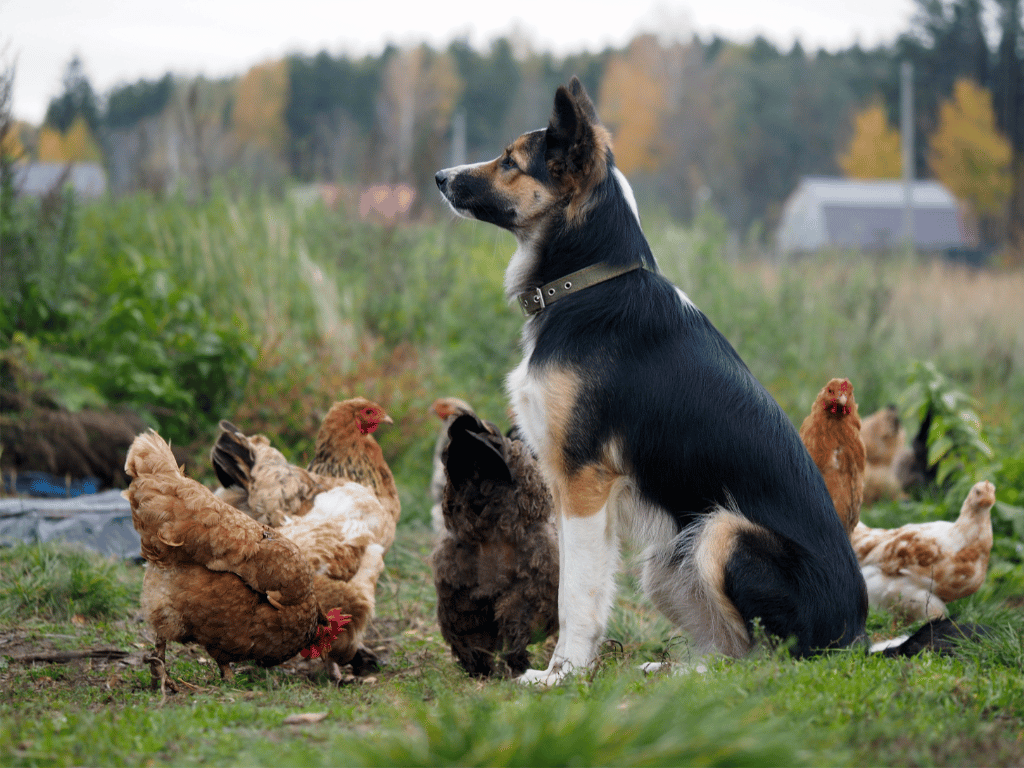
Few things are as heartbreaking as going out to your coop in the morning and discovering that a predator paid your chickens a midnight visit Whether it’s raccoons, foxes, hawks, or the neighbor’s dog, backyard flocks are a tempting target The good news? You can stay one step ahead with smart predator control strategies

Let’s explore the most effective ways to keep your feathered friends safe

  1. Fortify the Coop and Run

The first line of defense is a coop that predators can’t breach Think of it as chicken Fort Knox

  • Hardware cloth, not chicken

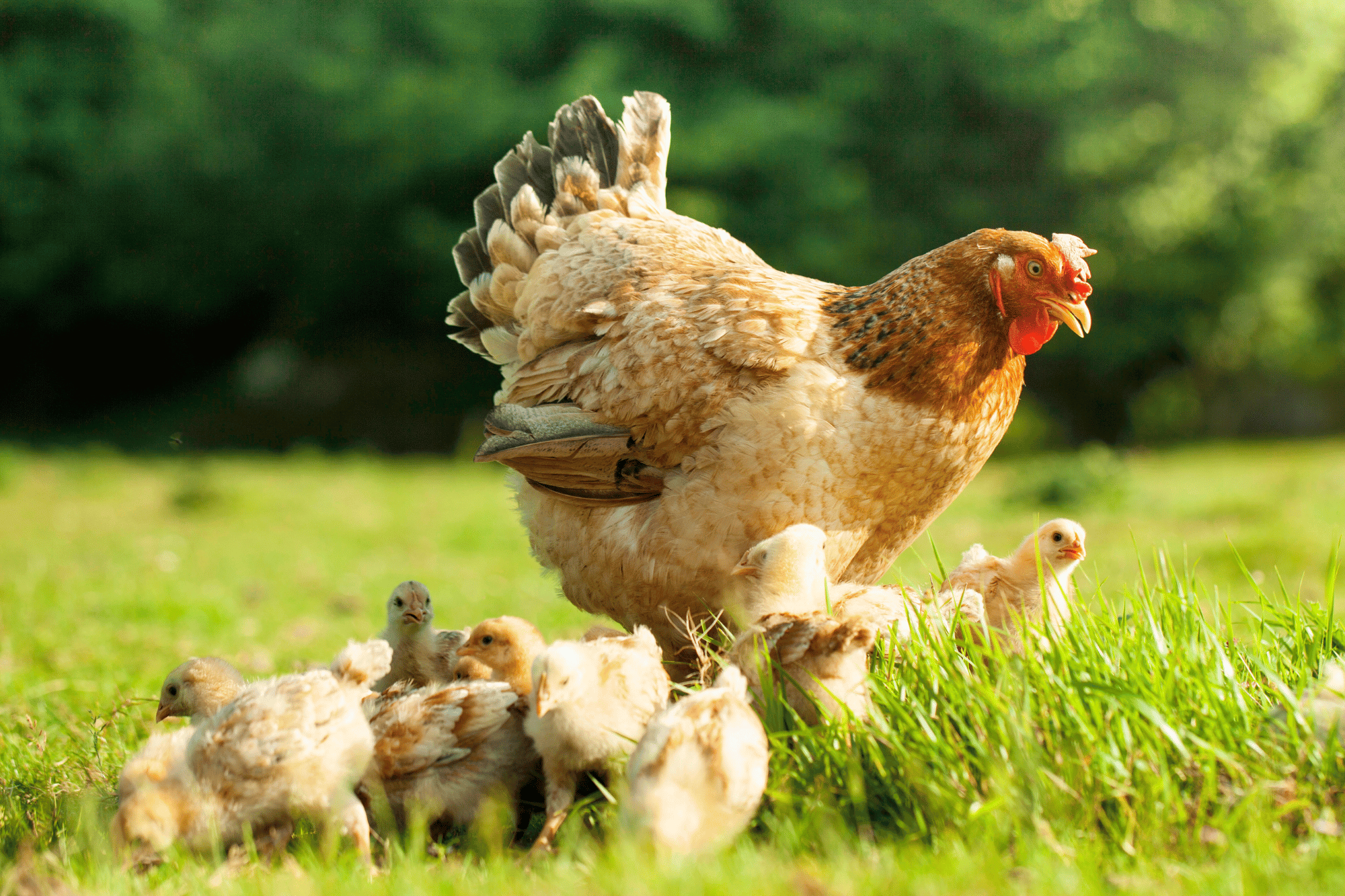
When Your Hen Decides to Be a Stay-at-Home Mom (a.k.a. Going Broody)

When Your Hen Goes Broody: What It Means and What to Do

One day she’s clucking around the yard, laying eggs like a champ The next day she’s parked in the nest box, glaring at you like you just tried to steal her firstborn Welcome to the world of the broody hen—where logic goes out the window, hormones run the show, and your egg supply takes a nosedive

What “Broody” Really Means

In chicken terms, broody = mom mode Your hen has decided her life’s calling is to sit on eggs until they magically hatch, whether those eggs are fertile or not

How to Manage and Prevent Lice in Your Chicken Flock

How to Manage and Prevent Lice in Your Chicken Flock

Raising chickens can be one of the most rewarding homestead or backyard hobbies, but like any animal, poultry are vulnerable to external parasites One of the most common—and frustrating—pests you may encounter is chicken lice Left unchecked, lice can spread quickly through a flock, reducing egg production, stressing your birds, and even leading to secondary health issues Fortunately, with the right management and prevention strategies, you can keep lice under control and your hens happy and healthy

Recognizing the Signs of Lice in Chickens

Chicken lice are tiny, straw-colored insects that live

Raising Meat Chickens: From Chick to Freezer

How to Raise Meat Chickens from Chicks to Freezer

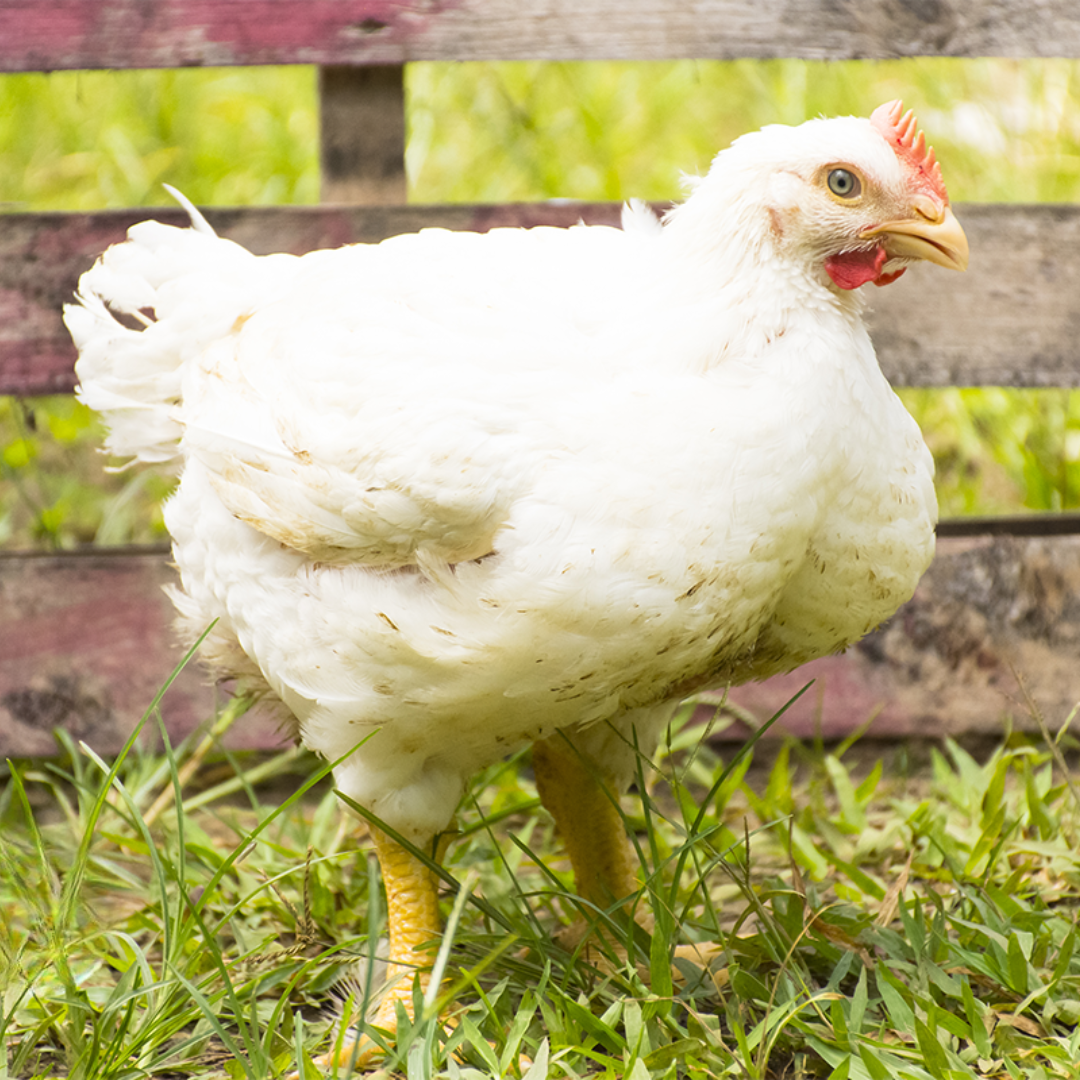
There’s something deeply rewarding about raising your own food When it comes to poultry, meat chickens (also called broilers) can provide a healthy, sustainable, and flavorful source of protein right from your backyard But raising meat birds is a little different than keeping a small flock of egg layers If you’re considering this step, here’s what you need to know to raise meat chickens successfully—from fluffy chicks to processing day

Step 1: Choosing the Right Breed

Not all chickens are created equal when it comes to meat production

  • Cornish Cross: The most popular

Urban Chicken Noise: Living with Feathered Neighbors Who Love to Chat

Keeping chickens in the city brings fresh eggs and wholesome fun—but it also comes with a soundtrack that’s surprisingly lively Chickens aren’t quiet creatures; their range of clucks, squawks, and chatter can be a surprise to new urban flock keepers Most people think roosters are the only loud mouths, but they must not be aware of the daily song a hen sings after laying her egg!

What’s Making All That Noise?

Chickens vocalize for all sorts of reasons: socializing with the flock, alerting to potential danger, staking claim on favorite food, or just

Pin Feathers: The Chicken World’s Awkward Adolescence

Pin Feathers in Chickens: What They Are and How to Help

If you’ve ever seen your chickens looking a bit rough—sporting more “hedgehog chic” than their usual fluff—you’ve witnessed the wonders of pin feathers Think of pin feathers as your birds’ awkward teen phase: pointy, sensitive, and best approached with plenty of patience and zero judgment

What Are Pin Feathers?

Pin feathers are the new growths that sprout when a chicken molts, prepping for a wardrobe upgrade Each feather starts as a shaft covered in a waxy keratin sheath, resembling little pins poking out from your bird’s body Beneath that sheath is

Antibiotics and Your Flock: When Medicine is Necessary, and When to Hold the Prescription

Antibiotics for Chickens: When to Use Them Safely

Every backyard chicken keeper dreams of a happy, healthy flock, strutting through the grass and plotting their next egg-laying contest But sometimes, trouble strikes, and suddenly you’re navigating the confusing world of antibiotics: miracle cure, potential minefield, and eternal debate among coop enthusiasts

When Should You Use Antibiotics?

Antibiotics have a place in flock care, especially for treating clear-cut, vet-diagnosed bacterial infections Sick chickens can go downhill fast, and immediate treatment may mean the difference between a barnyard full of rambunctious layers and a sad day in the henhouse But don’t reach for those

Pasty Bottom: Not the Chicken Trend Anyone Wanted

Pasty Bottom in Chicks: Causes, Fixes and Prevention

It’s a rite of passage for new chicken owners—thinking you’ve got the cozy brooder thing down, only to spot what looks suspiciously like a fluffy little bird sporting… well, let’s just call it a diaper malfunction Welcome to the glamorous world of “pasty bottom”—the poultry equivalent of a clogged pipe at the worst possible moment

What Exactly is Pasty Bottom?

Forget spa days and tail feather preening—“pasty bottom” happens when droppings get stuck to the downy fluff under a chick’s vent The technical name is “pasting

Give Your Chickens Room to Roam: Why Adequate Space Matters

How Much Space Do Chickens Need for a Healthy Flock

Raising happy, healthy chickens isn’t just about food and water—it’s about space Think of your flock as tiny, feathery divas who appreciate a little breathing room to strut, scratch, and socialize without feeling like they’re stuck in hen house traffic The very best option is allowing your flock free range time, but understandably this isn’t always feasible for all

How Much Space Do Chickens Really Need?

The golden rule: each chicken deserves at least 2–3 square feet inside the coop and 8–10 square feet in the outdoor run Cramped quarters lead to

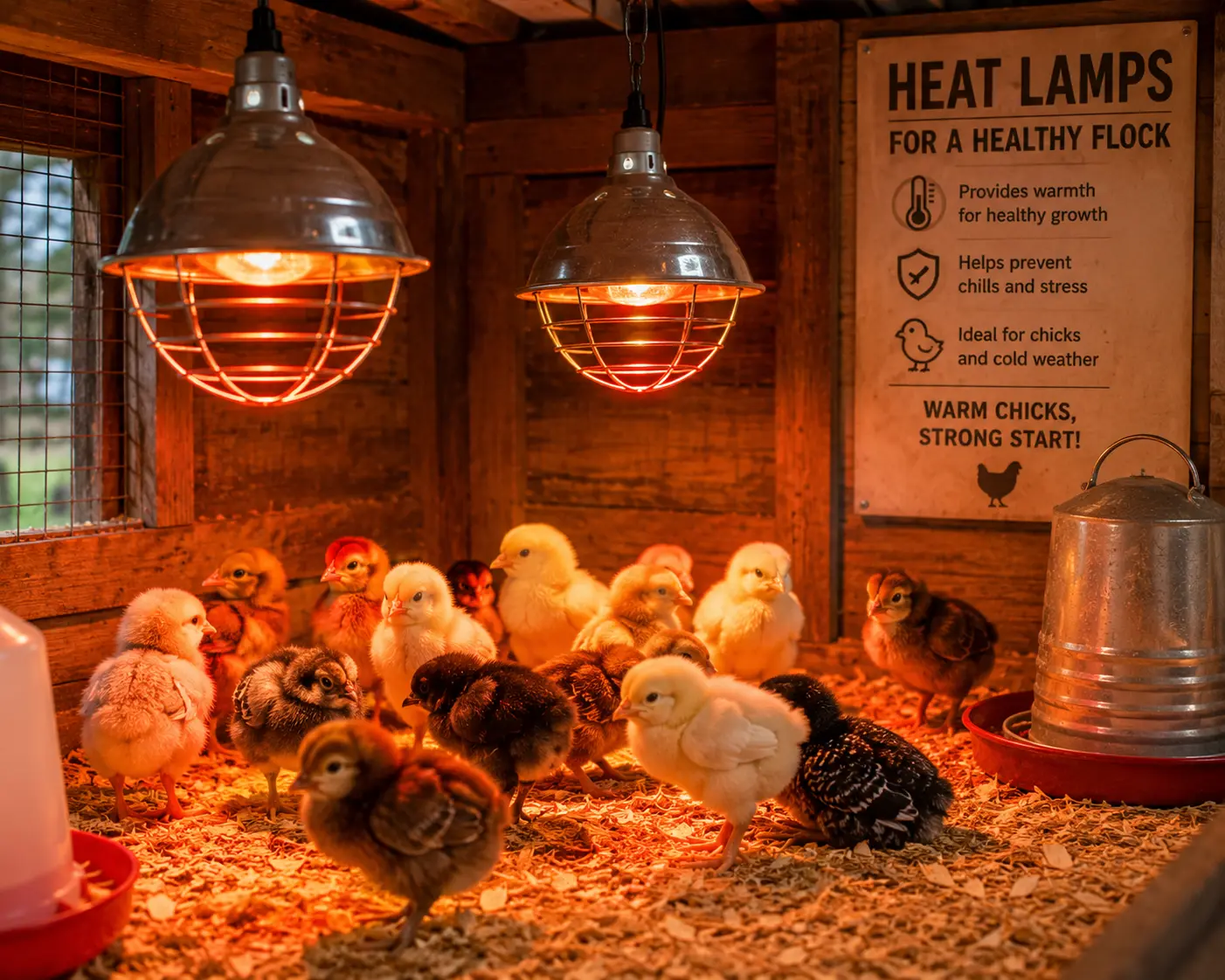
Chicken Heat Lamp Safety: How to Keep Your Coop Warm in Winter

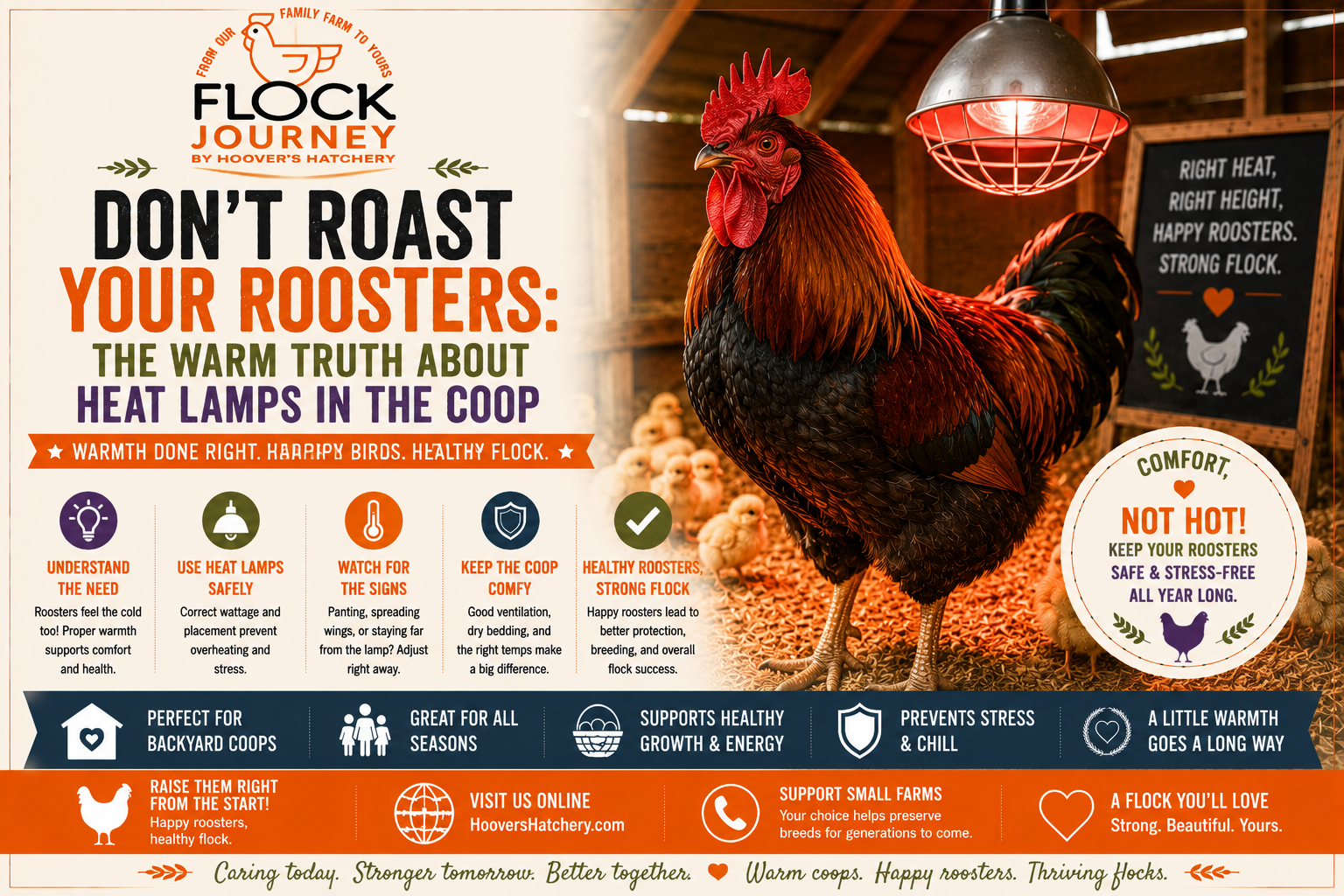
When the temperature drops and your chickens start giving you that look, like you personally scheduled winter, the temptation to hang a big red heat lamp over the roost gets strong Before you turn the coop into a rotisserie, though, it’s worth pausing to talk about chicken heat lamp safety Heat lamps can absolutely keep a flock warm, but they also cause a surprising number of coop fires every year The good news is that with the right setup, and often with no added heat at all, you can keep your hens cozy and safe all winter long