If you have spent any time browsing backyard poultry forums or hatchery catalogs, you have probably run across the phrase “heritage breed” more than once. A heritage breed chicken is a traditional, slow-growing bird that can mate naturally, live a long, productive life on pasture, and trace its lineage back to standardized breeds recognized generations ago. These are the same hardy chickens that fed families long before commercial hybrids showed up, and they are making a strong comeback in backyard flocks across the country.
Chickens have been a source of protein for hundreds of years. When Spanish explorers arrived in the Americas, they brought chickens with them, and those early birds were bred to be hardy and productive. As European settlers put down roots in North America, they kept that tradition going, selecting their flocks for health, longevity, and steady output. The result was a deep well of regional birds suited to the land and climate they lived in.
New to backyard chickens?
FlockJourney is your go-to resource for flock care, breed guides, and poultry tips straight from the experts at Hoover’s Hatchery.
Where Heritage Breeds Come From
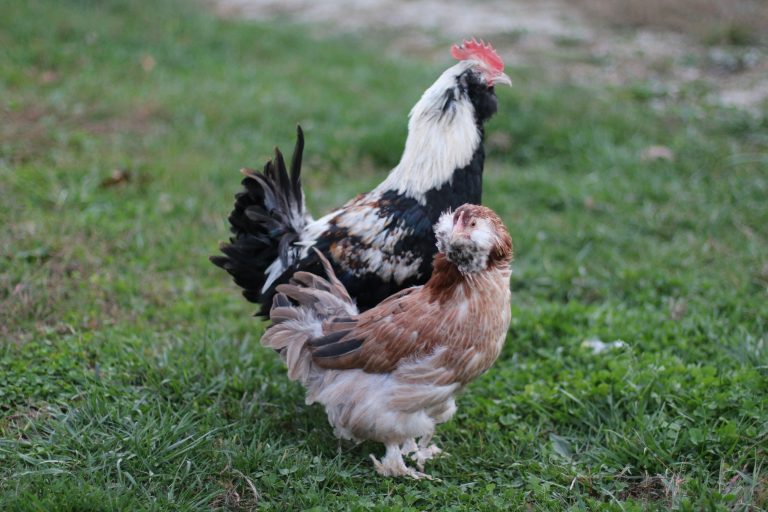
The story really takes shape in 1873, when the American Poultry Association began formally defining breeds. These standardized breeds became highly adapted to specific climates and purposes. Some were extremely cold-hardy and kept laying right through the darkest part of winter, while others were developed to put meat on the table and eggs in the basket at the same time, creating the fabulous dual-purpose birds that farms relied on for decades.
Then the chicken industry changed dramatically in the early 1900s. A handful of hybrid crosses turned out to be exceptional producers, and poultry shifted from a household staple into a large commercial venture. As families left farms for towns and cities, most stopped raising their own chickens and started buying eggs and meat at the grocery store instead. With fewer people keeping them, the population of the old standard breeds began to drop fast. Many of those same birds are now considered heritage breeds worth protecting, and you can explore the full range of traditional birds in our rare breeds collection.
Who Defines a Heritage Breed?
The term “heritage breed” is officially defined by the Livestock Conservancy, an organization dedicated to keeping old breeds alive. Many heritage breeds are the very same birds that the APA defined back in the 1800s, which means they are highly adapted and solid performers with a track record going back well over a century. The Livestock Conservancy also tracks how endangered each breed is, sorting them into categories based on estimated population numbers.
According to the Livestock Conservancy, breeds with very few remaining individuals are listed as critical, while those with stronger numbers fall under recovering or study status. Birds somewhere in between are listed as threatened or watch, meaning their numbers are improving but still need attention. This conservation tracking is a big reason why choosing a heritage bird can feel like joining a larger preservation effort, not just filling a coop.
The Four Criteria a Chicken Must Meet
A chicken cannot just be old-fashioned to earn the heritage label. To be considered a true heritage breed chicken, a bird must meet four specific criteria. Here is what separates a genuine heritage breed from everything else:
- It must be an American Poultry Association breed. The bird needs parents and grandparents that can be traced as a standard APA breed; all chickens and eggs must come from APA standard stock, and the bird must meet the official standard of perfection for its breed.
- It must be able to mate naturally. Every heritage breed has to reproduce without artificial methods. The chicken must be the result of natural mating, full stop.
- It must have a long, productive outdoor lifespan. A heritage bird should thrive outdoors in a pasture setting for years. Hens should stay productive for 5 to 7 years and roosters for 3 to 5 years.
- It must grow slowly. Heritage chickens should reach market weight in no fewer than 16 weeks, a far cry from the rapid timelines of commercial birds.
Raising birds that live outdoors for years also means thinking carefully about safety, so it is worth reviewing your setup and brushing up on protecting your flock from predators before your heritage chickens start free-ranging.
Not sure which breed is right for you?
Browse our complete breed guides to find the perfect match for your flock goals, climate, and lifestyle.
Heritage Breeds vs. Hybrid Chickens
These criteria stand in sharp contrast to many of the hybrid chickens raised today. Some commercial hybrids reach market weight in as little as 6 weeks, cannot breed naturally, and have a short production lifespan of just 1 to 2 years. Hybrids absolutely have their place, especially when fast growth or peak egg output is the goal, but they are not built for the long, self-sustaining life that defines a heritage bird.
Heritage breeds trade speed for staying power. They take longer to mature, but they reward patient keepers with years of eggs, natural reproduction, strong foraging instincts, and resilience in the kinds of conditions that store-bought production birds were never designed to handle. For homesteaders who want a flock that can renew itself season after season, that trade-off is the whole point. If a productive, traditional layer sounds appealing, the dual-purpose heritage breeds at Hoover’s Hatchery are a great place to start.
Popular Heritage Breeds to Consider
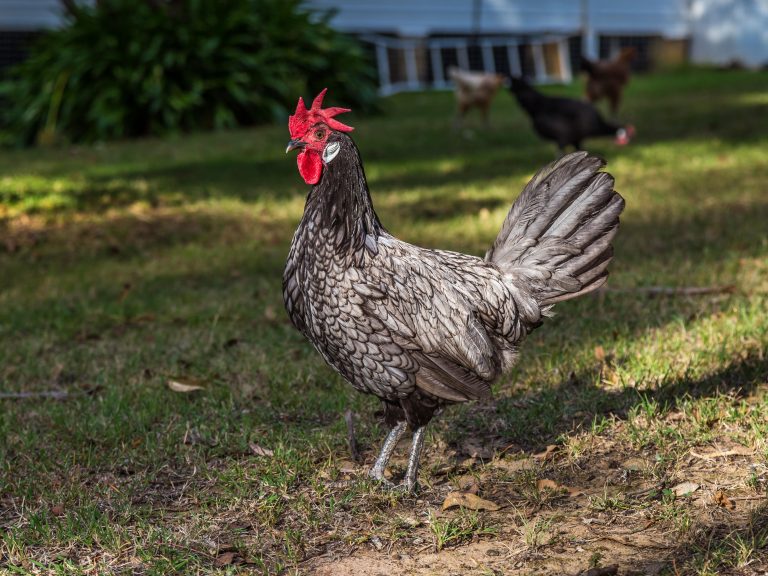
There are over 50 heritage breeds of chickens, which gives you plenty of personalities, colors, and laying styles to choose from. The Dominique, for example, is often called America’s oldest chicken breed and remains a calm, dependable backyard favorite. Hoover’s Hatchery offers a wide selection of heritage and rare birds, and you can find many of them in the brown egg layer lineup or the broader rare breeds selection.
A few of the well-loved heritage breeds available include the Salmon Faverolle, Silver Lakenvelder, Ancona, Blue Andalusian, Buckeye, Chantecler, Delaware, Dominique, Jersey Giant, Black Minorca, Polish, Black Australorp, Brahma, and Cochin. Whether you want a striking show bird, a steady winter layer, or a true dual-purpose homestead chicken, there is a heritage breed that fits the bill.
Frequently Asked Questions
What is a heritage breed chicken?
A heritage breed chicken is a traditional bird recognized by the American Poultry Association that can mate naturally, has a long and productive outdoor lifespan, and grows slowly, reaching market weight in no fewer than 16 weeks. The Livestock Conservancy maintains the official definition. These breeds are prized for their hardiness and self-sustaining qualities.
How is a heritage breed different from a hybrid chicken?
Heritage breeds grow slowly, mate naturally, and stay productive for many years, while many hybrids reach market weight in about 6 weeks, often cannot reproduce naturally, and have a production lifespan of only 1 to 2 years. Hybrids are bred for fast, high commercial output. Heritage breeds are bred for longevity and resilience.
Who decides what counts as a heritage breed?
The Livestock Conservancy sets the official definition of a heritage breed and tracks the conservation status of each one. A qualifying bird must descend from American Poultry Association standard breeds and meet all four heritage criteria. The Conservancy works to keep these old breeds from disappearing.
Are heritage breed chickens good for beginners?
Yes, many heritage breeds are excellent for beginners because they are hardy, adaptable, and generally easy to manage in a backyard setting. Calm, dependable breeds like the Dominique or Black Australorp are especially beginner-friendly. Just keep in mind that they grow more slowly than hybrids, so patience pays off.
Heritage breeds connect today’s backyard keepers to generations of poultry tradition, and they offer a rewarding, sustainable way to raise chickens that can carry your flock forward year after year. Whether you are drawn to their history, their hardiness, or simply their good looks in the yard, there has never been a better time to add a heritage bird to your coop.
Ready to start your heritage flock?
Hoover’s Hatchery ships healthy, vaccinated chicks straight to your door from hatcheries across the US. Explore dozens of heritage and rare breeds to find your perfect match.