Keeping Bears Away From Your Backyard Chicken Coop
Raccoons live almost everywhere and love dining on chickens, eggs, and feed Wise owners of backyard flocks keep their hens in a sturdy coop with doors tightly closed when nighttime raccoons are on the prowl
Imagine the damage a 20-pound raccoon could do to a coop if it weighed 500 pounds!
That would be an American Black Bear
In many ways bears behave like giant raccoons They have an amazingly keen sense of smell, love eating chickens, feed, and eggs and have nimble paws able to open gates and unscrew jar lids And, they are
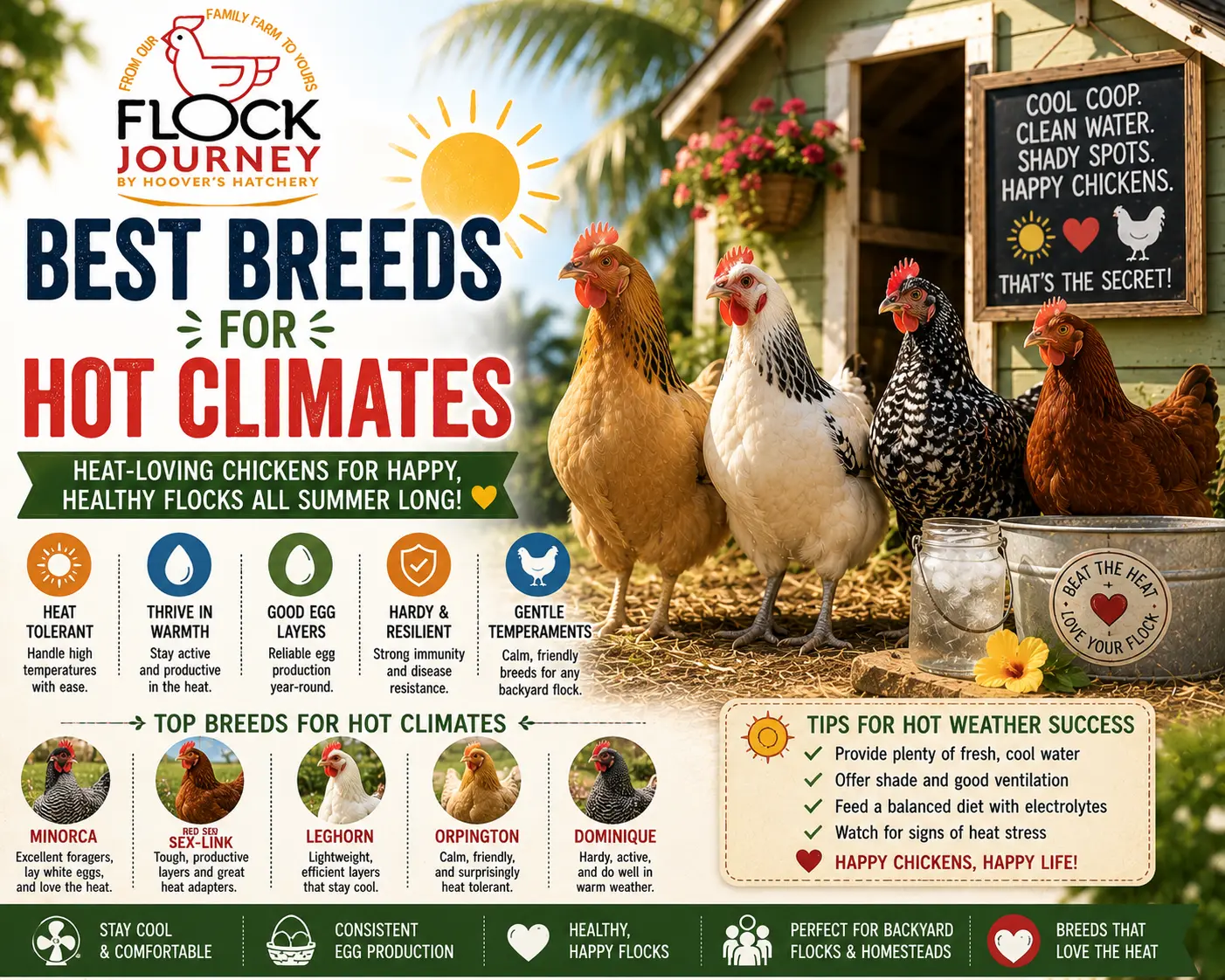
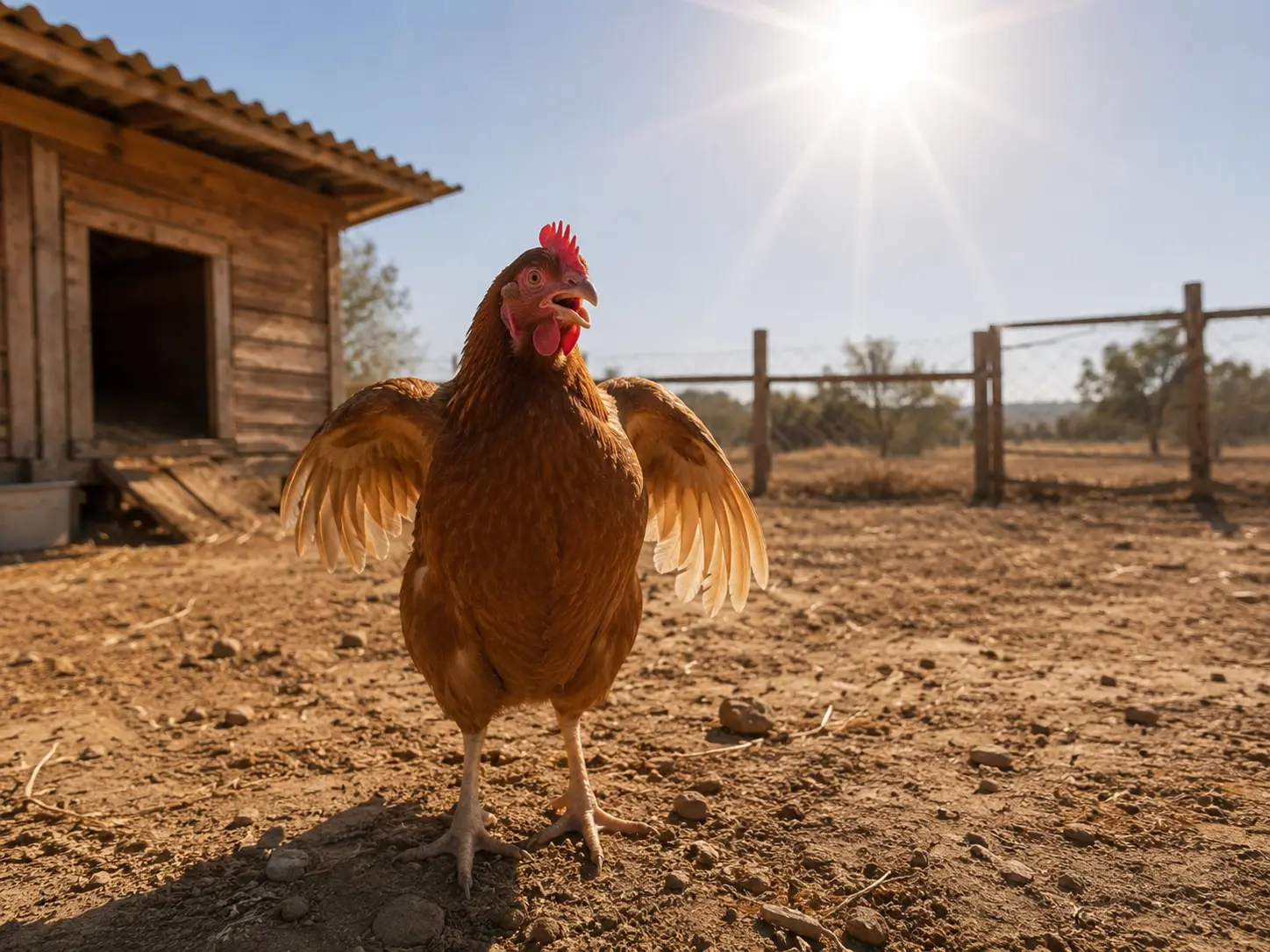
Summer’s dog days can be brutal Plants droop, wildlife slips off to the shade, and people retreat into air-conditioned comfort But what about the chickens out in the coop? If you are searching for the best chicken breeds for hot climates, the good news is that some birds handle scorching weather far better than others, and a few smart management habits can keep your whole flock comfortable when the mercury climbs Choosing wisely now means fewer heat scares later
How Hens Make Eggs: The Journey from Ovary to Nest
The delightful fragrance of sizzling bacon fills the kitchen as freshly cracked eggs plop into the frying pan Along with whole wheat toast topped with English marmalade, few breakfasts are more delicious than eggs fresh from the backyard coop
Before those eggs enter the pan, they’ve undergone a remarkable journey that starts in the hen’s ovary
When a female chicken hatches she has two ovaries but one gradually shrinks and becomes unfunctional The other gradually matures to generate all the eggs she’ll lay When she’s about 20 weeks old, give or take
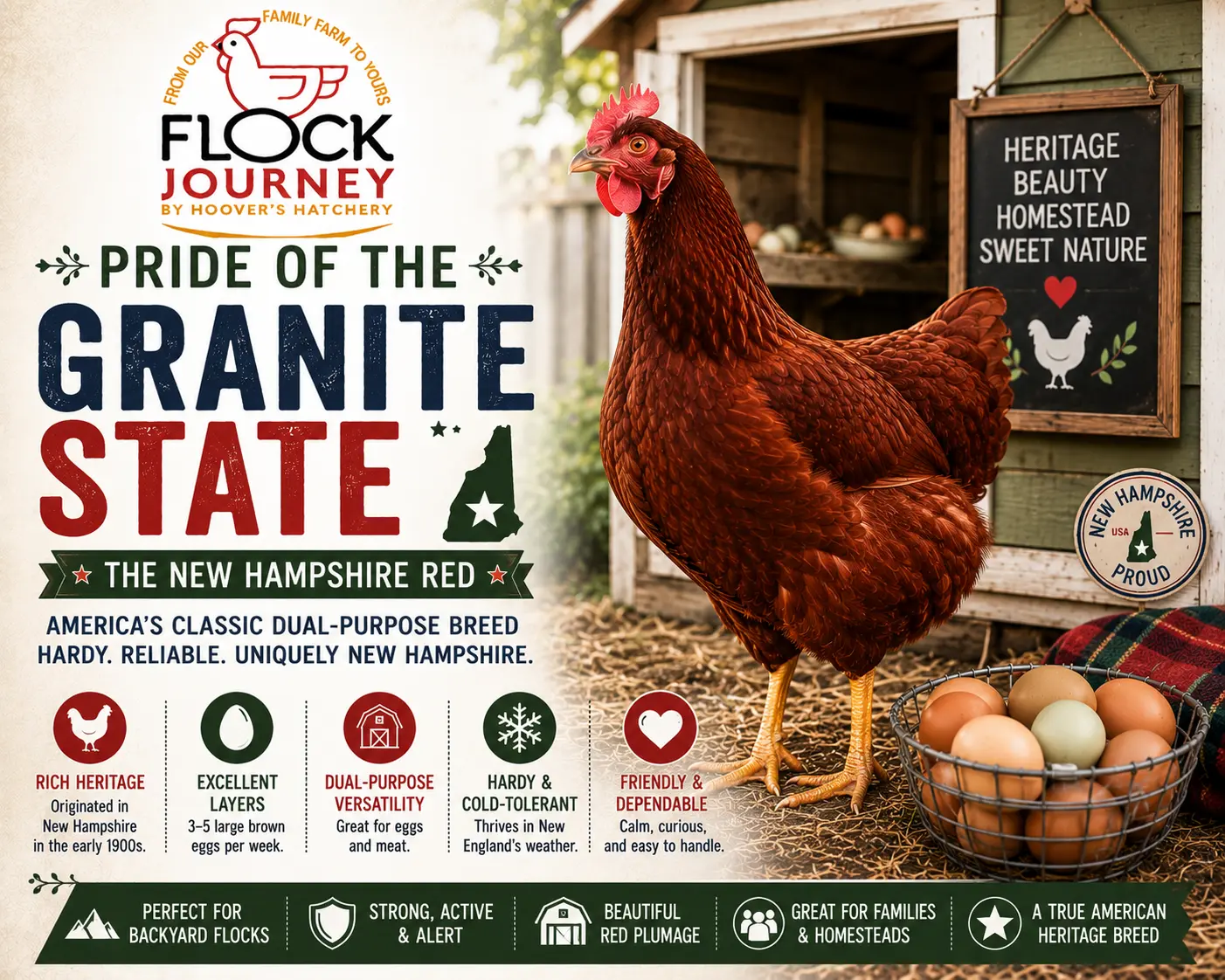
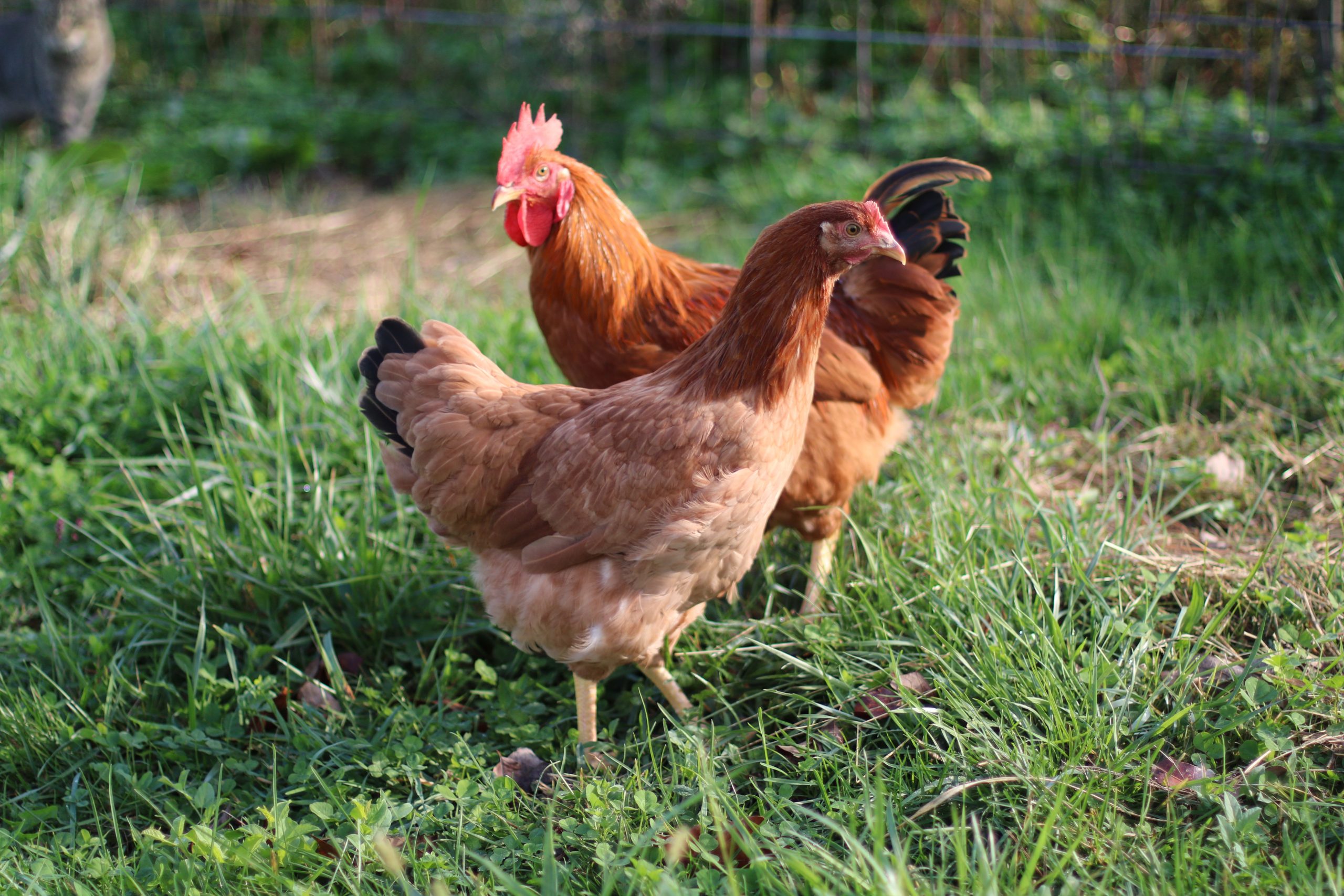
Ask a longtime baseball manager which player matters most and you will often hear the same answer: the utility player Rarely the flashy media star, a utility player is the flexible athlete who can step into almost any position at a moment’s notice and still get the job done In the world of backyard poultry, the New Hampshire Red is that utility player It may not be the single best layer, the fastest broiler, or the most striking show bird, but it does all of those jobs well, and that all-around reliability has made it a backyard favorite for
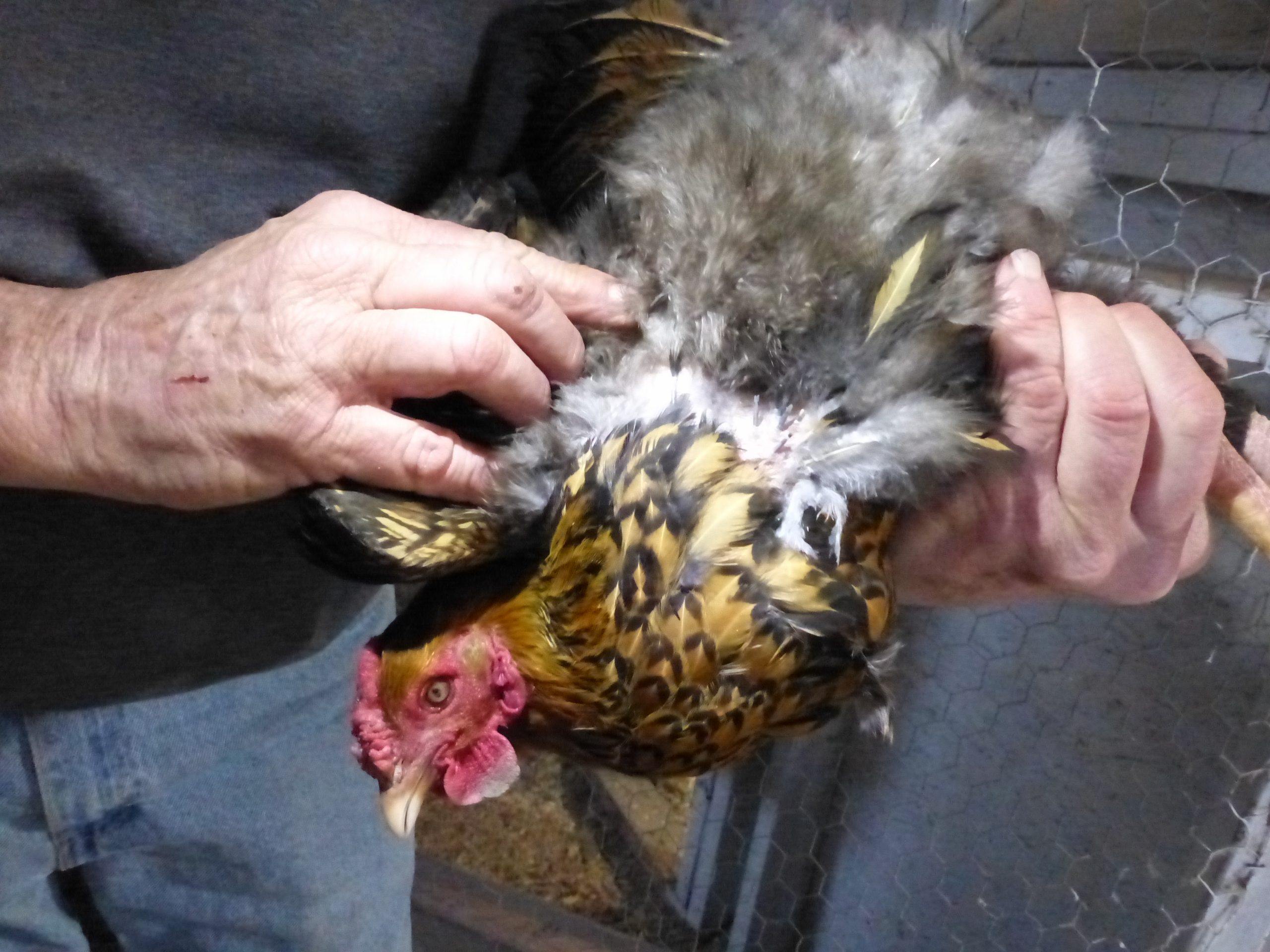
Late winter It is cold Why in the world are my hens losing their feathers when they need every single one to keep toasty warm? Feather loss could be caused by age, molting, crowding, brooding, an overactive rooster or, gulp, lice or mites
Just before they begin laying, hens that hatched four or five months earlier look like they just stepped out of a chicken spa Their feathery wardrobe is gorgeous and covers everything but their legs, feet, and heads Then life’s stresses begin taking a toll After months of laying, patches of feathers disappear revealing reddish bare skin Although
What to Do With Frozen Eggs and When to Freeze Them
You come home from a long winter day at work or school and visit the coop to collect the day’s eggs They’re cold Really cold with hairline cracks in some of their shells That’s not surprising Those eggs have been sitting in the nest for hours on a subzero day
Egg whites and yolks contain plenty of water but are loaded with dissolved solids These lower the egg freezing point to about 29 degrees Eggs rarely freeze in moderately cold weather but if the temperature drops
Dust and chickens go together like macaroni and cheese Flock Owners know their hens produce eggs for the kitchen and manure to make garden vegetables thrive A less recognized and valued hen byproduct is dust It needs to be managed
According to Dr Susan Lamont, Iowa State University CF Curtis Distinguished Professor of Agriculture and Life Sciences, dust comes when chickens shed dead skin and from material shed from the base of the feather shafts It’s called dander Other dust may originate from litter and feed
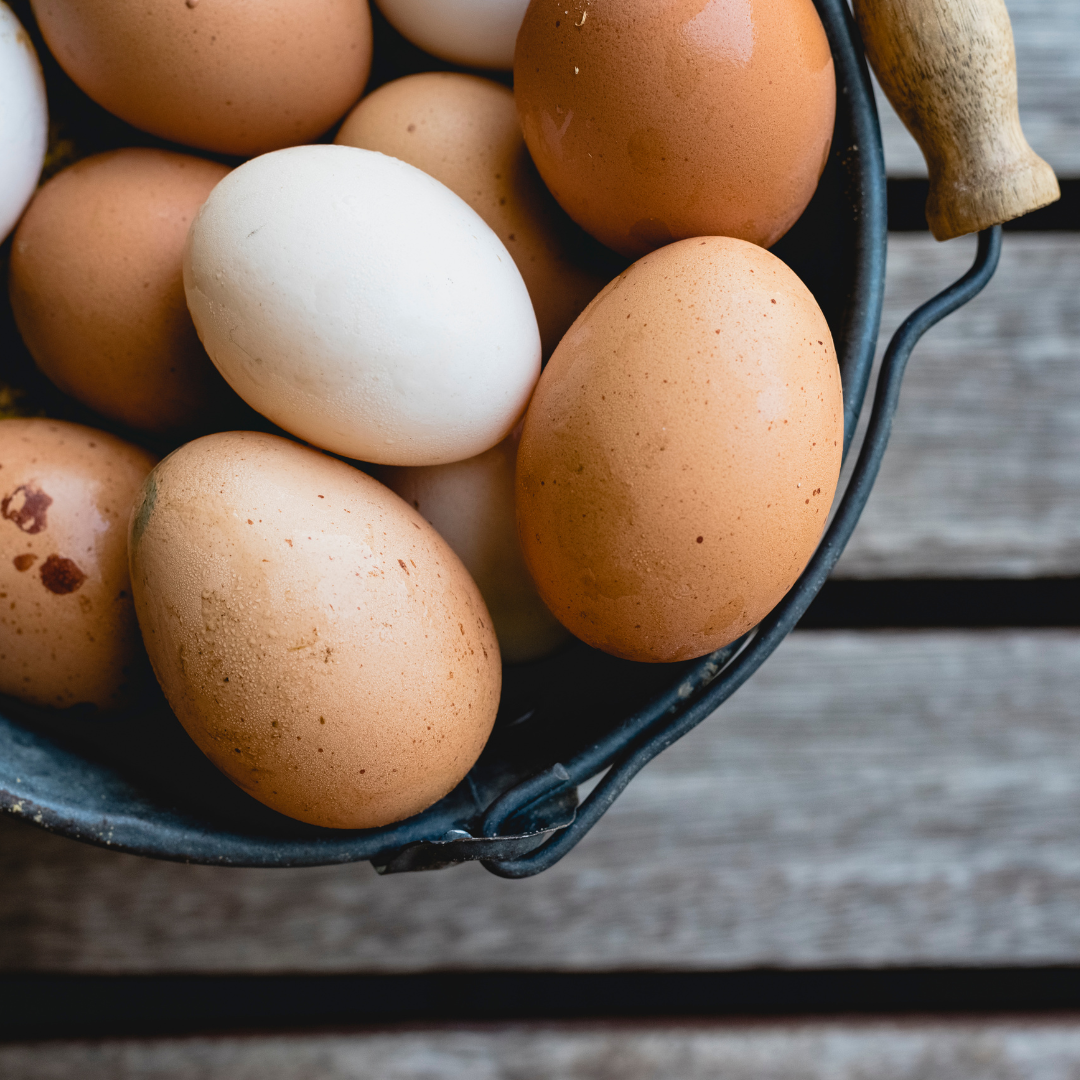
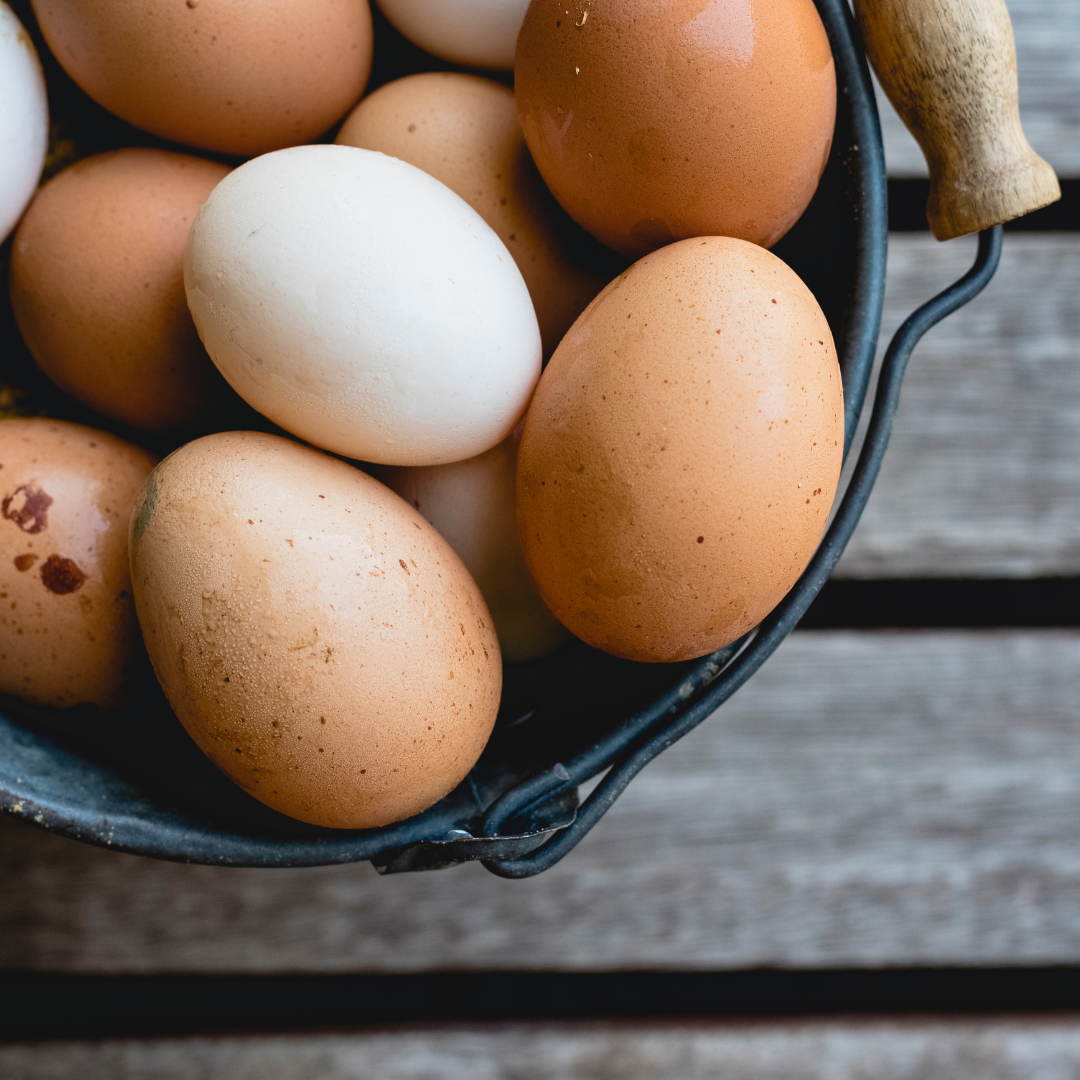
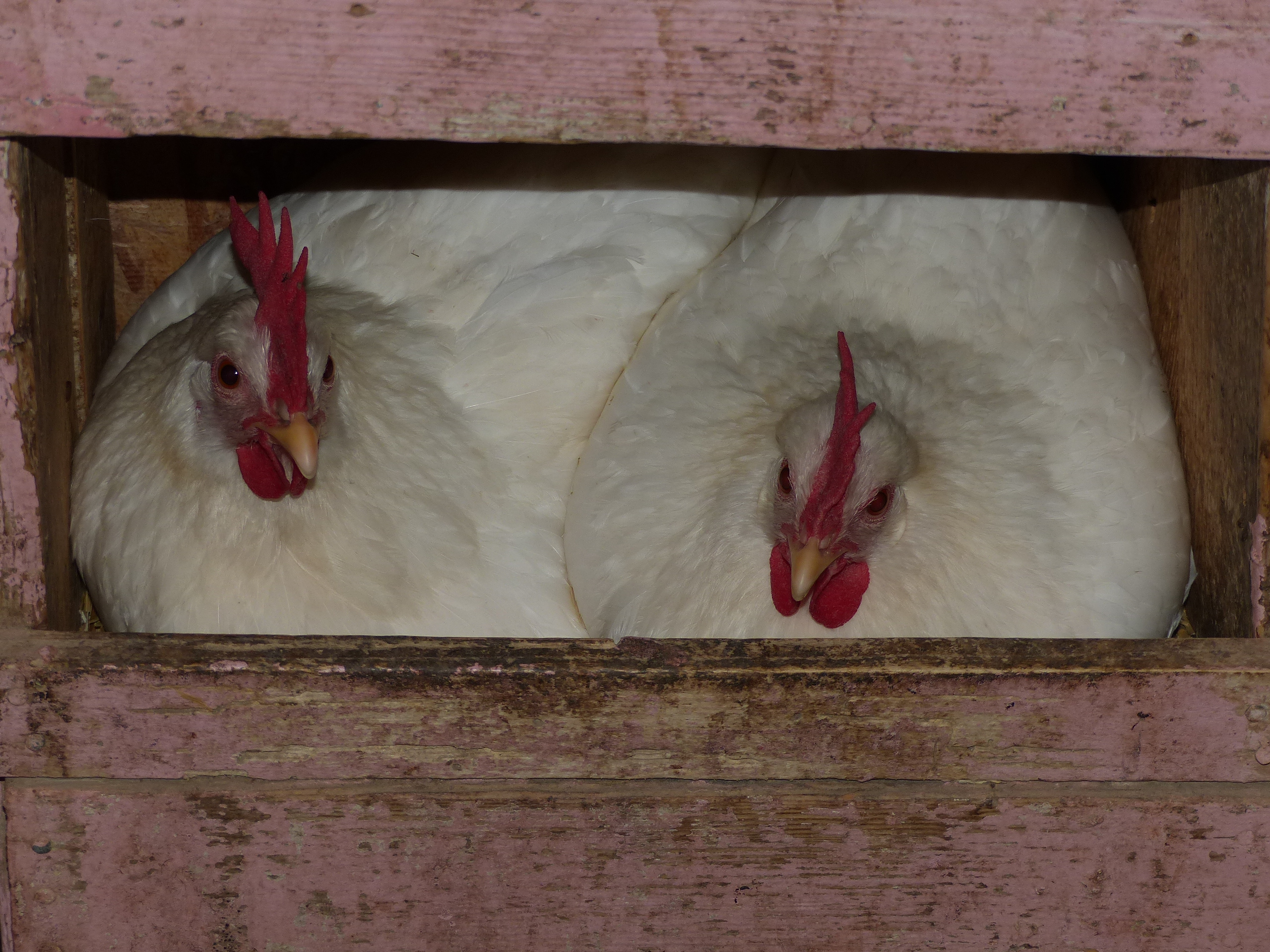
Perhaps the greatest joy that comes from keeping backyard chickens is the wonderful gifts hens leave in their nests Some are huge Others are small One may be long and skinny, while others are nearly round They might have light or dark brown, white, or even blue or green shells An occasional one may sport speckles Those eggs are beautiful, diverse, fresh and nutritious
Providing clean, safe and comfortable nests encourages hens to lay where eggs are easy to collect That involves putting enough nests in the right places and collecting eggs often