Years ago, on a visit to Hoover’s Hatchery, we spotted a bumper sticker that read, “Yep, I talk to my CHICKENS.” It made us laugh, and then it made us think. So we will ask the question plainly: Can chickens be pets? The short answer is yes. Plenty of backyard keepers treat their birds like cherished members of the family, and the birds often seem to return the affection. Whether a chicken counts as a true pet, though, depends a lot on your perspective and the kind of relationship you build with your flock.
New to backyard chickens?
FlockJourney is your go-to resource for flock care, breed guides, and poultry tips straight from the experts at Hoover’s Hatchery.
Why Chickens Fit So Well into Suburban Life
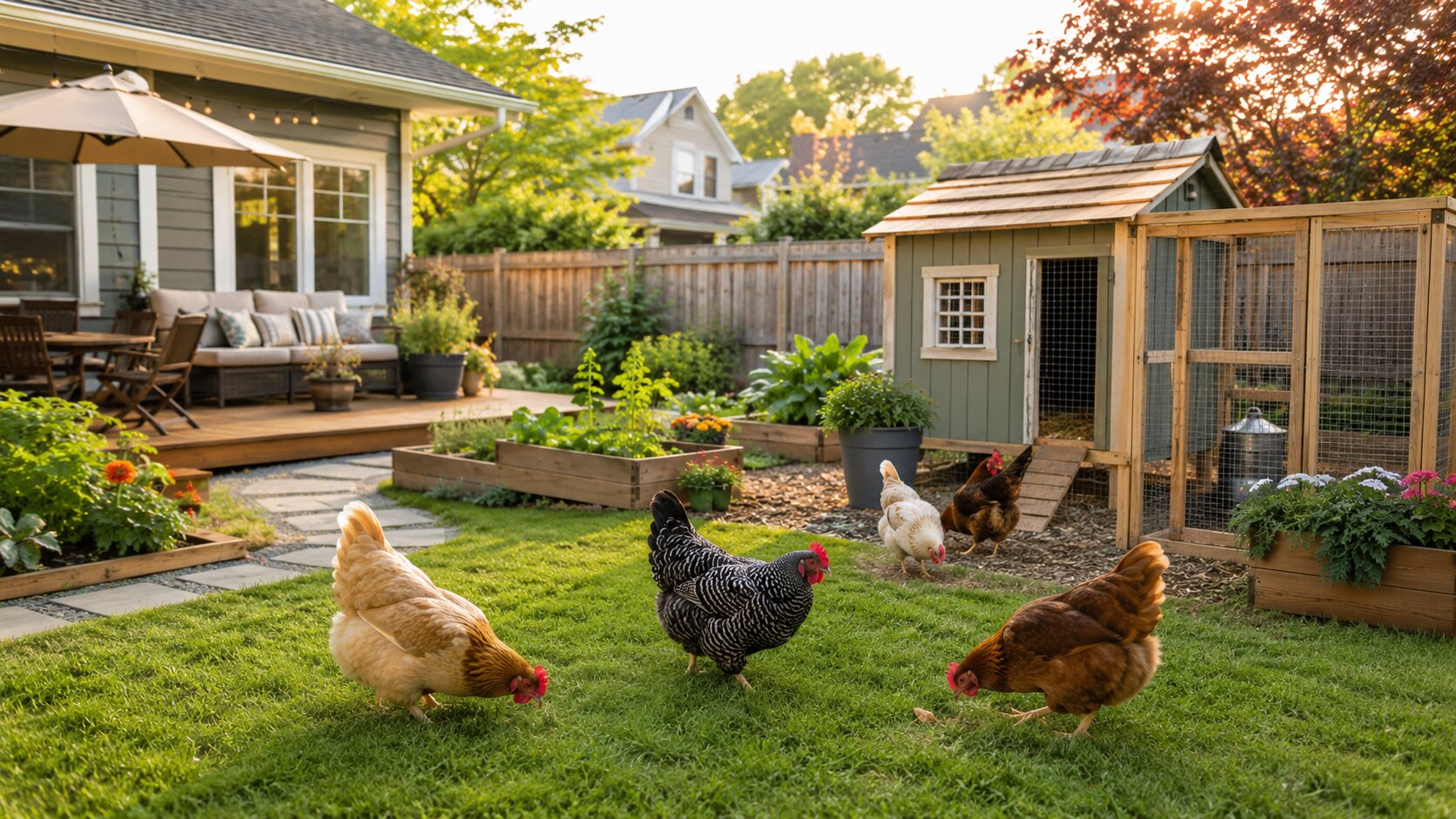
Chickens are amazing and unusual animals. With the possible exception of ducks and rabbits, they are about the only farm animals that mesh comfortably with suburban living. Most American homes sit on quarter-acre lots, and with neighbors close and yards small, families simply cannot keep sheep, cattle, or hogs. Chickens are different. A small backyard flock of three to five hens needs very little room, which is part of why they have become such popular companions in towns and cities. They happily recycle kitchen scraps and gift the family with fresh eggs in return. If you are working with a compact yard, our guide on why giving your chickens room to roam matters will help you plan a setup that keeps everyone healthy and content.
Can Chickens Be Pets, or Are They Livestock?
This is where perspective comes in. Huge commercial egg and broiler operations see chickens as, essentially, industrial animals that efficiently convert feed into eggs and meat to be sold at a profit. At the other end of the spectrum, some people make genuine pets of a single chicken or a whole flock. We have heard of a woman living in a New York City apartment who takes her chicken for walks on a leash, complete with a tiny diaper to keep the sidewalk clean. That is an extreme example, but it proves a point. If a dog, cat, bunny, guinea pig, goldfish, or canary can be a pet, why not a chicken? These birds are intelligent, they typically live eight to ten years, and they often seem genuinely fond of the people who care for them.
Are Chickens Actually Affectionate and Smart?
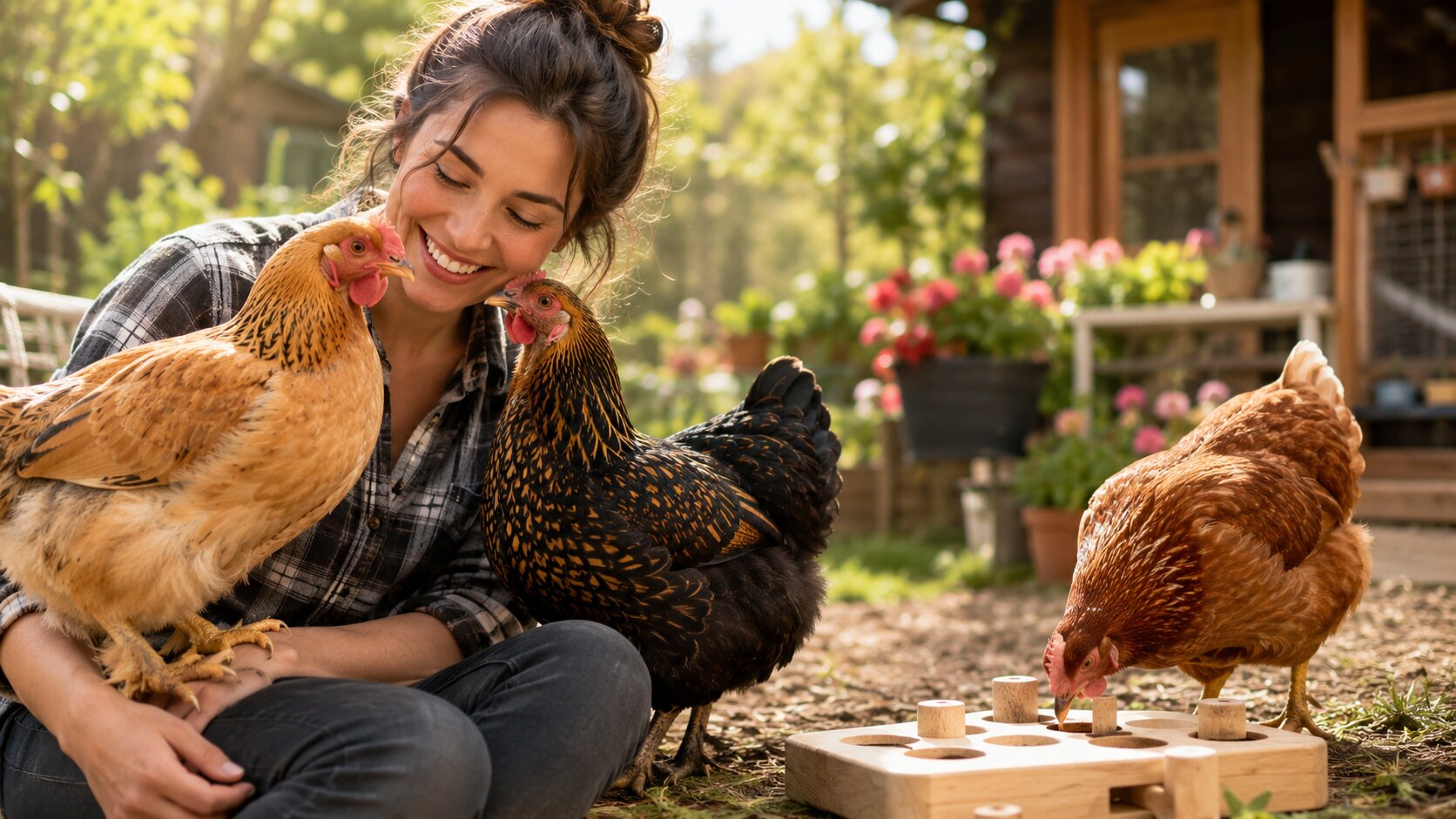
People who have never kept poultry are often surprised by how much personality a hen has. Research into chicken behavior shows that they recognize faces, communicate with more than two dozen distinct vocalizations, and can even learn their names. Our own flock at Winding Pathways falls somewhere between pets and production. We take good care of them, and we know they recognize us when we walk into the coop. Every morning we say, “Good morning, girls,” as we open the pop hole door, and when we gather eggs we say, “Thanks.” Every day, we toss them a handful of sunflower seeds or mealworms as a treat. Chickens cannot smile, but if they could, we are certain ours would. If you are curious about keeping birds in a smaller footprint, our piece on raising urban chickens covers what city and suburban flock keepers need to know.
Not sure which breed is right for you?
Browse our complete breed guides to find the perfect match for your flock goals, climate, and lifestyle.
Finding the Balance Between Pet and Producer
For many keepers, the honest answer lands somewhere in the middle. We do not consider our birds pets in the strictest sense. Our Hoover’s Hatchery contact, Kelsey Spotts, grew up on an Iowa farm and put it well. “I often liked our calves and was sad when they went to market,” she said, “but our family never gave names to any animal we might eat or sell.” That is close to how we feel. Our chickens are faithful companions. We like them, and we hope they like us. We give our birds a safe home and good food, and every few years, it is time to replace older hens with younger, more productive ones. It is sad but necessary to see our faithful layers go.
We do not give individual birds names, but we can identify them by breed. A dinner conversation at our house might begin, “The Barred Rock did the silliest thing today.” Calm, hardy dual-purpose breeds tend to make the best companions, which is why families so often start with gentle birds like the Barred Plymouth Rock or the famously docile Buff Orpington. Both are friendly, forgiving of beginner mistakes, and steady producers of brown eggs, which makes them ideal for households that want birds that are equal parts companion and contributor.
Choosing the Right Breed for a Pet Flock
If your main goal is a friendly, hands-on flock, temperament matters more than egg color or output. According to poultry keepers, the calmest and most people-oriented breeds usually include Orpingtons, Plymouth Rocks, Wyandottes, and Cochins. These birds tolerate handling well, rarely turn flighty, and adapt nicely to family life. Children especially benefit from gentle breeds, and chickens can teach kids real lessons in responsibility and empathy. Our article on how chickens and kids make a perfect backyard team is a great place to start if little ones will be helping with the flock. When you are ready to bring birds home, you can browse healthy, vaccinated baby chicks from Hoover’s Hatchery in more than 200 breeds.
Frequently Asked Questions
Do chickens make good pets?
Yes, chickens can make wonderful pets. They are intelligent, recognize their caretakers, and often show what looks like genuine affection. Gentle, calm breeds adapt especially well to family life and tolerate regular handling, which makes them a rewarding choice for households of all sizes.
How long do pet chickens live?
Most backyard chickens live eight to ten years with good care, though some can live longer. Hens lay the most eggs during their first two to three years, but they remain friendly companions well past their peak production. Providing a safe coop, quality feed, and protection from predators all support a long, healthy life.
Are chickens affectionate toward people?
Many chickens form clear bonds with the people who feed and care for them. They will learn your voice, come running for treats, and some even enjoy being held or sitting nearby. Affection varies by breed, and by how much time you spend with your birds, so frequent gentle handling from a young age helps a lot.
Which chicken breeds are best for pets?
Calm, docile, dual-purpose breeds tend to make the best pets. Buff Orpingtons, Barred Plymouth Rocks, Wyandottes, and Cochins are consistently popular for their friendly temperaments and tolerance of handling. These breeds are forgiving of beginner mistakes and work well in family settings with children.
Can you keep chickens as pets in a suburban backyard?
In most cases, yes, though you should always check your local ordinances first. Many suburban areas allow a small flock of hens, often with a limit on numbers and a ban on roosters because of noise. Chickens need very little space compared to other livestock, which makes them one of the few farm animals that fit well into suburban life.
So, can chickens be pets? Absolutely. They can form a production flock of thousands of birds kept solely to produce food, or, like our flock, they can be productive and respected companions that live somewhere between pet and helper. There is no single right way to keep chickens, and any of these relationships is perfectly fine. What matters is that your birds are safe, well fed, and cared for by someone who appreciates just how clever and charming a chicken can be.
Ready to start your flock?
Hoover’s Hatchery ships healthy, vaccinated chicks straight to your door from hatcheries across the US. Over 200 breeds available, including gentle favorites perfect for a pet flock.