Every so often, a woman is spotted on a New York City sidewalk, leash in hand, walking a chicken. Ask her whether chickens make good pets and you’ll get an enthusiastic yes. Her hen lives with her in her apartment. Ask the same question of a family raising batch after batch of Cornish Rock broilers for the grill, and you’ll get an equally firm no, because to them chickens are food animals. The truth, for most people, sits somewhere in between. So do chickens make good pets? The honest answer is that they can, for the right person, with some real caveats worth understanding first.
New to backyard chickens?
FlockJourney is your go-to resource for flock care, breed guides, and poultry tips straight from the experts at Hoover’s Hatchery.
The In-Between Reality of Backyard Hens
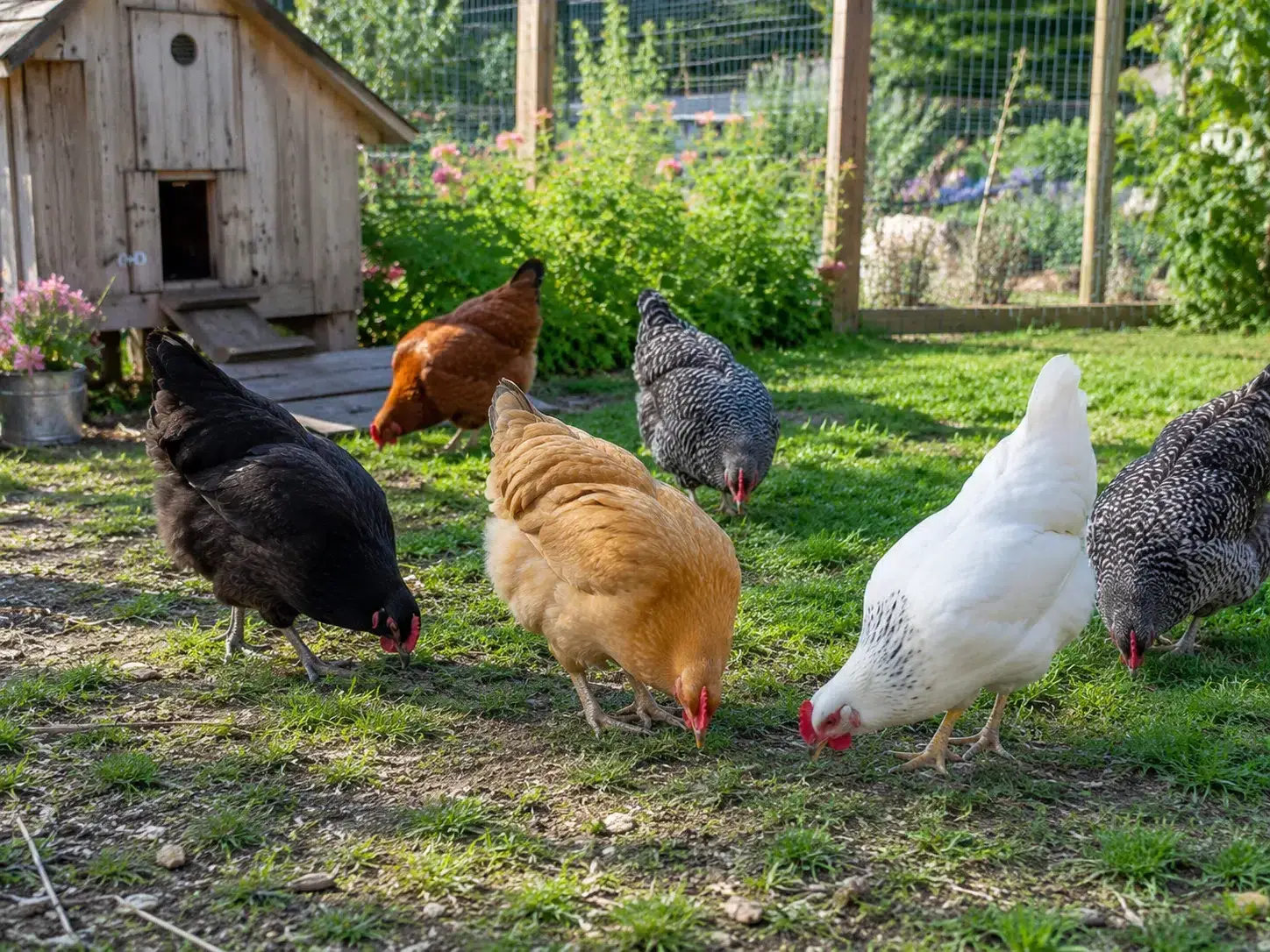
Most families who keep a small backyard flock land in the middle ground. Their hens live in a coop detached from the house. They produce delicious eggs and are genuinely fun to watch, chasing a grasshopper across the run or hopping proudly off the nest after laying an egg as precious as a jewel. Bring a few table scraps out and they’ll come running with real enthusiasm.
These birds aren’t pets in the way the family dog or cat is, but they’re easy to grow fond of, and they’re hard to dismiss as mere raw material for an omelet. Plenty of families name their hens and keep them long after they’ve grown too old to lay efficiently. Pet-like, certainly. Just usually not cuddled or brought indoors.
People who run backyard chicken workshops see this dynamic play out constantly. Educators like Rebecca Mumaw, who has taught many family chicken workshops, note that most adults come to keeping hens for the eggs and garden fertilizer, while their children tend to view the birds much more as pets. Kelli Kennon-Lane, who organizes backyard chicken workshops at the Indian Creek Nature Center, sees the same split: parents focused on egg production and sustainability, kids attaching far more sentimental value to the flock. Both educators emphasize the same practical habit, that everyone should wash their hands after being around chickens and keep their mouths away from feathers.
Why Chickens Actually Do Well as Pets
People make pets of turtles, snakes, goldfish, tarantulas, even giant Madagascar hissing cockroaches. Years ago, pet rocks were a craze. Against that backdrop, a chicken has some real advantages. Chickens are warm-blooded, colorful, and intelligent enough to learn to come for treats and even recognize one person from another.
They’re also surprisingly long-lived. Given good nutrition and safe housing, a chicken can live a dozen years or more, a lifespan similar to dogs, cats, and domestic rabbits. That combination of intelligence, personality, and longevity is exactly why some people happily make pets of them, provided they’re willing to go beyond the care and sanitation most other animals require. Some devoted keepers even use special chicken diapers to keep indoor floors clean.
Best Chicken Breeds for Pets
Just like dogs and cats, chickens are diverse and have individual personalities, and some breeds suit the pet role far better than others. The best pet chickens are the calm, docile, ground-hugging breeds. Fluffy, mellow birds tend to be curious and sometimes seem almost affectionate, and because they don’t fly well, they’re easy to manage in a yard.
Top picks for pet-friendly temperament include:
- Silkies, famously fluffy, gentle, and a favorite with children
- Cochins, calm, feather-legged, and easygoing
- Brahmas, big, mellow gentle giants
- Orpingtons, soft, friendly, and famously docile
These contrast sharply with high-strung breeds like Leghorns and Minorcas and other flighty white-egg layers, which are excellent producers but far less inclined to sit still for affection. Anyone seriously considering a pet chicken should stick with the calm breeds. For help matching a bird to your goals, see our guide to choosing the best breeds for backyard flocks.
Not sure which breed is right for you?
Browse our complete breed guides to find the perfect match for your flock goals, climate, and lifestyle.
The Real Downsides of Keeping Chickens Indoors
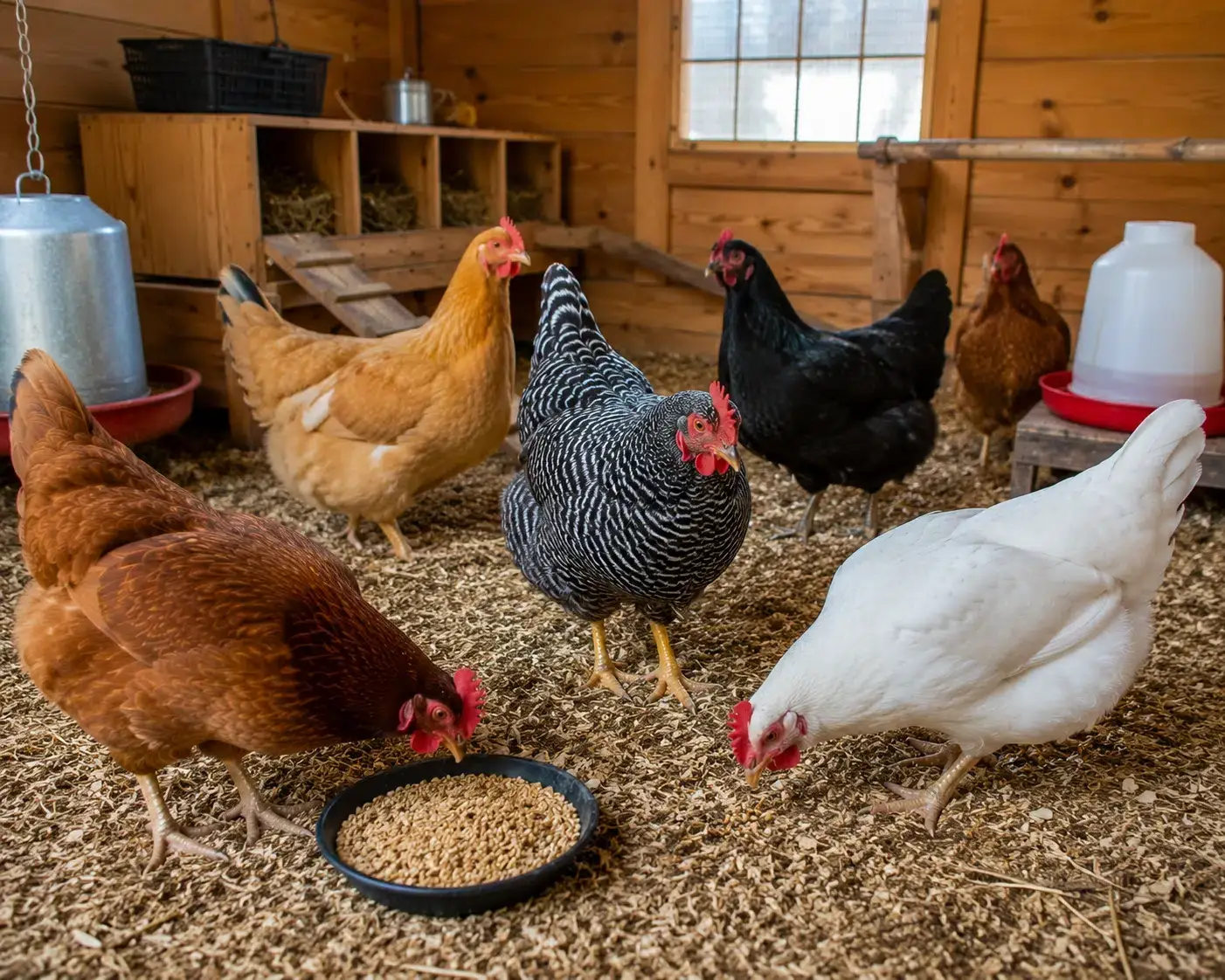
For all their charm, there are compelling reasons other animals make more practical house pets. The most obvious one: chickens cannot be housebroken. A hen drops a lump of nitrogen-rich fertilizer whenever nature calls, and that could just as easily be on the living room carpet or the kitchen counter as anywhere else. Chicken diapers exist, but changing them is nobody’s idea of a good time.
And what’s in that diaper points to the more serious issue, which deserves honest attention.
The Salmonella Question: What You Need to Know
Salmonella is a serious illness caused by bacteria carried by a host of animals. Chickens, and especially baby chicks, can sometimes spread salmonella to humans. Dogs, cats, and hamsters can transmit it too, but birds and reptiles tend to carry a higher risk. This is the single biggest reason experts urge caution about bringing chickens indoors.
Health authorities including the CDC publish detailed guidance on avoiding salmonella from backyard poultry, and Hoover’s Hatchery includes a full page of salmonella information in its catalog and resource guide. Among the key recommendations:
- Never allow chickens inside the home.
- Avoid direct contact between birds and the most vulnerable people: children age five and younger, the elderly, and anyone with a compromised immune system.
- Always wash hands thoroughly after handling chickens, chicks, eggs, litter, feeders, waterers, or anything else the birds touch.
Children naturally want to cuddle chicks and hens, and that instinct is exactly where illness can start, so supervision and hand-washing matter most with kids. This risk is especially worth understanding when raising chicks, which our guide to caring for baby chicks touches on alongside their other early needs. None of this means chickens are dangerous, only that they call for a level of sanitation beyond what most pets require.
So, Should You Keep a Pet Chicken?
There’s honest disagreement about whether chickens truly make good pets, but the experts agree completely on one point: whether you’re keeping a single house chicken, a small backyard laying flock, or running a large broiler operation, careful sanitation and thorough hand-washing before eating are non-negotiable.
If you’re drawn to the idea, go in clear-eyed. Choose a calm breed, keep the birds out of the house, wash up religiously, and protect the youngest and most vulnerable members of your household. Do that, and a chicken can be a colorful, clever, long-lived companion that comes running the moment it sees you. For most families, the sweet spot is exactly where the backyard flock already lives: pet-like, deeply enjoyed, and healthily kept at a respectful arm’s length. If community and connection are part of the appeal, our look at building a rainbow flock shows just how much personality a small backyard group can have.
Frequently Asked Questions
Do chickens make good pets?
Chickens can make good pets for the right person. They are intelligent, colorful, and long-lived, and they learn to recognize their keepers and come running for treats. The main caveats are that they cannot be housebroken and can carry salmonella, so experts recommend keeping them out of the home and practicing careful sanitation.
What are the best chicken breeds to keep as pets?
The calmest, most docile breeds make the best pets, including Silkies, Cochins, Brahmas, and Orpingtons. These fluffy, ground-hugging birds tend to be gentle and even affectionate. Avoid high-strung breeds like Leghorns and Minorcas if a friendly temperament is your priority.
How long do pet chickens live?
With good nutrition and safe housing, a chicken can live a dozen years or more, a lifespan similar to dogs, cats, and domestic rabbits. Keeping a chicken as a pet is therefore a genuine long-term commitment. Calm breeds kept in safe, clean conditions tend to do best over the long haul.
Can you keep a chicken indoors?
Some people do, using special chicken diapers to manage the mess, but health experts and the CDC recommend against it. Chickens cannot be housebroken and can spread salmonella, which is a particular risk for young children, the elderly, and immunocompromised people. Most keepers house their birds in an outdoor coop instead.
Can you get salmonella from pet chickens?
Yes, chickens and especially baby chicks can spread salmonella to people. To reduce the risk, never allow chickens in the home, avoid direct contact between birds and children five and under, the elderly, or immunocompromised people, and always wash your hands after handling chickens, eggs, litter, or equipment. These simple precautions make keeping chickens much safer.
Ready to meet your future feathered friends?
Hoover’s Hatchery ships healthy, vaccinated chicks straight to your door, including calm, kid-friendly breeds like Silkies, Cochins, and Orpingtons.