Setting up a chicken coop is one of the most exciting parts of starting a backyard flock. It’s where your birds will sleep, shelter, and lay their eggs, and getting the basics right from the start makes everything easier down the road. The good news is that a great coop doesn’t have to be complicated. It comes down to a handful of essentials: enough space, clean dry bedding, reliable food and water, good nest boxes, a little enrichment, and safety from predators. Here’s a walkthrough of what to think about as you set up your chicken coop, using a real backyard coop as an example.
New to backyard chickens?
FlockJourney is your go-to resource for flock care, breed guides, and poultry tips straight from the experts at Hoover’s Hatchery.
Start With Size and Space
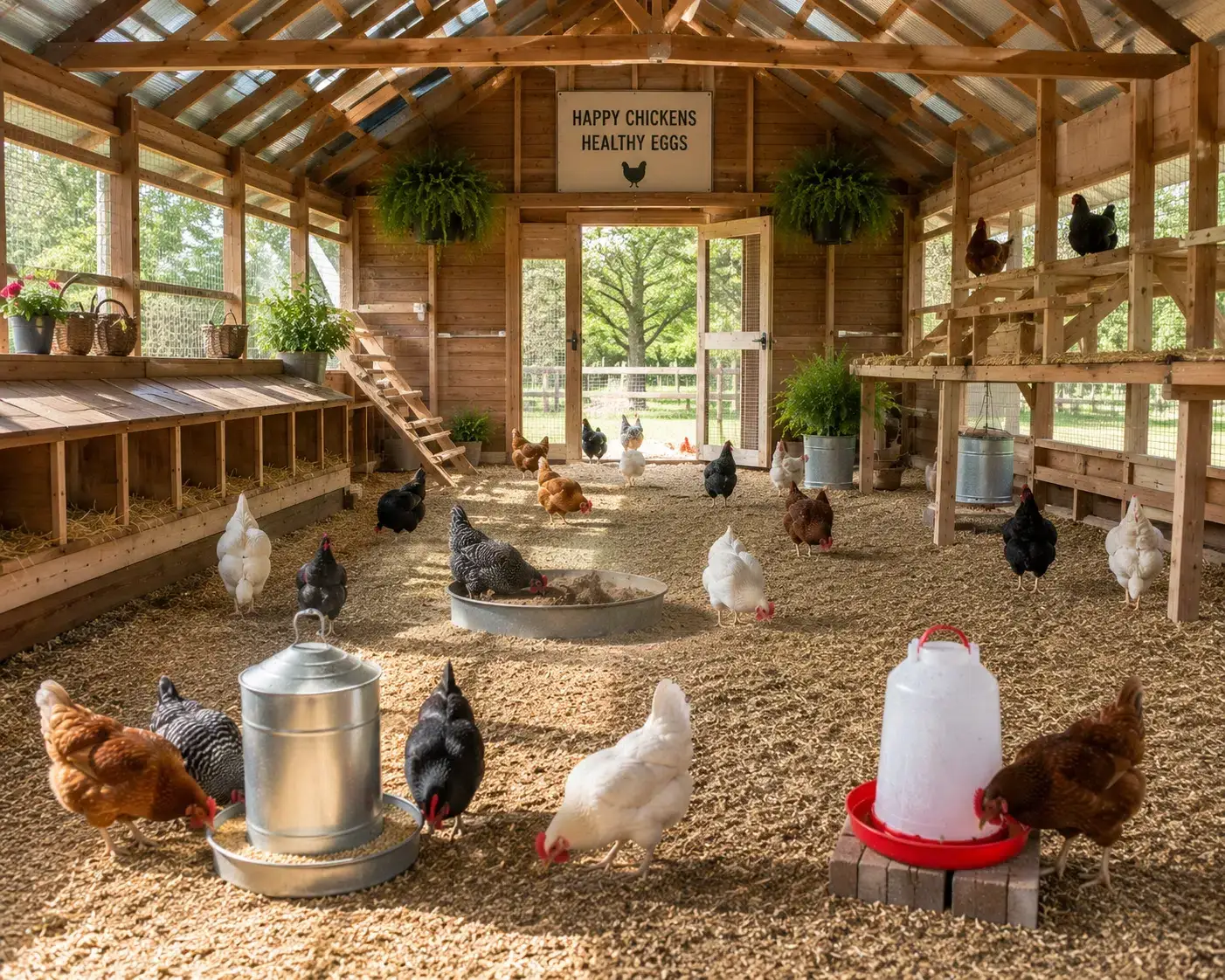
The single most important factor in a healthy coop is having enough room. Crowded birds are stressed birds, and overcrowding leads to squabbling, bullying, and health problems. An 8 foot by 12 foot coop, for example, comfortably suits a modest backyard flock, but the right size for you depends entirely on how many birds you plan to keep.
As a general rule, more space is always better than less. When you’re deciding on a coop size, plan for the flock you may eventually have rather than the one you’re starting with, since most keepers add birds over time. A well-built, properly sized chicken coop gives you a solid foundation to build everything else around.
Bedding: Keep It Clean and Dry
Whatever else you do, the coop floor needs to stay clean and dry, since damp, dirty bedding is where most health problems begin. Many keepers use the deep litter method, which layers bedding over time so it composts in place and generates a bit of gentle warmth, while cutting down on how often you do a full cleanout. Our guide to the deep litter method explains exactly how it works.
To keep the bedding fresh, some keepers add a coop refresher such as Coop Recuperate, which contains organic essential oils and diatomaceous earth to help control odor and extend the life of the bedding. Whatever your approach, the goal is the same: a floor so clean and dry you wouldn’t mind sitting on it.
Food, Water, and Optional Heat
Reliable food and water are non-negotiable. Hanging feeders and waterers are popular because they keep feed and water up off the floor, which cuts down on the bedding and droppings your birds kick into them. Keep both full and clean, and check them daily.
On heat, a quick word of caution. Some keepers provide an optional heat source on genuinely cold days, but most adult flocks handle cold far better than people expect, and supplemental heat carries a real fire risk if not set up carefully. Before adding any heat, read our guide to keeping the coop warm safely in winter, which explains why a dry, draft-free coop usually matters more than added heat.
Not sure which breed is right for you?
Browse our complete breed guides to find the perfect match for your flock goals, climate, and lifestyle.
Nest Boxes: Clean, Dry, and Private
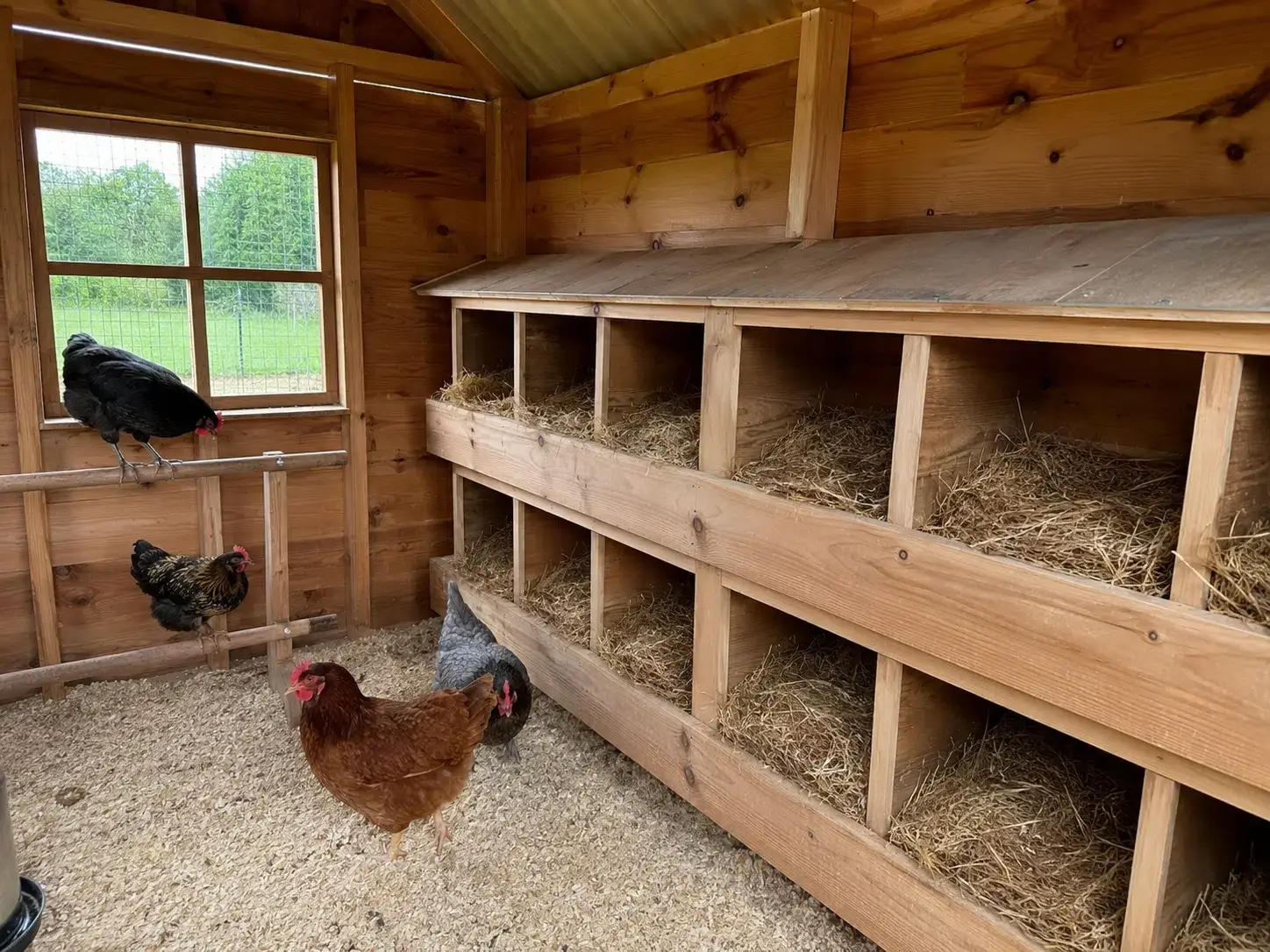
Once your hens approach laying age, they’ll need nest boxes, and there are more options than you might expect. You can buy ready-made boxes, build your own, or improvise with something as simple and creative as a five-gallon bucket. Some keepers love roll-out designs that keep eggs cleaner by letting them roll gently away after laying.
Whatever style you choose, hens really only care about three things: the boxes should be clean, dry, and somewhat private. Meet those and your birds will happily use them. Our guide to nest box know-how covers sizing, placement, and how to encourage hens to lay where you want them to. The best advice is to research your options, then make it your own.
Enrichment: Keep Boredom at Bay
Bored chickens develop bad habits, including feather picking and other nuisance behaviors, so a little enrichment goes a long way. Simple additions keep a flock happily occupied:
- Basic bird toys. Inexpensive toys are a hit, and you may find one hen claims them all and runs off with her prizes.
- A hanging treat ball stuffed with lettuce or apple pieces gives birds something to work at.
- A cabbage on a string that hens can bat around doubles as a snack and a toy.
For more ideas on treats that double as entertainment, see our guide to food treats your chickens will love.
Plan for a Safe Run
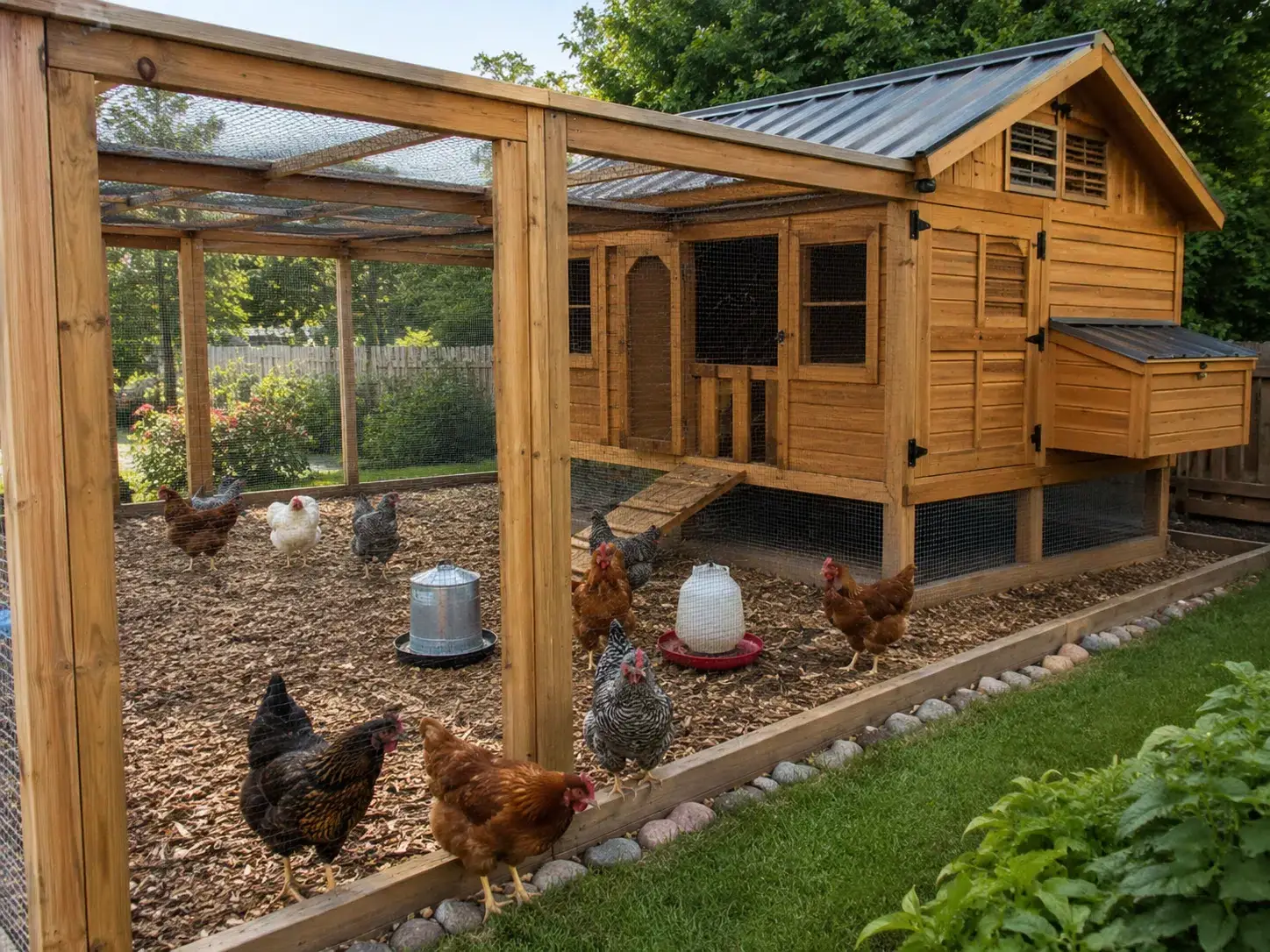
A run gives your flock room to roam, scratch, and forage beyond the coop walls, and it’s worth planning even if you add it later. The key is balancing freedom with safety. Birds love space to explore, but an open yard leaves them exposed to predators, so an enclosed run lets them roam while staying protected.
This matters especially if you live near woods, water, or parkland with abundant wildlife, where hawks, foxes, raccoons, and other predators are a constant presence. A secure, enclosed run is the answer, giving birds freedom of movement without leaving them vulnerable. Our guide to protecting your backyard flock from predators covers how to build that security in.
Make It Your Own
Once the essentials are handled, there’s room for fun. Plenty of keepers enjoy decorating the coop with cute signs and personal touches, and there are some genuinely creative ones out there. It won’t matter to your hens, but it makes the space more enjoyable for you, and you’ll be spending a lot of time out there. One of the quiet joys of coop life is watching your birds develop distinct personalities and physical differences, so that within a few weeks you can tell every one of them apart, and most keepers find themselves with a favorite before long.
Frequently Asked Questions
How much space do chickens need in a coop?
More is always better, and the right coop size depends on your flock size. As a reference point, an 8 foot by 12 foot coop comfortably suits a modest backyard flock. Overcrowding causes stress, bullying, and health issues, so plan for the flock you may eventually have rather than just the birds you start with.
What do you put on the floor of a chicken coop?
Clean, dry bedding is essential, and many keepers use the deep litter method, which layers bedding so it composts in place, provides gentle warmth, and reduces cleanout frequency. Pine shavings are a common base. Keeping the floor clean and dry is one of the most important things you can do for flock health.
What makes a good nest box?
Hens mainly want nest boxes that are clean, dry, and somewhat private. Beyond that, you have many options, from purchased boxes to homemade ones to a simple five-gallon bucket, and roll-out designs help keep eggs clean. Research the styles and choose what fits your flock and space.
Do chickens need toys in the coop?
Enrichment helps prevent boredom, which can lead to feather picking and other bad behaviors. Simple bird toys, a hanging treat ball filled with lettuce or apple, or a cabbage on a string all keep a flock happily occupied. These are inexpensive and easy additions that meaningfully improve flock wellbeing.
Do backyard chickens need a run?
A run is highly recommended, since it gives birds room to roam, scratch, and forage while keeping them safe from predators. This is especially important if you live near woods, water, or parkland with lots of wildlife. An enclosed run balances the birds’ freedom with their protection.
Setting up a chicken coop is genuinely exciting, and it doesn’t need to be daunting. Nail the essentials, enough space, clean dry bedding, dependable food and water, good nest boxes, a bit of enrichment, and a safe run, and everything else is just personal preference. Plan it out, make it your own, and get ready, because your flock will become part of the family before you know it.
Ready to set up your coop?
A secure, well-built coop is the foundation of a happy flock. Explore durable, easy-clean chicken coops from Hoover’s Hatchery, sized for backyard flocks of every kind.