If you’ve ever wondered how to spoil your flock or supplement their feed, you’re in good company. Even chickens love treats, and watching them lose their minds over half a melon is genuinely one of the great joys of keeping backyard birds. The best part? Several of the treats chickens love most are growing free in your yard right now. Here are seven food treats your chickens will love, along with the one rule that keeps treat time healthy rather than harmful.
New to backyard chickens?
FlockJourney is your go-to resource for flock care, breed guides, and poultry tips straight from the experts at Hoover’s Hatchery.
Free Treats Growing Right in Your Yard
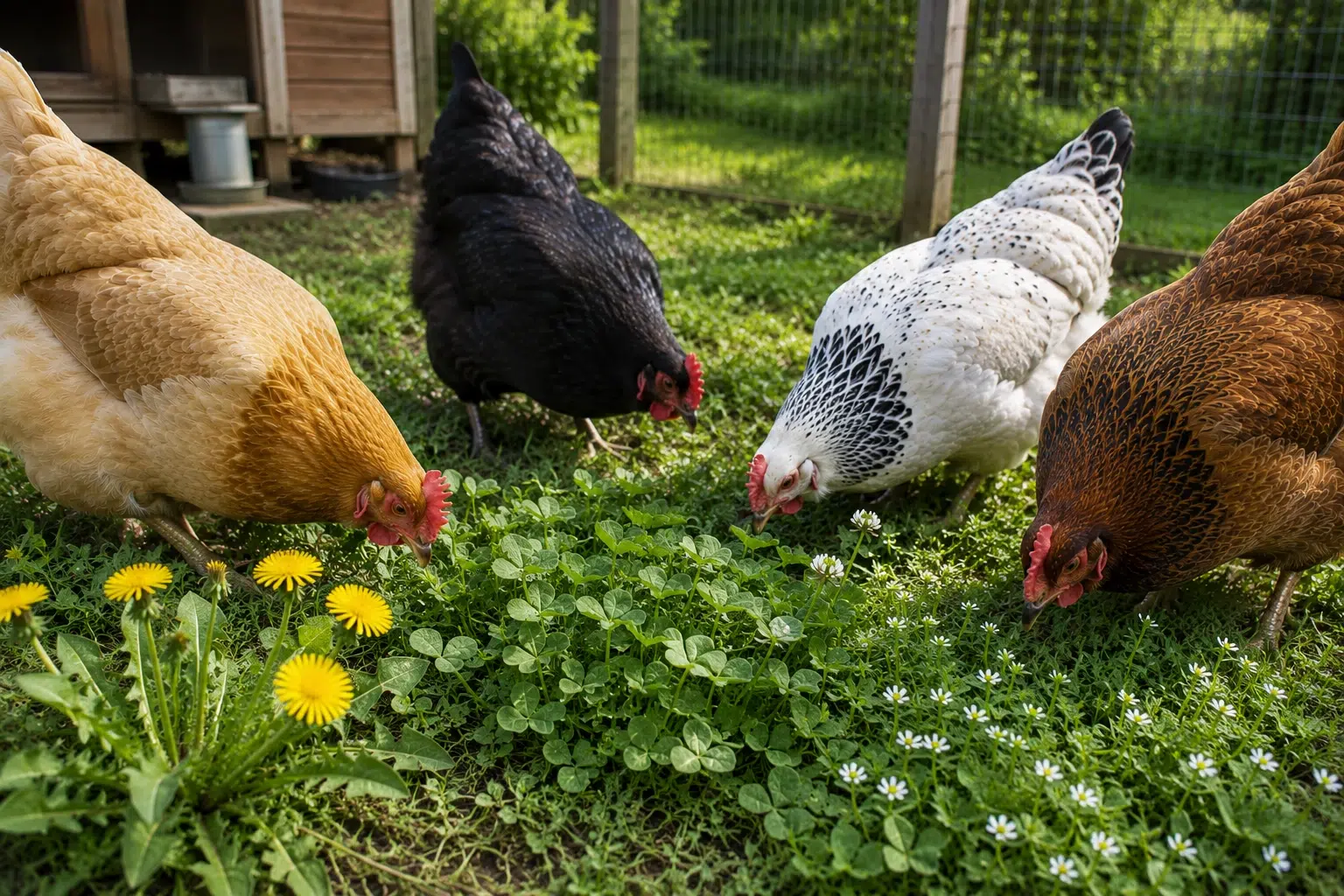
Before you spend a dollar, look out the window. Three of the best chicken treats are common yard weeds, which means you can spoil your flock and tidy the lawn in the same trip.
1. Dandelions. Who knew you had chicken treats sprouting in the grass? Chickens will eat the entire dandelion: roots, stem, flower, and all. The only catch is that you have to pick them first, since a hen won’t dig one up herself. If you’ve been looking for a reason to finally clear the dandelions out of your yard, here it is.
2. Clover. Another excellent treat you may already be growing. Pick a big handful, toss it in the run, and your flock will absolutely thank you for it.
3. Chickweed. The name is a bit of a giveaway. Like clover and dandelions, all it takes is picking a good bowlful and handing it over.
Important: Never feed weeds that have been sprayed. If any part of your lawn has been treated with herbicide or pesticide, leave those plants alone. This applies to all three of the yard treats above.
If your flock loves greens this much, it’s worth growing them on purpose. A vegetated run keeps birds fed, keeps their feet clean, and cuts your feed bill. Our guide to managing mud and growing greens in the chicken run covers exactly how to make that work, and our gardening articles go further on blending plants and poultry.
Fruit and Veggie Favorites
4. Melon. You will genuinely be shocked at how chickens attack a melon. They love all of them, watermelon, cantaloupe, honeydew, any type really. The best approach is to hand over half a melon still on the rind and walk away. Come back later and you’ll find nothing but a thin, hollowed-out shell. It’s one of the most entertaining things you can do on a hot summer afternoon, and the water content is a nice bonus in the heat.
5. Corn on the cob. Hang a corn cob on a string from a tree in the chicken yard and watch your flock go to town. It amuses the birds and the humans in roughly equal measure. This is a perfect use for cobs that got harvested too late, or for the stripped cobs left over after you’ve cut corn off for freezing. Chickens will pick them completely clean, because they really do love corn.
6. Cabbage. Another great candidate for hanging. A suspended cabbage head is both a snack and a toy, giving your birds something to peck at and chase around. It’s a genuinely useful trick for keeping a flock entertained on days when they’re stuck in the run.
Not sure which breed is right for you?
Browse our complete breed guides to find the perfect match for your flock goals, climate, and lifestyle.
The Protein Treat
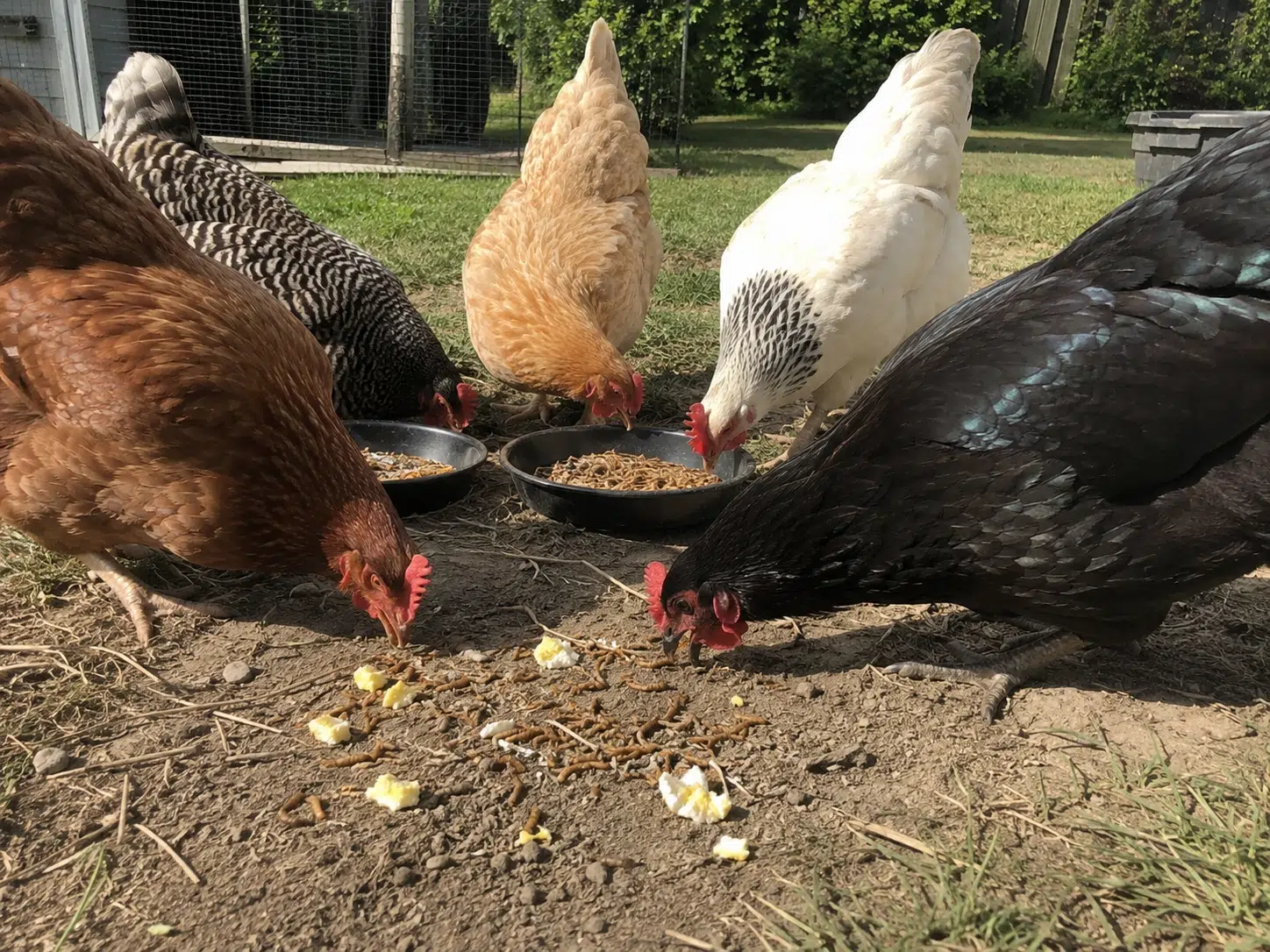
7. Mealworms. Chickens go absolutely crazy for mealworms, and nothing else on this list will make your flock come running quite so fast. You can buy them at most farm and pet stores, though they tend to be on the pricey side. The thrifty alternative is raising your own, which is a real project but costs almost nothing once it’s running. If that sounds a little unappealing, this is precisely the sort of job kids tend to love.
How Many Treats Are Too Many?
Here’s the part that matters most. Treats are exactly that, treats, and they shouldn’t crowd out the balanced feed your birds actually need. A good rule of thumb is that treats should make up no more than about 10 percent of your flock’s daily diet, with a complete layer feed providing the rest. Chickens will happily gorge on corn and melon and skip their feed if you let them, and that’s how you end up with birds that lay poorly.
One other thing worth knowing: chickens don’t have teeth. They need grit in their gizzards to grind up fibrous treats like weeds, cabbage, and corn. Free-ranging birds usually pick up plenty of grit naturally from soil and sand, but if your flock lives in a run with little bare ground, offer grit separately so they can actually digest everything you’re handing them.
Foods to Skip Entirely
Most kitchen scraps are fine in moderation, but a few things are worth keeping well away from your birds:
- Anything sprayed with herbicide or pesticide, as covered above
- Moldy or rotten food, which can be genuinely dangerous rather than just unappetizing
- Avocado pits and skins, which contain a compound that is toxic to birds
- Raw or dried beans, which are toxic to chickens unless fully cooked
- Very salty, sugary, or heavily processed foods, which their systems simply aren’t built for
Stick to fresh produce, garden greens, and the occasional protein treat, and you’ll never have a problem. For more on day-to-day feeding and flock health, browse our poultry care resources.
Frequently Asked Questions
What treats do chickens love most?
Chickens go especially wild for mealworms, melon, and corn on the cob. Yard weeds like dandelions, clover, and chickweed are also huge favorites and cost nothing at all. Hanging a cabbage is another popular option because it doubles as entertainment.
How many treats can I give my chickens?
Treats should make up no more than about 10 percent of your flock’s daily diet, with a complete layer feed providing the remaining 90 percent. Chickens will happily fill up on corn and fruit and neglect their balanced feed if given the chance, which can hurt egg production over time. Moderation keeps treat time healthy.
Can chickens eat dandelions and other yard weeds?
Yes, chickens will eat the entire dandelion including roots, stem, and flower, and they love clover and chickweed just as much. You do need to pick the weeds and bring them to the birds. Critically, never feed weeds from any area that has been sprayed with herbicide or pesticide.
Do chickens need grit to eat treats?
Yes, chickens have no teeth and rely on grit in their gizzard to grind up fibrous foods like weeds, cabbage, and corn. Birds that free-range typically pick up enough grit naturally from soil and sand. If your flock is confined to a run with little bare ground, provide grit separately.
What foods should chickens never eat?
Avoid anything sprayed with pesticides or herbicides, along with moldy or rotten food. Avocado pits and skins are toxic to birds, and raw or dried beans are toxic unless fully cooked. Very salty, sugary, or heavily processed foods should also be kept away from your flock.
Treats are one of the simplest pleasures of keeping chickens, for you and for them. Pick a handful of dandelions on your way to the coop, hang a cabbage on a slow afternoon, split a melon when it’s hot, and keep the whole thing to about a tenth of what they eat. Your flock will come running every time they see you coming.
Ready to start your own flock?
Hoover’s Hatchery ships healthy, vaccinated chicks straight to your door, with over 100 breeds to choose from. Your future melon-devouring hens are waiting.