When the temperature drops and your chickens start giving you that look, like you personally scheduled winter, the temptation to hang a big red heat lamp over the roost gets strong. Before you turn the coop into a rotisserie, though, it’s worth pausing to talk about chicken heat lamp safety. Heat lamps can absolutely keep a flock warm, but they also cause a surprising number of coop fires every year. The good news is that with the right setup, and often with no added heat at all, you can keep your hens cozy and safe all winter long.
New to backyard chickens?
FlockJourney is your go-to resource for flock care, breed guides, and poultry tips straight from the experts at Hoover’s Hatchery.
Are Heat Lamps Safe for Chicken Coops?
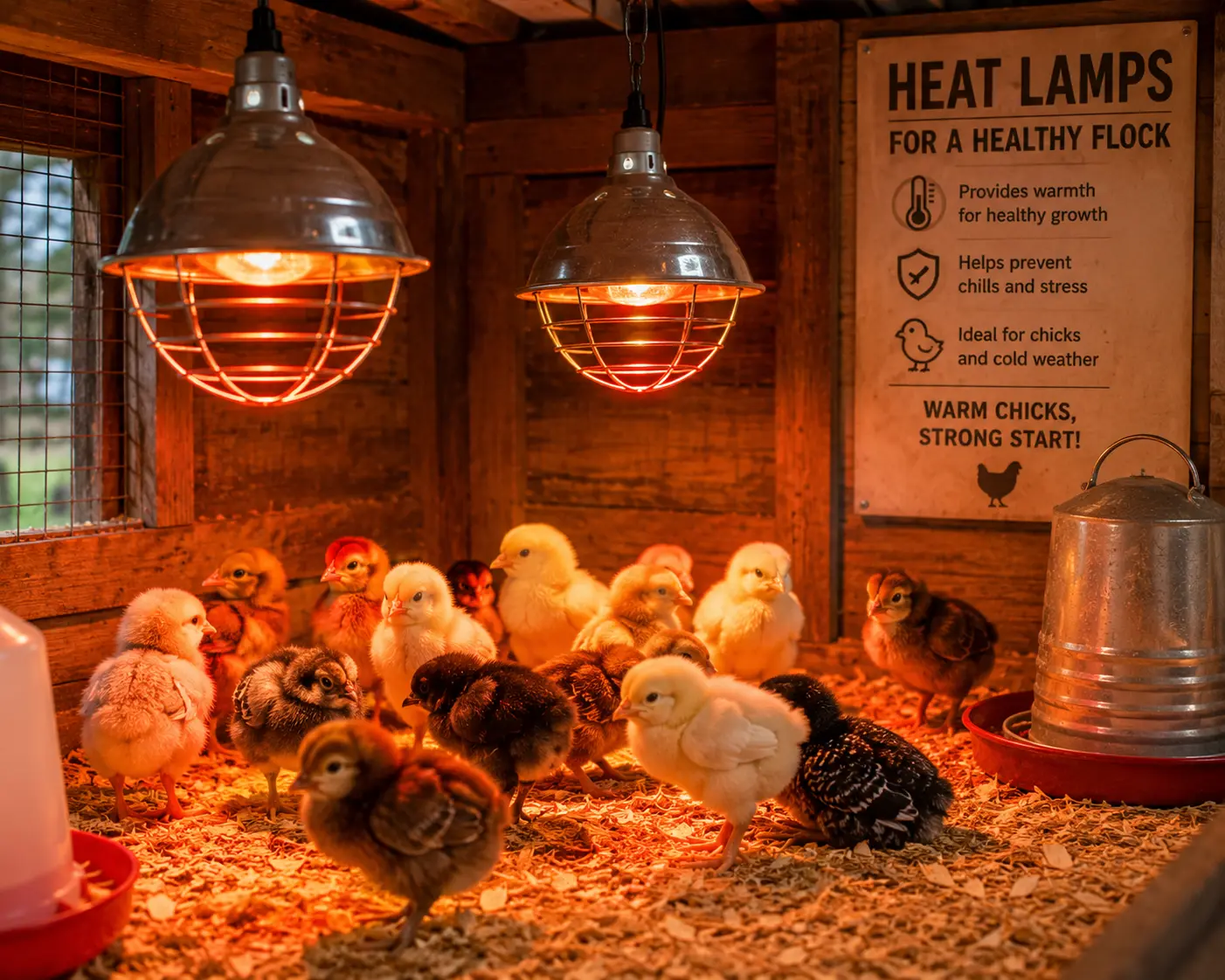
Heat lamps are the old standby for chicken keepers everywhere, and for good reason. They’re cheap, simple, and effective. The problem is that they’re also one of the most common causes of coop fires. Most coop fires start when a clamp-style heat lamp gets jostled or knocked loose by a curious hen and falls into the bedding. Dry pine shavings plus a 250-watt bulb is a recipe for a fast, dangerous blaze. Coops are also naturally dusty places, and that fine layer of dust and feather debris is highly flammable. In other words, the classic red clamp lamp isn’t inherently evil, but it demands a lot of respect and careful installation to use safely.
Do Chickens Actually Need a Heat Lamp in Winter?
Here’s the part that surprises many new keepers: chickens handle cold far better than most people think. With proper insulation, draft control, and dry bedding, most flocks do just fine in temperatures well below freezing. Think of your hens as tiny, feathery space heaters that huddle together and trap warmth in their downy underlayer. Unless you’re raising tropical breeds or facing genuine subzero extremes, your flock probably doesn’t need artificial heat at all.
Breed choice makes a big difference too. Cold-hardy birds like the Wyandotte, with their frostbite-resistant rose combs and dense feathering, shrug off winter that would stress a lighter breed. If you’re planning next year’s flock with cold weather in mind, browse the range of backyard breeds at Hoover’s Hatchery and lean toward the hardy, heavy varieties. For more seasonal guidance, our poultry care resources cover winter prep from top to bottom.
Not sure which breed is right for you?
Browse our complete breed guides to find the perfect match for your flock goals, climate, and lifestyle.
Safer Ways to Warm Your Coop
If your climate really does call for supplemental heat, or you simply feel better providing a little, choose a safer heat source than the old clamp lamp. Two options stand out. Ceramic heat emitters give off steady warmth without any light, which also avoids disrupting your birds’ sleep. Radiant or flat-panel coop heaters mount securely to a wall and dramatically reduce fire risk because there’s no exposed hot bulb to knock loose.
Whatever you use, follow these safety rules every time:
- Mount heat sources with solid brackets or hardware, never clip-on clamps.
- Keep at least 18 inches of clearance between the heat source and any straw, wood, or feathers.
- Use heavy-duty extension cords rated for the load, and route them well away from curious beaks.
- Install a thermostat or timer so the coop never overheats into a sauna.
- Clean dust and cobwebs off the unit regularly, since buildup is a fire hazard on its own.
How to Keep Chickens Warm Without a Heat Lamp
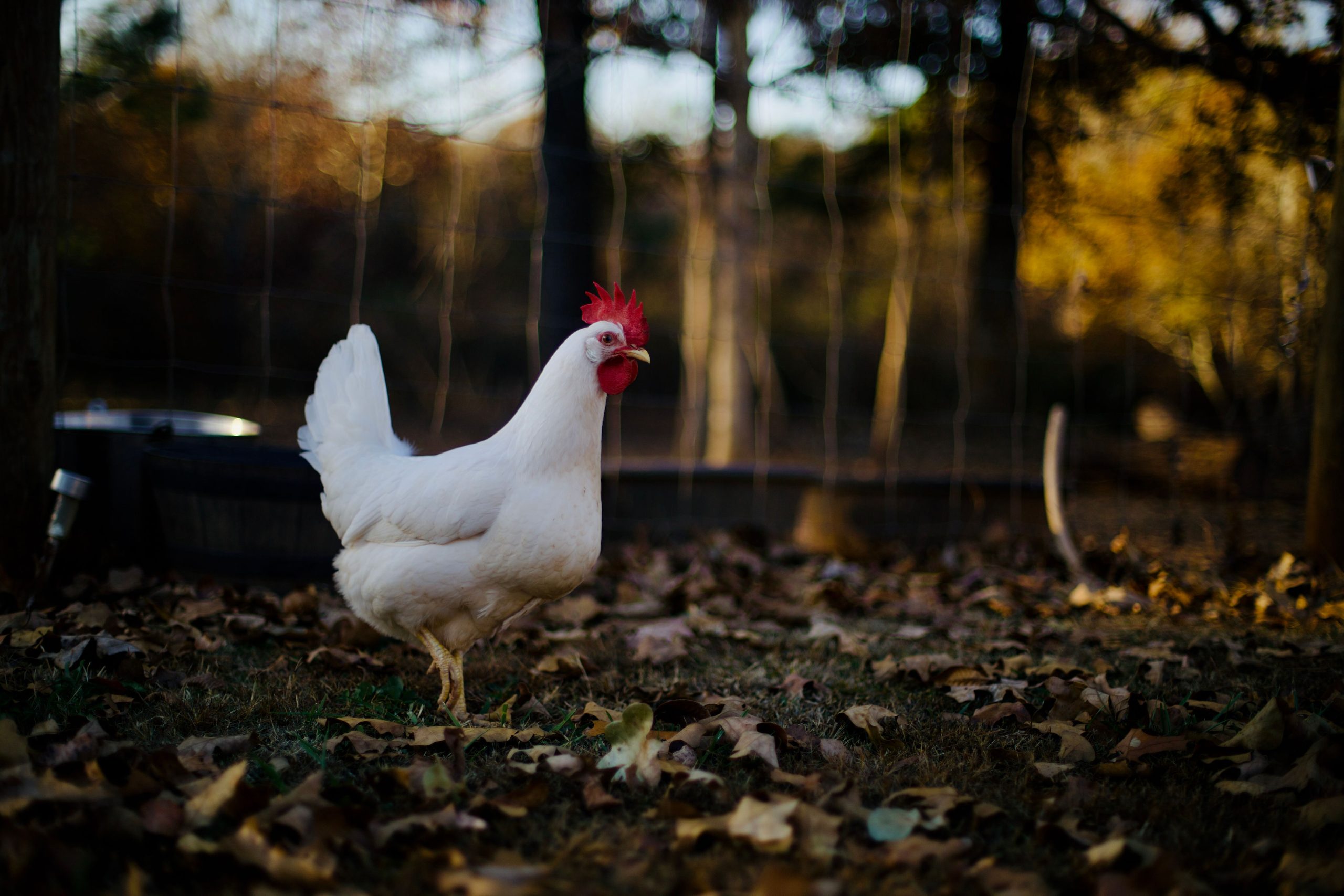
The safest coop in winter is usually the one with no added heat at all, just a smart setup. Start with a sturdy, well-built structure, since a solid coop does most of the work of holding in body heat. A quality chicken coop that’s the right size for your flock keeps birds close enough to share warmth without being overcrowded. From there, focus on four things:
- Insulation: Insulated walls or an inner liner help the coop retain the heat your hens naturally produce.
- Draft control: Seal gaps at bird level so cold wind can’t blow directly on roosting hens.
- Ventilation: Keep vents open high up. This sounds backward, but it lets damp air and ammonia escape, and moisture is far more dangerous to chickens in winter than cold.
- Dry bedding: Deep, dry bedding insulates the floor and, with the deep litter method, even generates a bit of gentle warmth as it composts.
One important exception: baby chicks are not cold-hardy and genuinely do need supplemental warmth in a brooder. If you’re raising chicks this season, our friends at Hoover’s cover the essentials of baby chick care, including safe brooding temperatures. Grown hens are a different story, but young chicks need that steady heat to thrive.
Frequently Asked Questions
Are heat lamps safe to use in a chicken coop?
Heat lamps can be used safely, but they carry a real fire risk and should be handled with care. Most coop fires start when a clamp-style lamp is knocked loose and lands in dry bedding. If you use one, mount it with solid brackets, keep at least 18 inches of clearance from flammable materials, and use heavy-duty cords. Safer alternatives like ceramic heat emitters and panel heaters are strongly recommended.
Do chickens need a heat lamp in winter?
Most adult chickens do not need a heat lamp in winter. With good insulation, draft control, and dry bedding, healthy flocks handle temperatures well below freezing by huddling together for warmth. Supplemental heat is usually only necessary for tropical breeds, sick or elderly birds, or genuinely extreme subzero conditions.
What is the safest way to heat a chicken coop?
The safest heat sources are ceramic heat emitters and radiant or flat-panel coop heaters, both of which mount securely and reduce fire risk compared to clamp lamps. Always keep heat sources at least 18 inches from bedding, use a thermostat or timer, and route cords away from your birds. Better still, focus on insulation and ventilation so added heat may not be needed at all.
How cold is too cold for chickens?
Most cold-hardy backyard breeds stay comfortable in temperatures well below freezing when they have a dry, draft-free coop. Trouble usually comes from moisture and drafts rather than cold air itself, since damp conditions can lead to frostbite. If temperatures plunge to extreme subzero levels or your birds show signs of distress, that’s the time to add a safe supplemental heat source.
Do baby chicks need a heat lamp?
Yes, unlike grown hens, baby chicks cannot regulate their body temperature and need consistent warmth in a brooder. They typically start around 95 degrees Fahrenheit in their first week, with the temperature lowered gradually as they feather out. A safe, securely mounted heat source is essential for raising healthy chicks.
So, can you use a heat lamp in your coop? Yes, but it takes care, planning, and a healthy respect for how quickly bedding can catch fire. For most backyard flocks, the smarter path is a solid, insulated, well-ventilated coop, dry bedding, and a few cold-hardy hens that keep each other warm. Focus on those basics and you’ll get through the coldest months with cozy birds and total peace of mind. After all, happy hens lay eggs, and a safe coop keeps them happy.
Winterizing your setup?
A sturdy, well-built coop is the safest way to keep your flock warm. Explore durable, easy-clean chicken coops from Hoover’s Hatchery, sized for flocks of every kind.