Few chickens turn heads quite like the Turken. With its bare, featherless neck and one of the most misunderstood names in the poultry world, this breed sparks plenty of questions and more than a few double takes. Also known as the Naked Neck chicken, the Turken is a hardy, productive, and surprisingly friendly bird that has earned a devoted following among backyard keepers. Whether you find it charming or comical, there is a lot to love about this unusual chicken. Here is everything you need to know about the Turken, starting with the question everyone asks first.
New to backyard chickens?
FlockJourney is your go-to resource for flock care, breed guides, and poultry tips straight from the experts at Hoover’s Hatchery.
Is a Turken a Turkey-Chicken Mix?
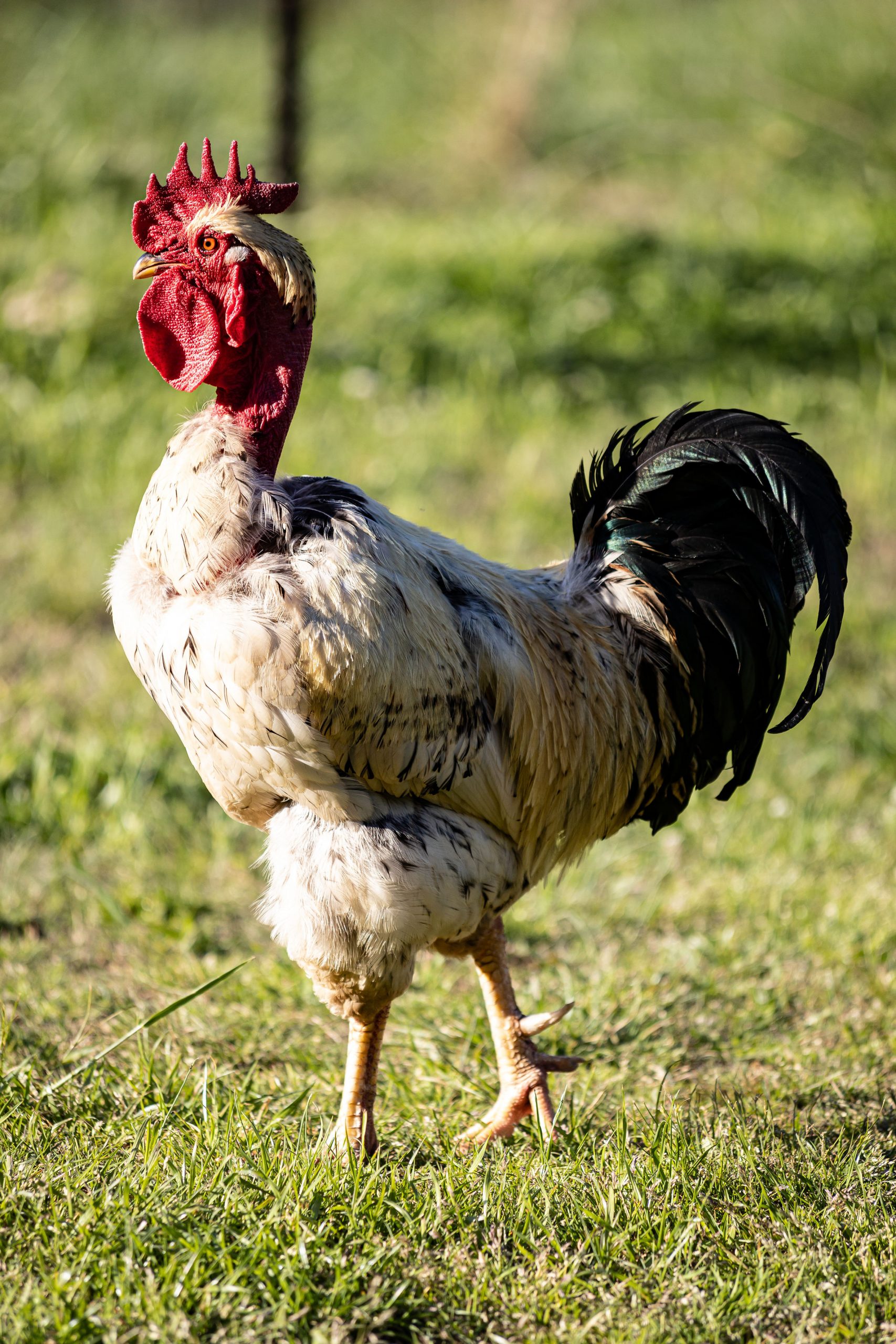
Let’s clear up the biggest myth right away. Despite its name, the Turken is not a turkey-chicken hybrid. It is 100 percent chicken, simply with a naturally bare neck. The “turken” nickname comes purely from its turkey-like appearance, not from any turkey in its family tree.
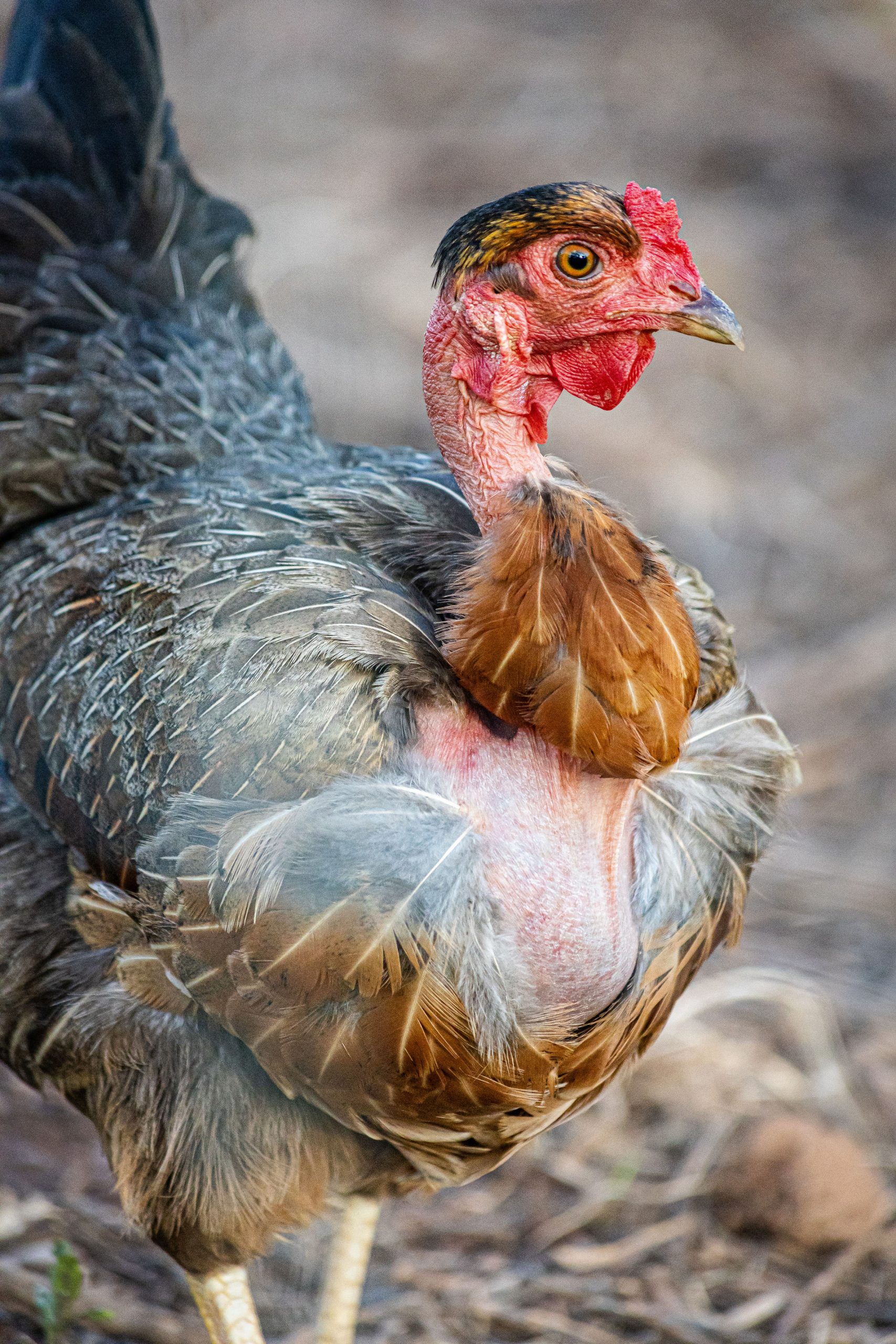
The bare neck is the breed’s signature feature, but it is not the only spot where feathers go missing. Look closely and you will notice a Turken also has bare skin on its underbelly, under the wings, and around the vent. It is all chicken, just with a distinctive and very practical lack of feathers, and you can find Turken chicks from Hoover’s Hatchery if the look wins you over.
Why Do Turkens Have Bare Necks?
The bare neck is not a quirk of grooming. It is genetics. Turkens have about 50 percent fewer feathers than a typical chicken, a trait caused by the dominant naked-neck gene that increases BMP12 signaling in the skin. That extra BMP12 tells certain areas of skin not to grow placodes, the tiny follicles that feathers sprout from.
Because the naked-neck gene is dominant, a chick needs only one copy to develop a bare neck, which is why first-generation crosses with almost any breed will show the trait. Birds carrying a single copy often keep a small tuft of feathers on the neck, charmingly called a “bib,” while those with two copies have the fully bare look. Since Turkens cross so readily, backyard mixes come in a rainbow of colors and patterns. The true Naked Neck breed, however, is standardized in just four show colors: black, buff, red, and white.
The History of the Naked Neck Breed
The Naked Neck has roots in Eastern Europe, appearing in the region of Transylvania and Romania around the 1920s, which is why the breed is sometimes called the Transylvanian Naked Neck. From there, these striking birds were selectively bred and grew in popularity, eventually making their way to England and the United States by the 1960s. The Naked Neck is an officially recognized breed of the American Poultry Association and the American Bantam Association. So while the backyard mixes are endlessly varied, there is a true, standardized breed behind the look.
Not sure which breed is right for you?
Browse our complete breed guides to find the perfect match for your flock goals, climate, and lifestyle.
Turken Eggs and Egg Production
Turkens are not just a novelty. They earn their keep in the nest box. A Turken hen lays around 250 to 265 large light brown eggs per year. That makes them dependable, productive layers, and many keepers count their Turken hens among their most faithful producers. Hens typically begin laying at about six months of age with enough daylight.
Purebred Turkens lay brown, tan-toned eggs, but here is a fun wrinkle: because the naked-neck trait crosses so easily, a backyard Turken mixed with a blue-egg breed can lay blue or other colored eggs. The feathers come from the Naked Neck side, while the egg color comes from whatever else is in the mix. If a full egg basket is your goal, the Turken sits comfortably among the most reliable brown egg layers.
Heat Tolerance, Cold Hardiness, and Meat
This is where the Turken’s unusual look becomes a real advantage. Their reduced feathering makes Turkens exceptionally heat tolerant, yet they are also among the most cold-hardy single-combed breeds. The heat tolerance has made them wildly popular in hot, humid climates like much of South America, while their hardiness still carries them through cold northern winters.
There is a clever bit of biology at work, too. Feathers are made largely of protein, so a bird that grows fewer feathers has extra protein to spare. In the Turken, that surplus goes toward muscle, which makes them excellent meat birds, and the bare skin makes them far easier to pluck than a fully feathered bird. For anyone interested in a bird for both eggs and the table, the Turken is a strong dual-purpose breed.
Turken Temperament
Temperament is where Turkens get interesting, because the breed’s reputation and individual birds do not always match. Hoover’s Hatchery describes Turkens as docile, friendly, and easy to tame, though some keepers find their hens active and alert. Many people love them as gentle, curious birds that make great conversation starters with visiting neighbors.
In my own experience, the hens can be on the flighty side, small and swift and always scanning for trouble, while the roosters tend to be vigilant, hard-working flock protectors. Our four-year-old Turken rooster runs himself ragged all day keeping tabs on his hens. Whatever their personality, Turkens are tough, capable free rangers with the grit to thrive, and a well-guarded flock is a healthy one, so it helps to know how to protect your birds from predators.
Frequently Asked Questions
Is a Turken a cross between a turkey and a chicken?
No. Despite the name, a Turken is not part turkey. It is entirely chicken, and its bare neck is a natural genetic trait rather than a sign of turkey ancestry. The name simply reflects its turkey-like appearance.
Why do Turkens have no neck feathers?
Turkens have bare necks because of a dominant gene that increases BMP12 signaling in the skin, which prevents feather follicles from forming in certain areas. This same trait reduces the bird’s total feathering by about 50 percent, leaving the neck, underbelly, and areas under the wings bare.
What color eggs do Turkens lay?
Purebred Turkens lay large, light brown or tan eggs, around 250 to 265 per year. Because the naked-neck trait crosses easily with other breeds, backyard Turken mixes can lay different egg colors, including blue, depending on the other breeds involved.
Are Turkens cold hardy?
Yes, surprisingly so. Even with about half the feathers of a normal chicken, Turkens are among the most cold-hardy single-combed breeds. They are also exceptionally heat tolerant, which makes them adaptable to a wide range of climates.
Are Turkens friendly?
Turkens are generally considered docile, friendly, and easy to tame, and they are known for being curious, people-oriented birds. Individual temperaments vary, though, and some keepers find their hens more active and flighty. Roosters often make vigilant, protective flock leaders.
Cute or comical, the Turken is one of the most distinctive and capable birds you can add to a flock. You get a hardy, heat-and-cold-tolerant chicken, a productive layer of large brown eggs, an easy-to-pluck dual-purpose bird, and a guaranteed conversation piece all in one. As more backyard keepers discover how practical these unusual birds are, you can expect to see a lot more bare necks in coops everywhere. If you are bringing home day-old chicks, our guide to baby chick care will help you get started, and Hoover’s carries the Turken alongside its full lineup of baby chicks.
Ready to add a Turken to your flock?
Hoover’s Hatchery ships healthy, heat-and-cold-hardy Turken chicks straight to your door, a productive brown egg layer and the ultimate flock conversation starter.