Few backyard breeds turn heads quite like Wyandotte chickens. With their richly laced feathers, rounded bodies, and easygoing confidence, these birds have earned a loyal following among flock keepers across the country. Wyandottes are one of the earliest chicken breeds developed in the United States, and they have been gracing farms and backyards for well over 100 years. Whether you want a steady supply of eggs, a hardy bird for cold winters, or simply a stunning addition to a mixed flock, the Wyandotte delivers on every front.
New to backyard chickens?
FlockJourney is your go-to resource for flock care, breed guides, and poultry tips straight from the experts at Hoover’s Hatchery.
The History of Wyandotte Chickens
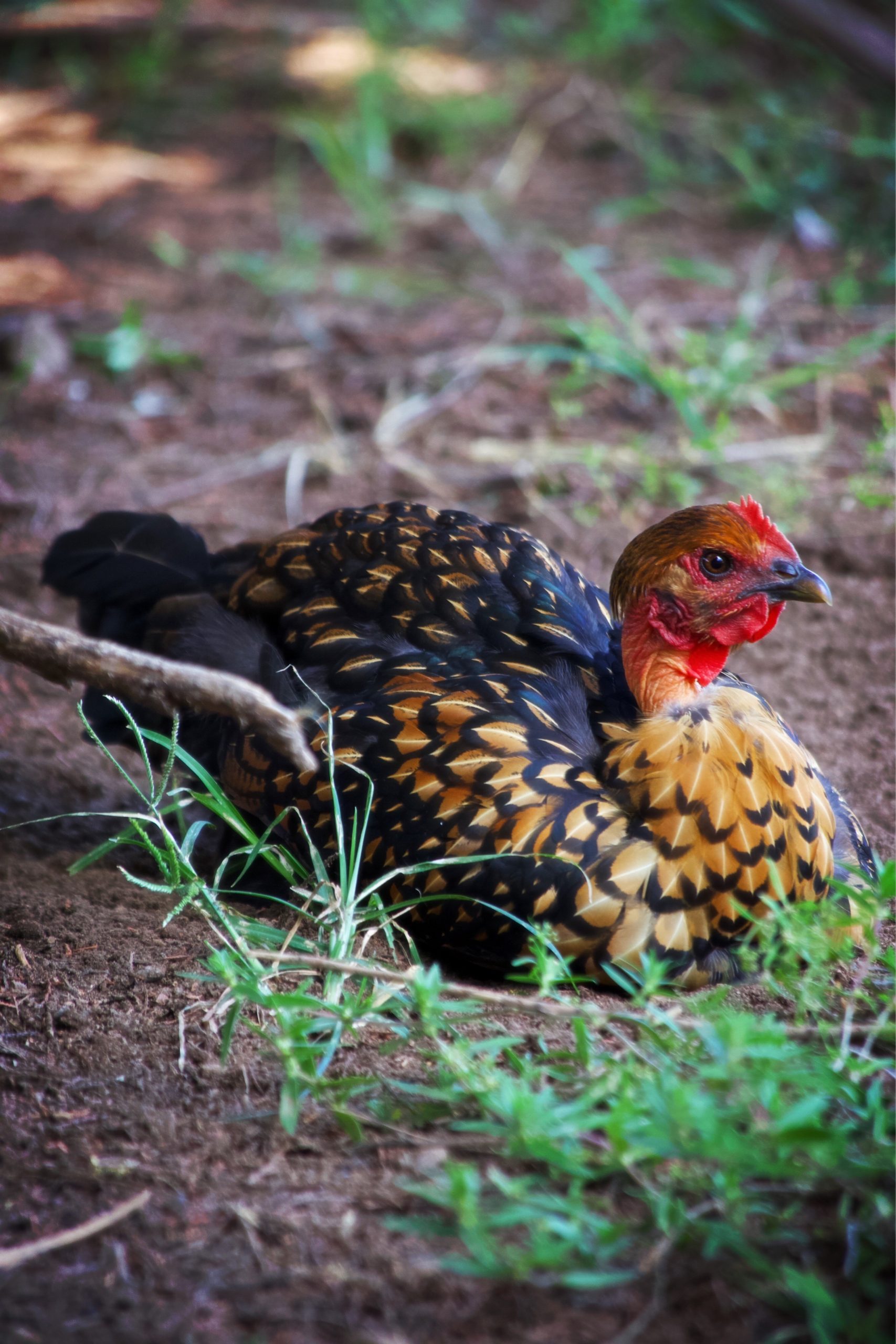
The Wyandotte story begins in the harsh, snowy winters of the northeastern United States. Early flock keepers wanted a dependable dual-purpose bird that could handle bitter cold while still producing both meat and eggs. By crossing breeds such as the Brahma, the Silver Sebright, and the Cochin, they created the foundation of the modern Wyandotte. The very first Wyandottes were silver laced birds, first recorded in 1870s New York.
The breed’s name has been debated for generations. Many historians believe it was borrowed from the nearby Wendat (Wyandot) Native American tribe, lending the bird a distinctly American identity. From those early silver laced founders, the Wyandotte grew into one of the most recognizable heritage breeds in North America, prized for its beauty and its sheer usefulness on a working homestead.
Wyandotte Colors and Stunning Feather Patterns
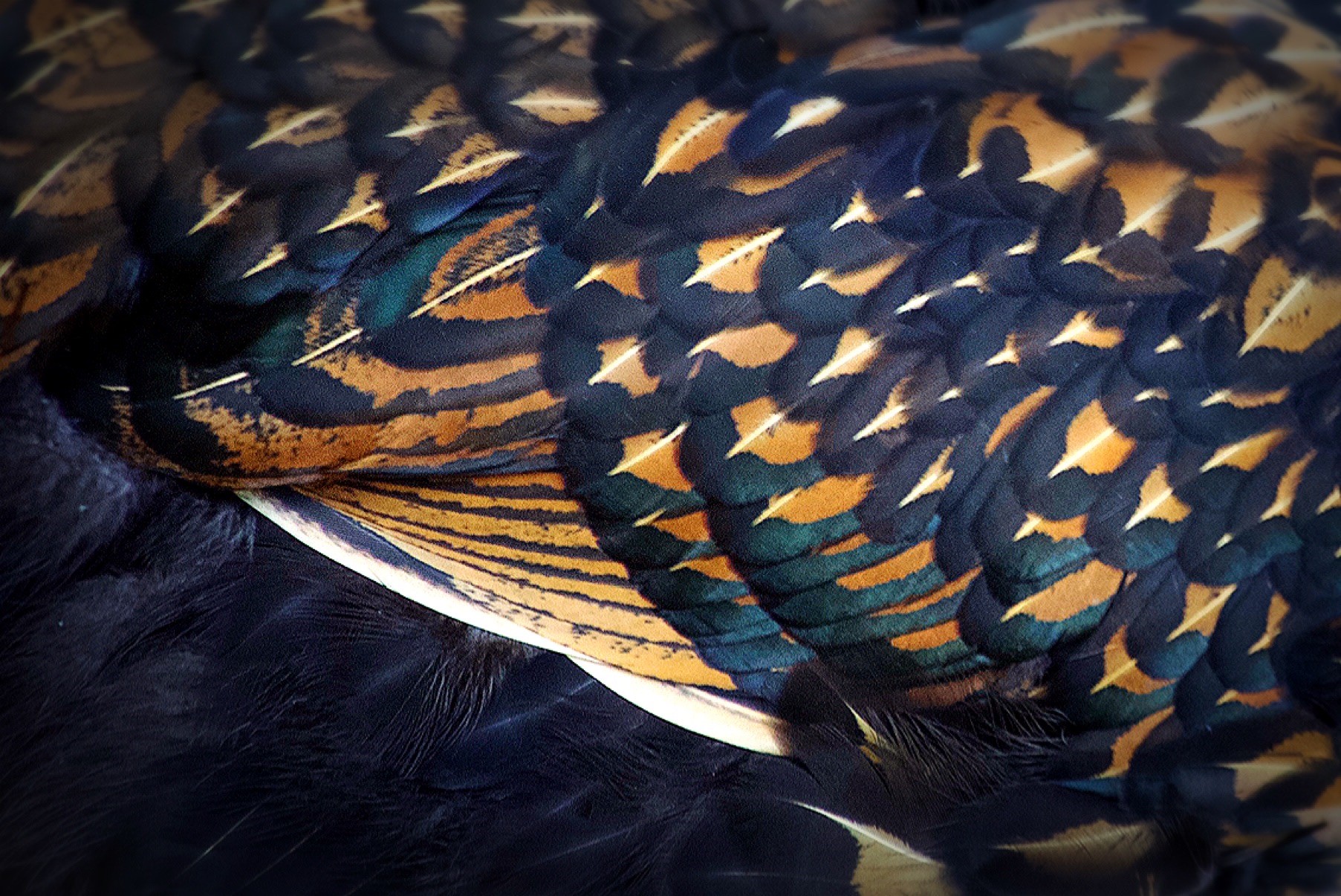
If there is one thing that made Wyandotte chickens famous, it is their feathering. The original variety was the silver laced Wyandotte, meaning each white feather is outlined with a crisp black border. That precise lacing pattern has been refined over many decades and remains a benchmark for breeders chasing show-quality birds. You can see the classic look in the original Silver Laced Wyandotte that started it all.
The golden laced variety came next, trading white for warm orange feathers, each one still edged in black. The Gold Laced Wyandotte offers the same elegant pattern with a richer, autumn-toned palette. Beyond the laced types, the breed has expanded into a rainbow of solid and patterned colors, including black, blue, white, buff, partridge, Columbian, and several blue-laced combinations. Today, Wyandottes come in more than 18 recognized color varieties. For keepers who simply want variety, a mixed Wyandotte assortment is a fun way to bring several stunning colors home at once.
Wyandotte Temperament and Flock Behavior
Wyandottes have a personality that matches their handsome looks. In a flock, they know how to stand up for themselves without becoming bullies. They simply refuse to buckle to hen drama, which makes them confident and assertive members of a mixed flock. This balanced attitude is part of why they blend so well with other backyard breeds.
Size adds to their presence. Wyandotte roosters can reach up to 9 pounds at maturity, while hens average around 6 to 7 pounds. Both males and females tend to settle near the top of the pecking order. Hens are famously broody and make devoted, protective mothers, so they are a wonderful choice if you ever plan on letting a hen hatch and raise her own chicks. Just be prepared for a bit of conversation, since Wyandottes are talkative birds that are not shy about voicing their opinions.
Not sure which breed is right for you?
Browse our complete breed guides to find the perfect match for your flock goals, climate, and lifestyle.
Are Wyandotte Chickens Good Egg Layers?
Wyandottes were bred to earn their keep, and the egg basket proves it. Wyandotte hens lay an average of 240 light tan, medium-sized eggs per year. That is a reliable, productive output that keeps most families in fresh eggs through much of the year, placing the breed among the steadier brown egg layers you can keep.
Because they are a true dual-purpose breed, Wyandottes also carry good body weight, so birds that retire from laying can still serve as meat chickens. Their cold tolerance gives them another quiet advantage: many Wyandotte hens keep laying through the chilly months when more delicate breeds slow down. If steady production matters to you, the Wyandotte sits comfortably alongside the most popular brown egg layers for backyard flocks.
Why Wyandotte Chickens Thrive in Cold Climates
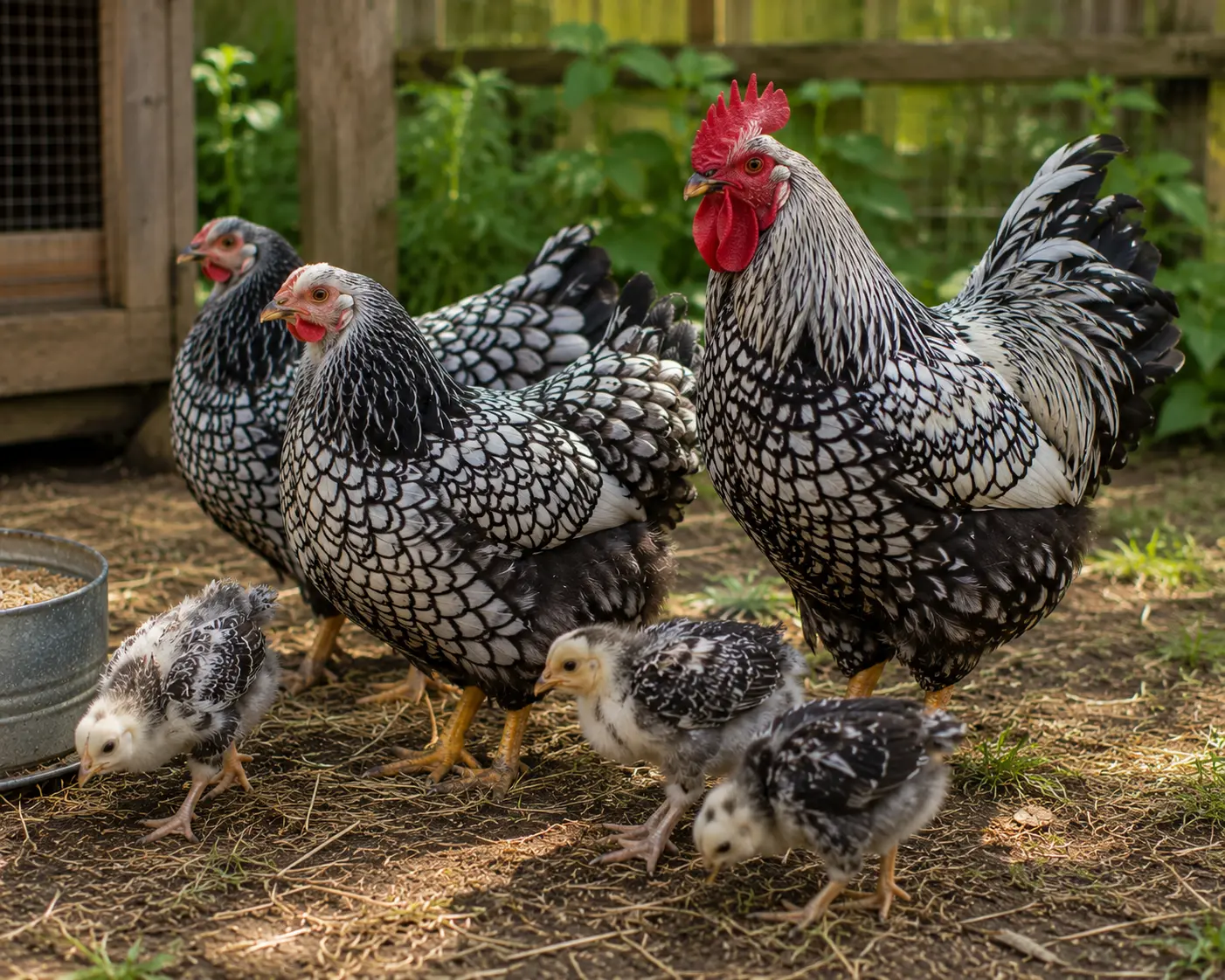
Cold hardiness is where Wyandottes truly shine. The breed was developed for rough northern winters, and its body is built for the job. Their tight, full feathering traps warm air close to the skin, while a deep chest and rounded frame help them hold body heat on freezing nights.
The rose comb is the breed’s secret weapon against winter. Unlike tall single combs that are exposed to the elements, the low, close-fitting rose comb gives Wyandottes far less surface area to lose heat or develop frostbite. Combined with their dense plumage, this makes them one of the most winter-ready breeds you can choose. They can live happily in warmer regions too, though extra shade and fresh water are important during heat spells so they do not overheat. No matter your climate, a few smart habits go a long way toward preventing frostbite in your flock during the coldest stretches of the year.
Frequently Asked Questions
What are Wyandotte chickens known for?
Wyandotte chickens are known for their beautiful laced feathering, calm but confident temperament, and excellent cold hardiness. They are a classic American dual-purpose breed, valued for both eggs and meat. Their rose comb and dense feathering make them especially well suited to cold winters.
How many eggs do Wyandotte chickens lay?
A healthy Wyandotte hen lays around 240 light tan, medium-sized eggs per year. They are dependable layers and often continue producing through cold weather when many other breeds slow down. This makes them a solid choice for families who want steady egg production.
Are Wyandotte chickens good for beginners?
Yes, Wyandottes are an excellent choice for beginners. They are hardy, easy to manage, and adapt well to mixed flocks without being aggressive. Their calm nature and tolerance for both cold and heat make them forgiving birds for first-time chicken keepers.
Are Wyandotte chickens cold hardy?
Wyandottes are among the most cold-hardy chicken breeds available. Their tight feathering traps body heat, and their low rose comb resists frostbite far better than a tall single comb. They were specifically bred to handle the harsh winters of the northeastern United States.
What colors do Wyandotte chickens come in?
Wyandottes come in more than 18 recognized color varieties. The silver laced and golden laced patterns are the most iconic, but you can also find black, blue, white, buff, partridge, Columbian, and several blue-laced varieties. This wide range is a big part of the breed’s lasting popularity.
From their storied beginnings in 1870s New York to the colorful, cold-hardy birds we love today, Wyandotte chickens remain one of the most rewarding breeds a backyard keeper can raise. With a color to suit every taste, a friendly yet self-assured personality, and the resilience to thrive through tough winters, the Wyandotte is a true all-around American chicken and a wonderful addition to any mixed flock.
Ready to start your Wyandotte flock?
Hoover’s Hatchery ships healthy, vaccinated chicks straight to your door from hatcheries across the US. Bring home the strikingly beautiful, winter-hardy Wyandotte.