Today we are talking about one of my all-time favorite breeds. Who am I kidding, it feels like every breed is my favorite! But if you are looking for a sweet, affectionate, and hardy bird, the Brahma chicken is hard to beat. These gentle giants are excellent egg layers with calm personalities, and they come in beautiful varieties that turn any backyard into a postcard. I keep six of them in my coop, from full-size hens down to the tiniest Bantams, and they are some of the friendliest birds I have ever raised.
New to backyard chickens?
FlockJourney is your go-to resource for flock care, breed guides, and poultry tips straight from the experts at Hoover’s Hatchery.
What Makes Brahma Chickens So Special?

Picking out chickens is one of the most exciting parts of backyard keeping. Most flock owners choose their breeds based on egg production, temperament, and whether the birds are cold or heat hardy. I keep 18 different breeds, so there is never a dull moment in our coop, and the yard is speckled with beautiful feathers while the egg basket fills with a rainbow of colors. The two qualities I look for first are docile temperament and pretty eggs, and the Brahma delivers on both. Originally known as the “King of All Poultry,” the Brahma was the principal American meat breed from the 1850s until about 1930, and today it is prized as a calm, dependable family bird.
If a docile flock is your goal, you might also enjoy reading about other sweet brown egg producers in our roundup of popular egg layer breeds for backyard flocks. Brahmas fit right in with that crowd thanks to their easygoing nature and their habit of getting along with just about every other breed in the run.
Brahma Colors: Light, Dark, and Buff
One of the best things about this breed is the variety. I own three Buff Brahma Bantams, one Light Brahma, one Dark Brahma, and one full-size Buff Brahma, and their personalities are remarkably similar even though their sizes are wildly different. Light Brahmas are striking white birds with black hackles and tail feathers, and mine, Blanche, is absolutely gorgeous. If you want one for your own flock, Hoover’s offers the Light Brahma chick, known for being one of the best breeds around children.
My Dark Brahma, Big Momma, is the largest chicken in the whole coop. Dark Brahmas have dramatic dark feathers with white lacing, feathered legs, and that same gentle disposition. You can find them at Hoover’s as the Dark Brahma chick. And then there are the Buff Brahmas, which are buff-colored with black tails and hackles. Their feathered feet are huge, and they have full plumage that makes them look even bigger than they already are. Hoover’s carries the Buff Brahma chick if you want to add a golden centerpiece to your flock.
Not sure which breed is right for you?
Browse our complete breed guides to find the perfect match for your flock goals, climate, and lifestyle.
Egg Production and Cold-Weather Hardiness
Backyard flock owners use Brahmas for both meat and eggs, but in the Wingnest we keep them strictly for the egg basket. Brahma hens lay 150 to 200 large brown eggs a year, and according to poultry keepers, they are especially good at laying through the cold months when many other breeds slow down. That winter laying ability comes from their build. The Brahma has a small pea comb and a thick, dense layer of down, which makes them ideal for cold weather climates. Their feathered feet and quiet nature only add to the appeal.
Because of their larger size, Brahmas do need a bit more room and roomier nesting boxes than your average hen. They are a fairly quiet breed, they get along great with flock mates, and they are a genuinely fun addition to any coop. If you love big, calm birds, you may also want to read about another oversized sweetheart in our guide to Jersey Giant chickens. We keep both, and honestly my Brahmas give the Giants a run for their money in the size department.
Brahma Bantams: Small Birds, Big Hearts
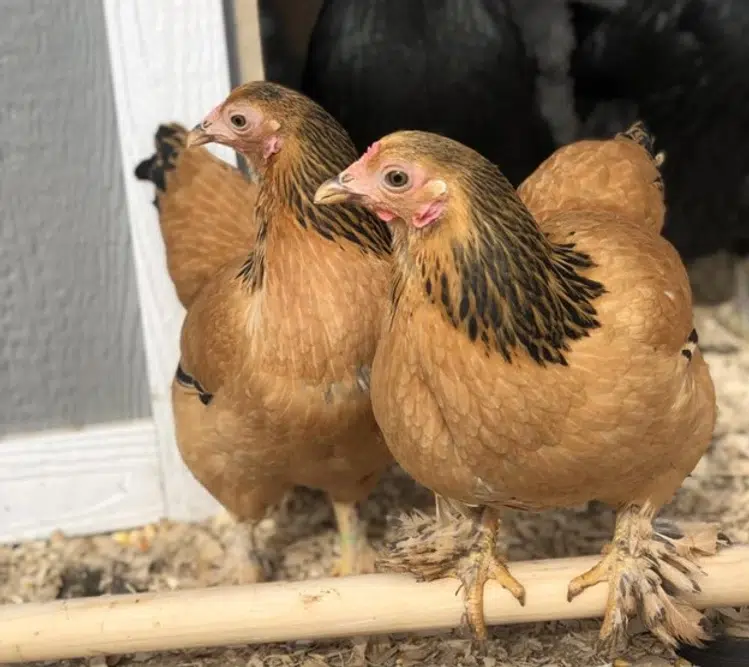
If you have a smaller setup or simply love a pint-sized chicken, Brahma Bantams are the way to go. They carry all the sweetness of the full-size birds in a tiny package. My Bantam Reba is the sweetest gal in the coop, and she follows us everywhere until we pick her up. Brahmas, big and small, gained a wave of popularity after a photo of a giant Light Brahma rooster went viral on social media. I have never seen one that enormous in person, but my Brahma hens are still the biggest birds I keep.
Frequently Asked Questions
How many eggs do Brahma chickens lay per year?
Brahma hens lay approximately 150 to 200 large brown eggs per year. They are known for laying well through winter, which keeps your egg basket full during the months when many other breeds take a break.
Are Brahma chickens good for cold climates?
Yes. Brahmas are one of the most cold-hardy breeds available. Their small pea comb resists frostbite, and their thick layer of down plus feathered feet keep them warm through harsh winters.
Are Brahma chickens friendly?
Brahmas are famously docile, gentle, and quiet, which makes them one of the best breeds for families and children. Many owners describe them as lap chickens that will follow you around the yard and happily be held.
How big do Brahma chickens get?
Standard Brahmas are among the largest chicken breeds, with mature birds typically weighing 7 to 8 pounds, and roosters often growing even larger. If you want the same gentle temperament in a smaller bird, Brahma Bantams are a wonderful compact alternative.
If you are scrolling through chick catalogs this spring and wondering what to add to your flock, I cannot recommend these gentle giants and sweet Bantams enough. All six of my Brahmas have excellent temperaments, they are great egg layers, and their range of colors makes for a beautiful feathered landscape in the backyard. Until next time, happy flock keeping!
Ready to add Brahmas to your flock?
Hoover’s Hatchery ships healthy, vaccinated chicks straight to your door, including Light, Dark, and Buff Brahmas. Start your gentle-giant flock today.