Raising backyard chickens is one of life’s real joys. Before getting a flock, many of us scroll through social media dreaming about coops, breeds, and how we’ll decorate the run, and for the most part it lives up to the fantasy. But raising chickens isn’t always a Pinterest party. Birds can be susceptible to illness if they aren’t cared for properly, and one disease worth understanding before it ever shows up in your coop is coccidiosis in chickens. Here’s what it is, how to spot it, how to protect your flock, and what to do if a bird gets sick, with guidance from a poultry expert.
New to backyard chickens?
FlockJourney is your go-to resource for flock care, breed guides, and poultry tips straight from the experts at Hoover’s Hatchery.
What Is Coccidiosis?
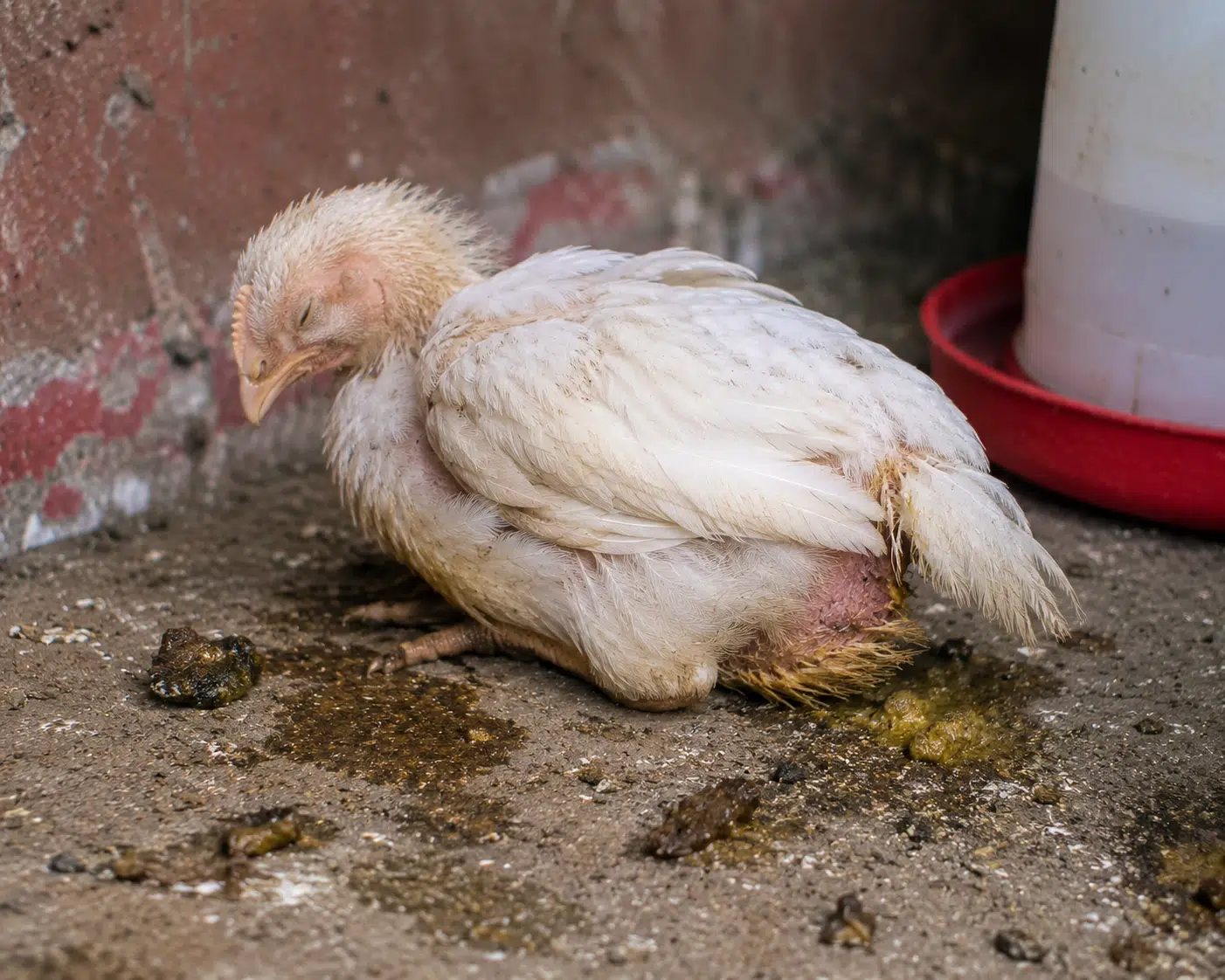
To break this down, it helps to hear from an expert. Dr. Bob Stock is a poultry nutritionist for Strong Animals Chicken Essentials, and he explains that coccidiosis is a common poultry disease found worldwide. It is caused by protozoa and is generally host-specific, meaning different species of the protozoa infect different species of animals. Every bird is susceptible to it in some form.
What makes coccidiosis so significant is where it does its damage: the gastrointestinal tract. When the protozoa multiply in a chicken’s gut, they harm the intestinal lining, which interferes with the bird’s ability to absorb nutrients and, in serious cases, can become life-threatening.
Symptoms of Coccidiosis to Watch For
Catching coccidiosis early gives your bird the best chance, so it’s worth knowing the warning signs. A chicken sick with coccidiosis may show:
- Mucus-like or bloody diarrhea, often the most recognizable sign
- Dehydration
- Anemia
- Listlessness and low energy
- Ruffled feathers
- Stunted growth, especially in young birds
- Death, if left untreated
Bloody droppings in particular should get your attention right away. If you notice these signs, act promptly rather than waiting to see whether the bird improves on its own.
How to Protect Your Flock from Coccidiosis
Here’s a reassuring truth from Dr. Stock: chickens naturally develop immunity to coccidiosis over time. The goal of prevention isn’t to eliminate the protozoa entirely, which is nearly impossible, but to keep exposure low enough that birds build immunity without becoming seriously ill.
Good sanitation is the foundation, though Dr. Stock is candid that it’s no guarantee. It’s almost impossible to keep chickens from picking up some cocci. Beyond hygiene and vigilance, keepers generally choose among a few approaches:
- Vaccination: Some people have their chicks vaccinated for coccidiosis at the hatchery.
- Anticoccidial feed or medication: Others use an anticoccidial drug to keep the infection level low while the birds develop immunity.
- A natural approach: Others support digestive health and immune function with essential oils and probiotics or prebiotics.
All of these work toward the same end: keeping a bird’s exposure manageable so its immune system can do its job. Strong gut health is central to that, which is one reason many keepers pay close attention to digestive support. Our guide to natural products for maintaining chicken health covers the daily-wellness side of this in more depth.
Not sure which breed is right for you?
Browse our complete breed guides to find the perfect match for your flock goals, climate, and lifestyle.
Can You Catch Coccidiosis from Your Chickens?
This is a common and understandable worry, and the answer is reassuring. According to Dr. Stock, people are not susceptible to the species of cocci that infect chickens. The protozoa are host-specific, so the strain your birds carry cannot make you sick. Humans can get their own form of coccidiosis, but it’s a different, human-specific strain.
One important caveat: while you can’t catch it from your birds, you can absolutely spread it between them. The protozoa hitch rides on shoes, clothing, equipment, and anything else moved from one group of birds to another. Good biosecurity habits, like cleaning footwear and equipment between coops, help keep an outbreak from traveling through your flock.
What to Do If a Chicken Gets Coccidiosis
If you suspect one of your birds has coccidiosis, Dr. Stock’s first and most important recommendation is clear: take the bird to a veterinarian immediately. Coccidiosis is treatable, but it needs proper diagnosis and care. A vet will likely treat the bird with Amprolium, the standard medication for the disease.
Alongside veterinary treatment, thorough cleaning is essential to stop the spread. Dr. Stock recommends:
- Cleaning the pen, feeders, and waterers thoroughly
- Adding fresh bedding
- Supporting the flock’s hydration and gut health during recovery
For that supportive care, the Strong Animals Chicken Essentials line is built around gut and immune health. Dr. Stock notes that Chicken E-lixir (along with Chick E-lixir for young birds) supports digestive health for daily maintenance, while Flock Fixer can be added to the water when the flock is under challenge to help maintain a healthy gut and support the immune system. He also suggests sprinkling Coop Recuperate over fresh bedding as part of cleanup. It’s worth being clear about what these products are and aren’t: they’re gut and immune support meant to help birds stay resilient and develop natural immunity, not a treatment or cure for an active infection. When a bird is genuinely sick, the vet and proper medication come first, with supplements playing a supporting role.
Stay Informed, Stay Calm
Most backyard keepers will never have to deal with a serious coccidiosis outbreak, especially with good sanitation and healthy birds. But understanding a disease before it appears means you’ll know exactly how to help your flock if it ever does. That’s the whole point of learning this now, so that on any ordinary day you can simply head out to the coop and tell your girls how wonderful they are. Keeping chicks healthy from the very start helps too, and our guide to caring for baby chicks covers common early issues. For more on flock wellness, browse our poultry care resources.
Frequently Asked Questions
What is coccidiosis in chickens?
Coccidiosis is a common, worldwide poultry disease caused by protozoa that damage the gastrointestinal tract. It is generally host-specific, meaning the strain affecting chickens is different from strains affecting other animals. All birds are susceptible, and it can be fatal if left untreated.
What are the symptoms of coccidiosis?
Signs include mucus-like or bloody diarrhea, dehydration, anemia, listlessness, ruffled feathers, and stunted growth, and it can cause death if untreated. Bloody droppings are one of the most recognizable warning signs. If you notice these symptoms, seek veterinary care promptly.
How do I prevent coccidiosis in my flock?
Good sanitation and vigilance are the foundation, keeping exposure low enough that birds develop natural immunity without becoming sick. Keepers may also have chicks vaccinated at the hatchery, use an anticoccidial drug, or support gut and immune health with prebiotics, probiotics, and essential oils. It is nearly impossible to eliminate cocci entirely, so the goal is managing exposure rather than preventing all contact.
Can humans catch coccidiosis from chickens?
No, people are not susceptible to the species of coccidia that infect chickens, because the protozoa are host-specific. Humans can develop their own separate strain of coccidiosis, but not from their birds. You can, however, spread it between your chickens via shoes, clothing, and equipment.
How is coccidiosis treated?
If a chicken shows signs of coccidiosis, take it to a veterinarian right away. Vets typically treat the disease with Amprolium. Thoroughly cleaning the pen, feeders, and waterers and adding fresh bedding helps stop the spread, and supportive care for hydration and gut health can aid recovery alongside proper medication.
Starting a healthy flock?
Hoover’s Hatchery ships healthy chicks straight to your door, with coccidiosis vaccination available and care guidance every step of the way.