One Memorial Day weekend, an unexpected heat wave slammed the upper Midwest. All-time temperature records shattered as the mercury climbed near 100 degrees. Hardly a breeze stirred, and clouds of gnats swarmed every warm-blooded creature that ventured outside. The combination proved deadly: the heat and gnats together killed a number of backyard chickens, including four of one keeper’s flock. The lesson is a hard but important one. Chickens tolerate cold far better than heat, and a sudden hot spell can be genuinely dangerous. Here’s how to help your flock survive the heat, whether it arrives on schedule or catches you off guard.
New to backyard chickens?
FlockJourney is your go-to resource for flock care, breed guides, and poultry tips straight from the experts at Hoover’s Hatchery.
Why Heat Is So Dangerous for Chickens
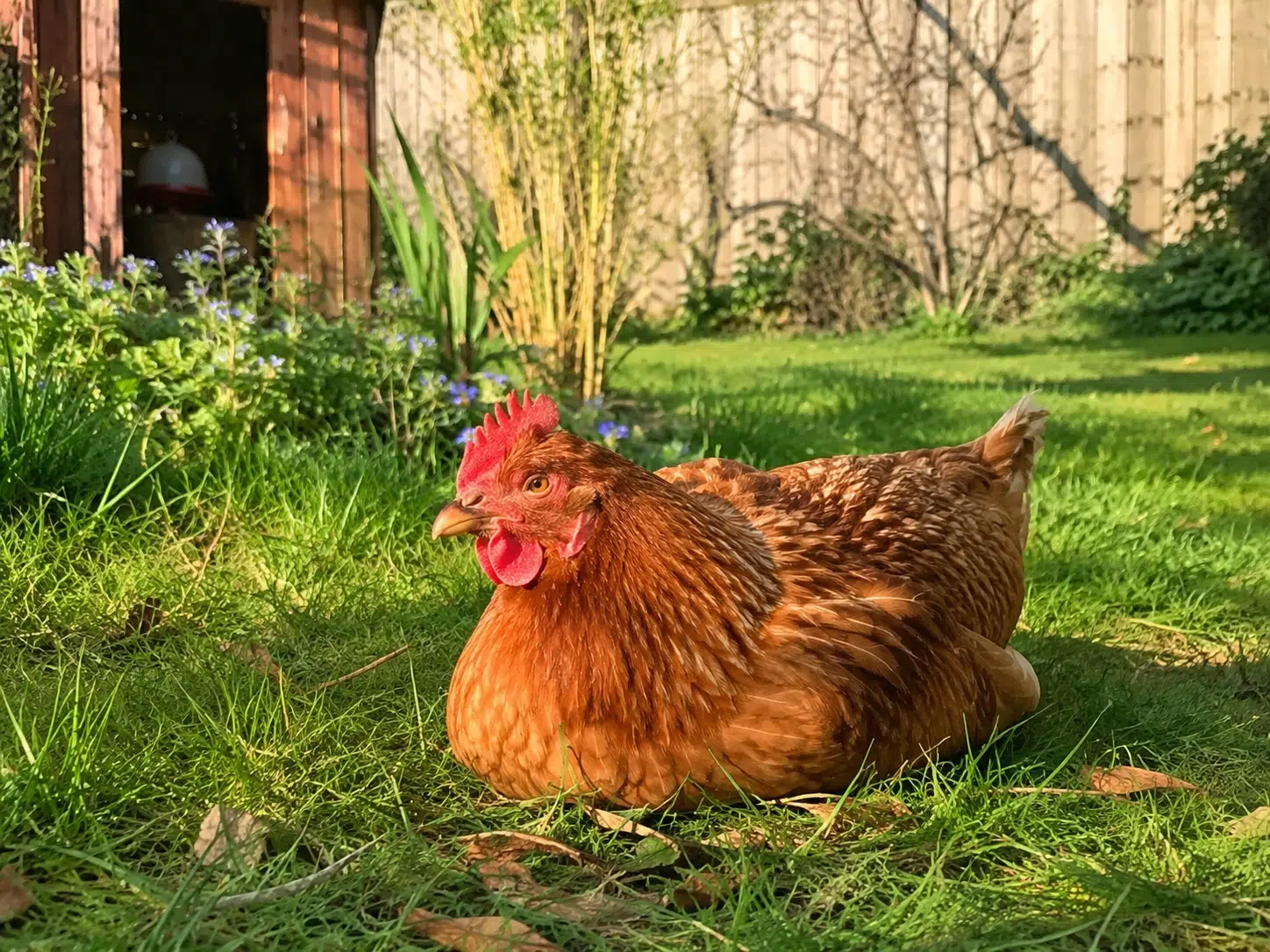
Chickens don’t sweat. They shed excess heat mainly by panting and by holding their wings away from their bodies, which is a far less efficient cooling system than ours. Wrapped in a coat of feathers with no way to perspire, a hen can go from uncomfortable to in real trouble surprisingly fast when temperatures spike. Normally July and August are the hot months, which at least gives flock owners some warning to prepare. It’s the unexpected early heat waves, the ones that arrive before you’ve set anything up, that tend to do the most damage.
Know the Signs of Heat Stress
Catching heat stress early can save a bird’s life, so it’s worth knowing what to watch for. A chicken that’s overheating will often show these signs:
- Panting with an open beak, sometimes rapidly
- Wings held out and away from the body
- Pale, floppy comb and wattles
- Lethargy and reluctance to move
- Reduced appetite and a noticeable drop in egg laying
If you see these signs, act quickly to cool the affected birds and the coop. The steps below help both prevent heat stress and relieve it when it strikes.
Short-Term Fixes for a Heat Wave
When a hot spell hits and you need to cool things down right now, these quick actions make an immediate difference:
- Add fine netting over the windows. Install mosquito netting to supplement the coop’s wire mesh. The larger wire keeps big predators out, while the fine netting keeps gnats and mosquitoes at bay, which matters because biting insects add serious stress on top of the heat.
- Put a fan in the coop. Even a simple breeze helps birds shed heat and keeps the air moving.
- Hose down the coop’s exterior. Spray the outside walls with water a couple of times a day. As the water evaporates, it pulls a few degrees of heat out of the coop.
- Keep the flock calm. Excited, active chickens generate more body heat, so minimize anything that riles them up during the hottest hours.
- Add extra waterers. Keep every waterer full and set out a few additional ones so no bird has to walk far for a drink. Cool, always-available water is one of your best tools against heat.
- Create instant shade. Move a picnic table or any large flat object into a sunny run to throw down immediate shade the birds can gather under.
A quick note on that netting: whenever you modify the coop’s openings, keep predator protection in mind, since fine netting alone won’t stop a determined raccoon. Our guide to protecting your backyard flock from predators covers how to keep the coop secure while you improve airflow.
Not sure which breed is right for you?
Browse our complete breed guides to find the perfect match for your flock goals, climate, and lifestyle.
Long-Term Fixes to Beat the Heat for Good

Short-term tricks get you through a heat wave, but a few permanent changes make every summer easier on your flock. These are worth planning ahead of the hot season:
- Insulate the coop. Good insulation keeps heat out in summer just as it keeps warmth in during winter, steadying the temperature inside year-round.
- Plant shade trees. Trees positioned to shade the coop in the afternoon provide free, effective cooling once they mature. It’s a long-term investment that pays off every summer.
- Add a shade bush in the run. A well-placed bush shades a patch of ground where birds can retreat from direct sun.
- Choose heat-tolerant breeds. If high temperatures are normal where you live, build your flock around birds suited to the heat.
That last point is one of the most effective long-term decisions you can make. Lighter-bodied Mediterranean breeds like the White Leghorn handle heat noticeably better than heavy, densely feathered breeds, and you’ll find more heat-friendly options among the active white egg layers at Hoover’s Hatchery. For help matching a breed to your climate and goals, see our guide to choosing the best breeds for backyard flocks. And since a well-built structure is the foundation of summer comfort, a quality chicken coop sized and ventilated for your flock goes a long way.
Heat and Cold: Two Sides of Coop Comfort
Keeping a flock comfortable is a year-round job. The same qualities that protect chickens from summer heat, insulation, ventilation, and shade, work alongside the steps that keep them safe in winter. If you’re thinking about cold-weather planning too, our guide to keeping the coop warm safely in winter is the natural companion to this one. Together they cover both ends of the thermometer. For everything in between, our poultry care resources have you covered.
Frequently Asked Questions
How do I keep my chickens cool in hot weather?
Provide plenty of cool, fresh water in multiple locations, add shade with a picnic table, bush, or trees, and improve airflow with a fan. Hosing down the coop’s exterior a couple of times a day cools it through evaporation, and fine netting over the windows keeps stressful biting insects out. Keeping the flock calm during peak heat also reduces the body heat they generate.
What are the signs of heat stress in chickens?
Watch for panting with an open beak, wings held out from the body, pale and floppy combs and wattles, lethargy, reduced appetite, and a drop in egg laying. These signs mean a bird is struggling to shed heat and needs cooling right away. Heat stress can be fatal, so quick action matters.
Can chickens die from heat?
Yes, chickens tolerate cold much better than heat, and a sudden hot spell can kill birds, especially when combined with swarms of biting gnats. Because chickens cannot sweat and are covered in feathers, they overheat more easily than people expect. Preparing shade, water, and airflow before hot weather arrives is the best protection.
What chicken breeds handle heat best?
Lighter-bodied Mediterranean breeds such as White Leghorns tend to handle heat better than large, heavily feathered breeds. Their smaller size and active nature help them shed heat more efficiently. If you live somewhere with regularly high temperatures, choosing heat-tolerant breeds is one of the most effective long-term steps you can take.
Why are gnats and heat so dangerous together?
During a heat wave, swarms of gnats and mosquitoes add significant stress on top of the heat, and the combination can be deadly for a flock. The insects harass and weaken birds already struggling to stay cool. Fine mosquito netting over coop openings helps keep biting insects out while still allowing airflow.
Heat can be one of the most serious threats a backyard flock faces, but it’s also one of the most manageable with a little preparation. Keep the water flowing, throw down shade, move some air, keep the biting insects out, and lean on heat-tolerant breeds if your summers run hot. Watch your birds closely when the temperature climbs, act fast at the first signs of heat stress, and your flock will come through even the worst hot spell in good shape.
Building a flock for a hot climate?
Hoover’s Hatchery ships healthy, vaccinated chicks straight to your door, including heat-tolerant breeds well suited to warm-weather backyards.