Late each winter, both new and seasoned chicken keepers run into the same happy problem. You flip through the Hoover’s Hatchery chick catalog or browse the website, and every single breed looks perfect. Placing the order suddenly feels impossible. It is tempting to grab one chick of every breed, but most coops only have room for a handful of birds. Learning how to choose chicken breeds based on the right characteristics is honestly the hardest and most fun part of starting a flock. The good news is that it is very hard to go wrong, because every breed shines in one or more valuable ways.
New to backyard chickens?
FlockJourney is your go-to resource for flock care, breed guides, and poultry tips straight from the experts at Hoover’s Hatchery.
Start With Egg Production
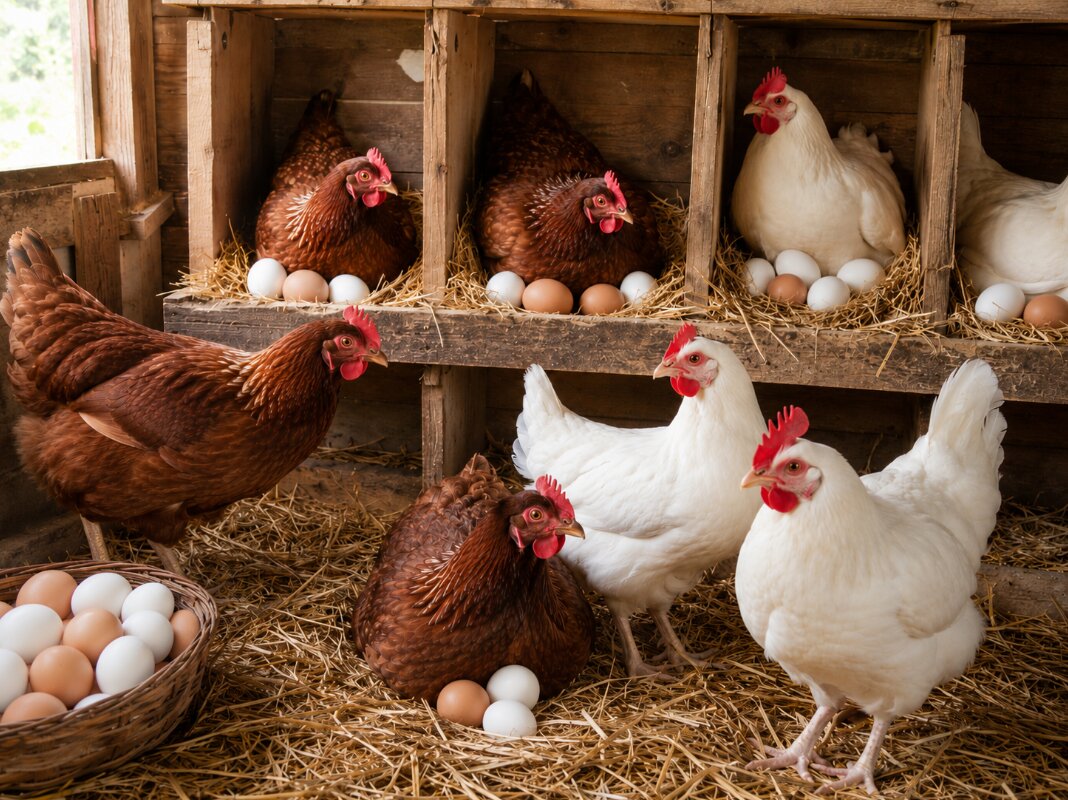
For most backyard keepers, eggs are the headline reason for raising hens, so it makes sense to start here when you choose chicken breeds. All female chickens lay eggs, but the numbers vary wildly. Fancy exhibition breeds might give you just a few dozen eggs a year, while egg-laying hybrids can produce around 25 dozen, or roughly 300 eggs, in a single year. If filling the egg basket is your top priority, lean toward production hybrids or especially productive purebreds. Rhode Island Reds are a classic pick for brown shells, while White Leghorns are the gold standard for white eggs. You can explore the full range of dependable brown egg-laying breeds to see how production numbers stack up side by side.
Match the Temperament to Your Lifestyle
Chickens should be a joy, not a chore. Half the fun of keeping them is wandering out to the coop and watching the hens scratch, dust bathe, and frolic around the run. Temperament matters more than many first-time keepers expect, and it tends to follow some general patterns. According to longtime poultry keepers, most white egg-laying breeds are relatively small, high-strung, a little nervous, and fairly noisy. Many of them can fly like a pheasant and are remarkably good at escaping predators. Brown egg layers, by contrast, are usually larger, quieter, and far less excitable. Most brown egg layers cannot clear even a four-foot fence, which makes them easier to contain and often friendlier company. If you have young kids or simply want calm birds, temperament should weigh heavily in how you choose chicken breeds. Once your gentle flock arrives, a little planning around protecting your backyard flock from predators goes a long way, since calmer breeds are less able to flee danger on their own.
Not sure which breed is right for you?
Browse our complete breed guides to find the perfect match for your flock goals, climate, and lifestyle.
Do Not Underestimate Beauty
Beauty really is in the eye of the beholder, and there is nothing wrong with picking a breed simply because it makes you smile. Brown Leghorns carry gorgeous, intricate feather patterns, and few backyard sights are as striking as a white Plymouth Rock cruising across a green lawn. Catalogs and breed pages show clear photos of each variety, so it is easy to choose chicken breeds that have the eye appeal you are after. If you want a flock that doubles as living lawn art, a mix of colored egg layers adds both visual variety and a rainbow of eggs in the basket.
Consider History and Geography
Every breed, and even every hybrid, comes with a backstory. Some originated in Scandinavia, England, Italy, France, or Asia, while others were developed right here across various American states. A handful of heritage breeds have been around for centuries and bring a real sense of tradition to a flock. Other hybrids are as modern as this morning, the product of careful scientific breeding. Ordering a thoughtful mix gives your flock both historic and geographic diversity, which is a fun conversation starter and a nod to poultry history. Blending old and new is one of the most rewarding ways to choose chicken breeds.
How Experienced Keepers Make Their Picks
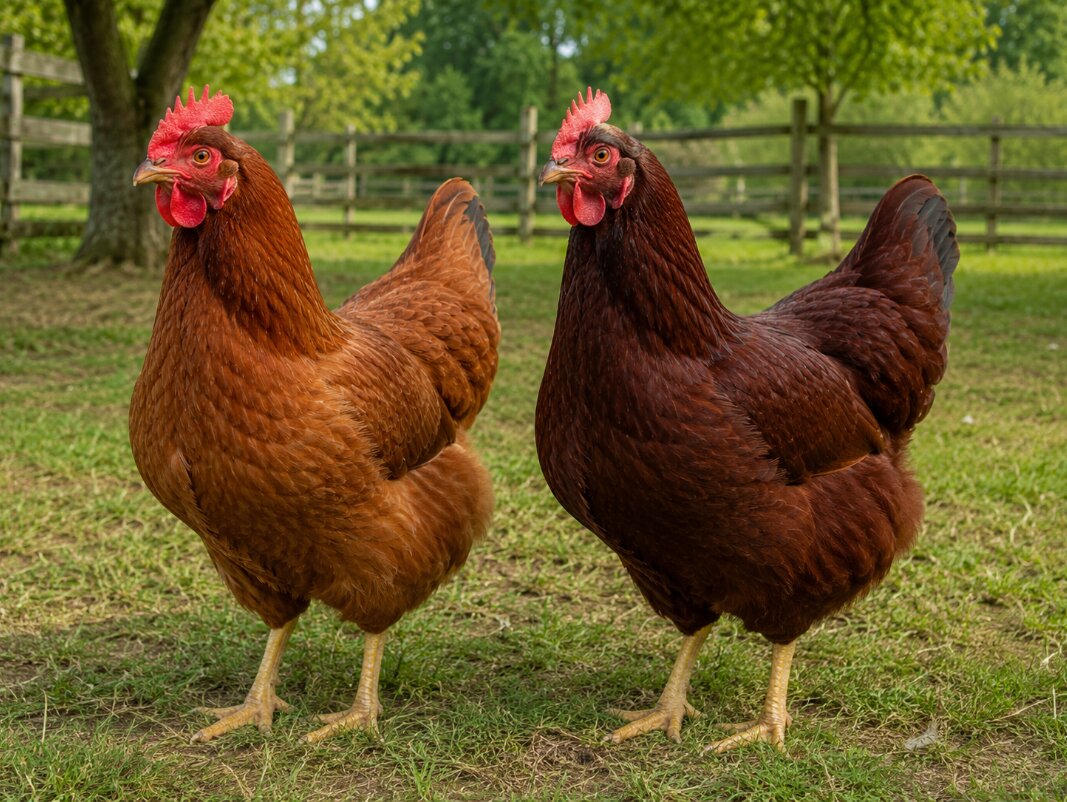
Rich and Marion Patterson have been keeping chickens since they were kids decades ago, and they often appear in Hoover’s Hatchery Facebook Live programs. Even with all that experience, they still wrestle with their order every spring, but they always blend history, tradition, and fun. Marion grew up in New England, so a New Hampshire or a Rhode Island Red always makes the list. There is a sweet bonus, too, because New Hampshire’s rusty red feathers are the same hue as their daughter Nancy’s hair, so they simply cannot resist. Rich is partial to Orpingtons for their fluffy good looks and curious personalities, so a few always end up in the box. And since the family loves eggs for breakfast, they round things out with super productive hybrids like Amberlinks and California Whites.
Order Early Before Breeds Sell Out
Here is the practical part. Chicks of the most popular and interesting breeds tend to sell out quickly once spring ordering opens. If you have your heart set on a specific breed, do not wait. Decide what matters most to you, whether that is eggs, temperament, beauty, or heritage, and place your order early so you actually get the birds you want.
Frequently Asked Questions
What chicken breed characteristics matter most when starting a flock?
The four characteristics that matter most are egg production, temperament, appearance, and heritage. Egg production tells you how many eggs to expect, temperament tells you how friendly and manageable the birds will be, appearance is about personal enjoyment, and heritage adds tradition and diversity. Rank these based on your own goals before you order.
Which chickens lay the most eggs?
Egg-laying hybrids are the top producers, with many laying around 300 eggs per year. Among purebreds, Rhode Island Reds and White Leghorns are standout layers. Fancy exhibition breeds, by contrast, may only lay a few dozen eggs annually, so choose production-focused breeds if a full egg basket is your priority.
Are brown egg layers friendlier than white egg layers?
Generally, yes. Brown egg layers tend to be larger, calmer, quieter, and less prone to flying, which often makes them friendlier and easier to handle. White egg layers are usually smaller, more high-strung, noisier, and excellent fliers. For families with children or anyone wanting docile birds, brown egg layers are often the better fit.
When should I order chicks for the best breed selection?
Order as early as possible, ideally in late winter or early spring when catalogs open for the season. The most popular and unusual breeds sell out fast, so early ordering is the best way to secure the specific breeds you want. Waiting too long often means settling for whatever is still in stock.
Choosing the right birds is the start of a rewarding journey, and there really is no single perfect answer. The best flock is the one that fits your space, your goals, and the kind of mornings you want to spend in the coop. Take your time, mix a little tradition with a little fun, and you will end up with chickens that genuinely love you back.
Ready to start your flock?
Hoover’s Hatchery ships healthy, vaccinated chicks straight to your door from hatcheries across the US. Browse hundreds of brown egg layers, colored egg layers, and rare breeds.