A chick’s first month is tumultuous! Hatched in a Hoover’s Hatchery incubator, as soon as that baby girl chick’s fluff dries off, she’s gently placed into a shipping box. The combined body heat of many babies keeps them warm as the box bounces along in a truck heading for the airport. Soon she’s zooming through the sky to some place she’s never been to or even heard of. It could be New Jersey, Miami, California, or even Canada. Then she’s trucked again to a farm store and put into a big brooder awaiting customers. A family buys her and a few other chicks. After a short car ride in a small box, she’s put into her first home – a cardboard box incubator. That’s quite a journey for a baby. She doesn’t even have a mother to guide or comfort her!
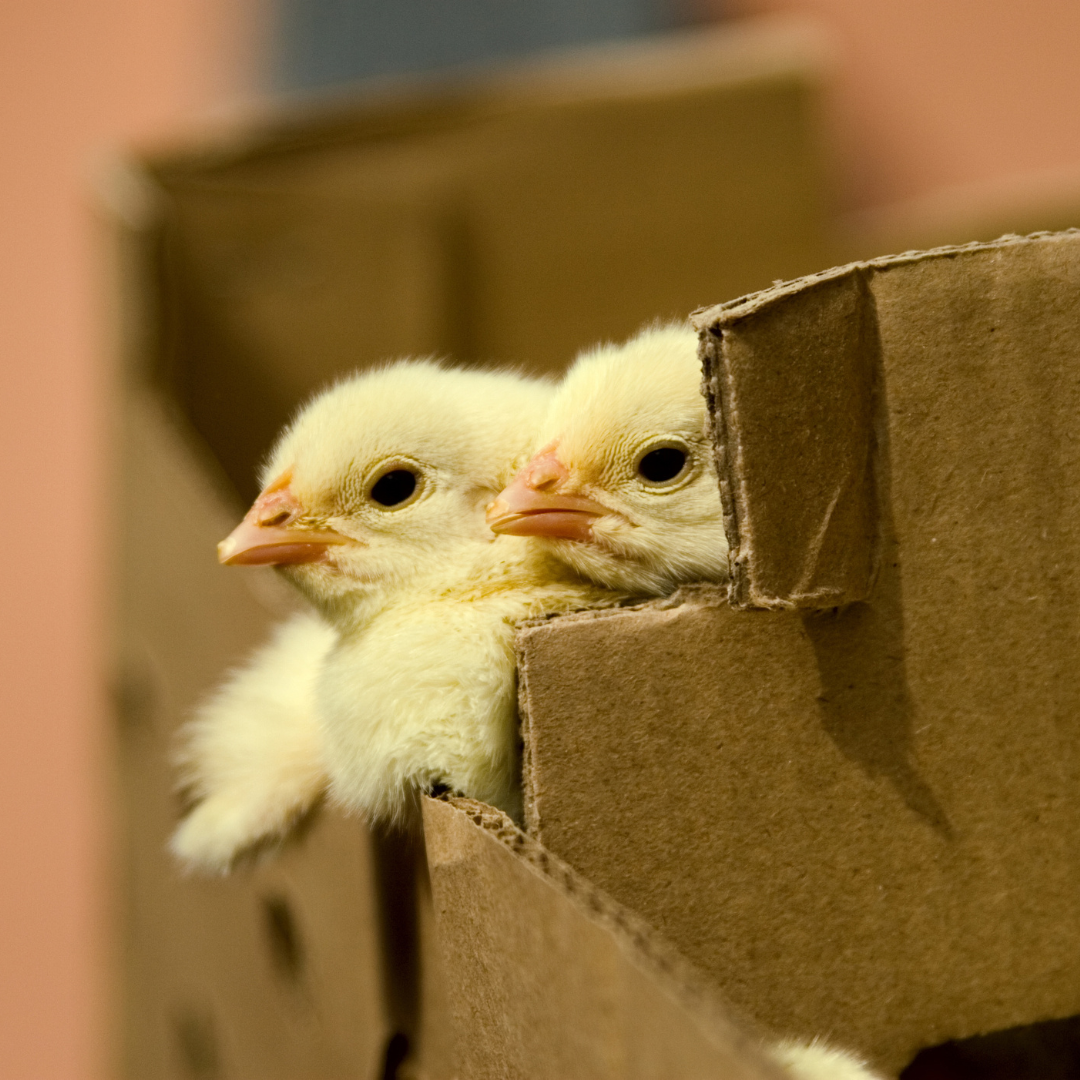
However, her mother’s yolk makes the trip possible. It nourished her during incubation. When she hatched there was still enough of the yolk’s nutrition left to make the journey from the hatchery to the store and a buyer’s home. By then she’s hungry and eagerly pecks down nutritious commercial starter feed and samples her first drinks of clean water.
What takes a human baby a few years to accomplish a baby chick does in a couple of days. She can walk, talk….or at least peep, and eat and drink all by herself. Her next month will set the scene for life in a backyard coop.
How to Choose the Right Chick at the Farm Store
Before bringing chicks home from the store a family should have a warm brooder awaiting at home along with chick starter feed and clean water. Hopefully they’ve done homework and know what breeds they want to bring home. We suggest buying a mix of breeds that have differently colored feathers. That helps tell one from the other and note their traits. Store clerks can usually help choose breeds, but a wise shopper should:
- Be able to identify chicks by breed when they’re on display in the store. If in doubt, scan Hoover’s website on a phone while at the chick display. Photos on the site should help identify breeds for sale.
- Notice the chick’s size. Chicks of only two or three days old are tiny fluff balls, but they grow quickly. Sometimes the store doesn’t sell them right away and some may be a week or two old. If these are the right breed buying these chicks gives a head start on raising them to adulthood.
- Notice their appearance. They should be active, eating with gusto, and seem adventurous.
What to Notice in a Chick’s First Month
Growth: Chicks grow like crazy in their first 30 days. Some breeds and hybrids grow much faster than others. In a month meat breed chicks will be vastly larger than standard breeds, but there’s always some variation. A brooder that seemed spacious housing six or eight babies will be crowded with bigger chicks a month later. Watching different growth rates is fascinating.
Feathers: Leghorns, Marans, Minorcas, Capines, and many commercial hybrids are fast feathering, while old traditional breeds, like Barred Rocks, tend to feather more slowly. So, assuming there is a mix of breeds in the brooder, notice that some feather faster than others. This is usually obvious by day 10 to 12. Generally, females feather faster than males.
Personalities: Chickens have personalities. Often adult traits can be spotted in their childhood….er chickhood. Some will be aggressive and “forward” while others are passive and shy. Maybe some are just braver than more skittish companions. A chick or two will be more curious than others, explore the brooder and study unusual or different things she discovers.
The Big Move
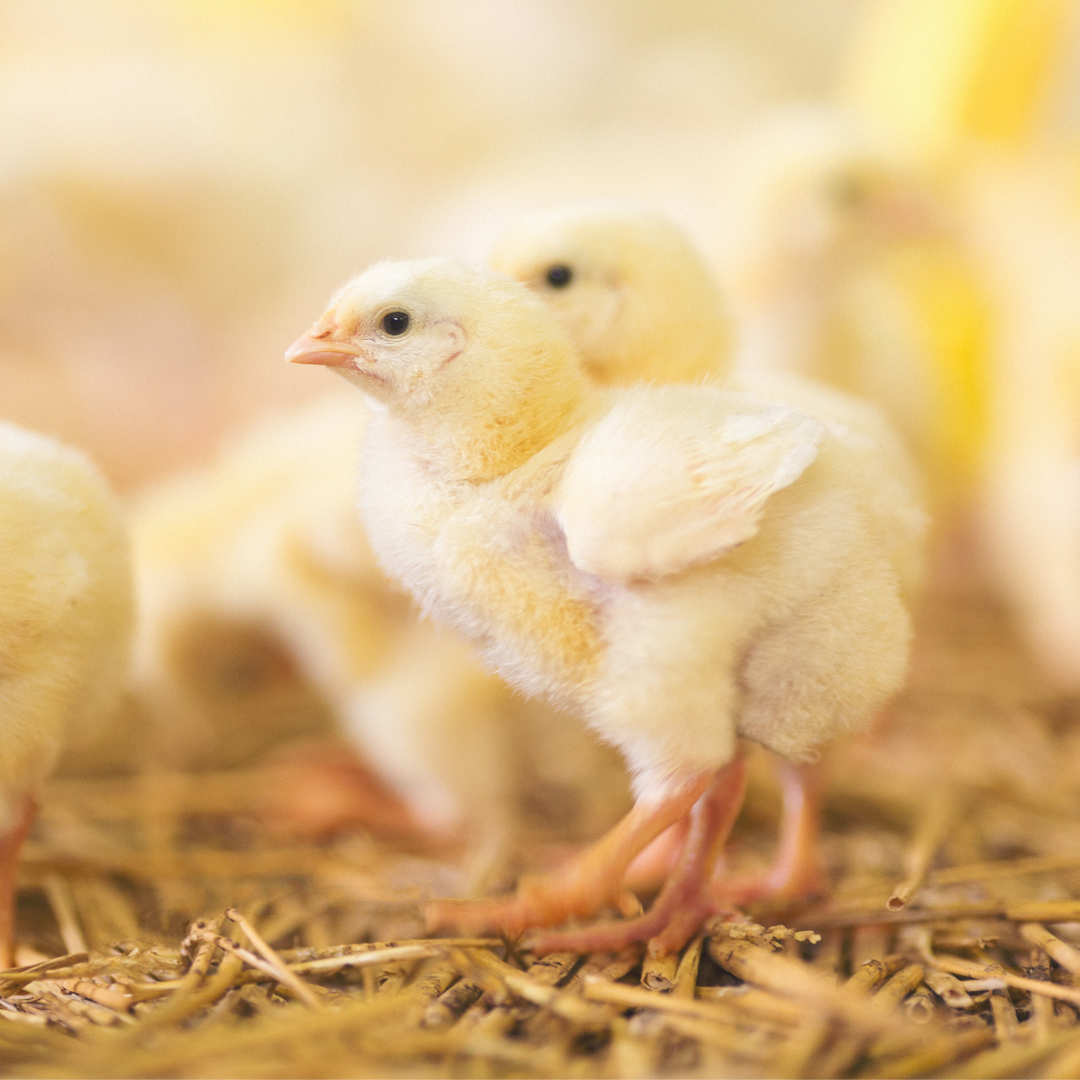
A month’s gone by. The brooder is getting crowded as spring advances outside. Days are getting warm. It’s time for the chicks to move from a snug, warm, but crowded brooder to the coop where they’ll spend the rest of their lives. It must be a scary adventure. Everything’s new. There are places to explore and new things to study and peck at. It could be chilly. Month old chicks enjoy insulating feathers but they still need to be warm and will appreciate basking in the warmth of a heat lamp until spring weather really warms up.
These once tiny chicks have graduated from life in an incubator, to a farm store, to a home brooder, and finally to their coop. It’s quite a journey.