It’s officially spring, and if you’re thinking about starting a flock of your own, there are a few important things to sort out before you bring home those sweet little chicks. Plenty of first-time keepers, in a rush of excitement, buy the chicks and nothing else, only to realize at home that day-old birds need quite a lot of gear to survive their first weeks. A little preparation makes all the difference. Here’s a complete checklist for buying baby chicks, from checking local rules to setting up before the birds ever arrive.
New to backyard chickens?
FlockJourney is your go-to resource for flock care, breed guides, and poultry tips straight from the experts at Hoover’s Hatchery.
Step 1: Check Your Local Ordinances First
Before anything else, find out whether your area allows backyard chickens, and if so, how many. This is the step first-timers most often skip, and it’s the one that can force a heartbreaking decision later. You will get attached to these birds quickly, so it would be a genuine shame to have to rehome them because of a rule you didn’t know about. Some areas also restrict roosters or require permits. A quick call to your city or county saves a lot of grief.
Step 2: Decide What Kind of Chickens You Want
Next, think about why you’re keeping chickens and what you want from them. Are you in it for the eggs, to teach your kids responsibility, for meat, or simply for the enjoyment of the birds? Your answer shapes which breeds to choose. Many keepers weigh a few factors in order:
- Personality first. Docile, friendly breeds are best if you want birds that are sweet with family and visitors.
- Egg production. How many eggs a breed lays on average, and what color.
- Climate hardiness. If you live somewhere with weather extremes, cold and heat hardiness matters a lot.
Our guide to choosing the best breeds for backyard flocks walks through how to balance these, and you can browse options among the many breeds of chicks at Hoover’s Hatchery.
Step 3: Choose Where to Buy Your Chicks
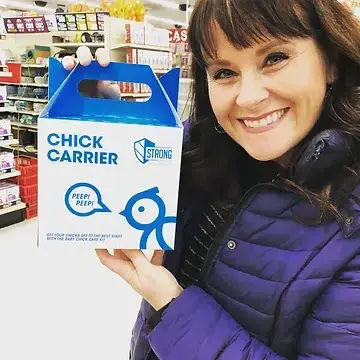
Once you’ve settled on the breed or breeds you want, you have several ways to get them: order directly from a hatchery, buy from a local farm store, or go through a breeder. Some keepers even hatch their own from fertile eggs in an incubator. Which option is available to you often depends on the time of year, since farm stores stock chicks mainly in spring while hatcheries ship across a longer season. Hatcheries usually have a minimum order, while farm stores will sell just a few, which matters if your ordinance limits you to a small flock.
Not sure which breed is right for you?
Browse our complete breed guides to find the perfect match for your flock goals, climate, and lifestyle.
Step 4: Set Up the Brooder Before You Bring Chicks Home
This is the step that catches new keepers off guard. Have the brooder fully set up and warm before you pick up your chicks, not after. At minimum you’ll need chick starter feed, a waterer, a heat panel or heat lamp, and the brooder itself. Plan for about 2 square feet of space per chick.
The brooder can be as simple as a large tote or cardboard panels; many keepers line a tote with puppy pads for a non-slip surface, which helps prevent leg problems in young chicks. Our guide to setting up and maintaining a chick brooder covers the full setup step by step.
A handy tip for pickup day: many farm stores sell a baby chick care kit stocked right next to the chicks, with the essentials to get your birds through their first month. The Baby Chick Care Kit is an easy way to make sure you don’t forget anything on that exciting, slightly chaotic first trip.
Step 5: Have the Coop Ready Before They Outgrow the Brooder
Chicks grow fast, so your coop needs to be ready before they’re big enough to move into it. Space matters here just as much as in the brooder:
- Coop: about 4 square feet per bird
- Run: about 10 square feet per bird is recommended
An enclosed run is well worth it, especially if you live somewhere with predators, since it gives birds room to roam while keeping them safe. Our guide to setting up your chicken coop covers the essentials, from bedding to nest boxes, and a well-built chicken coop gives you a solid starting point.
Step 6: Plan for Integration (If You Already Have a Flock)
If you’re adding to an existing flock rather than starting from scratch, don’t just turn the newcomers loose with the older birds. Pecking order is a real and sometimes brutal thing, so integration has to be done gradually and safely to avoid injuries. Our guide to integrating your chicken flocks walks through a proven, low-stress method for introducing new birds.
One Last Thing: Handling Chicks Safely
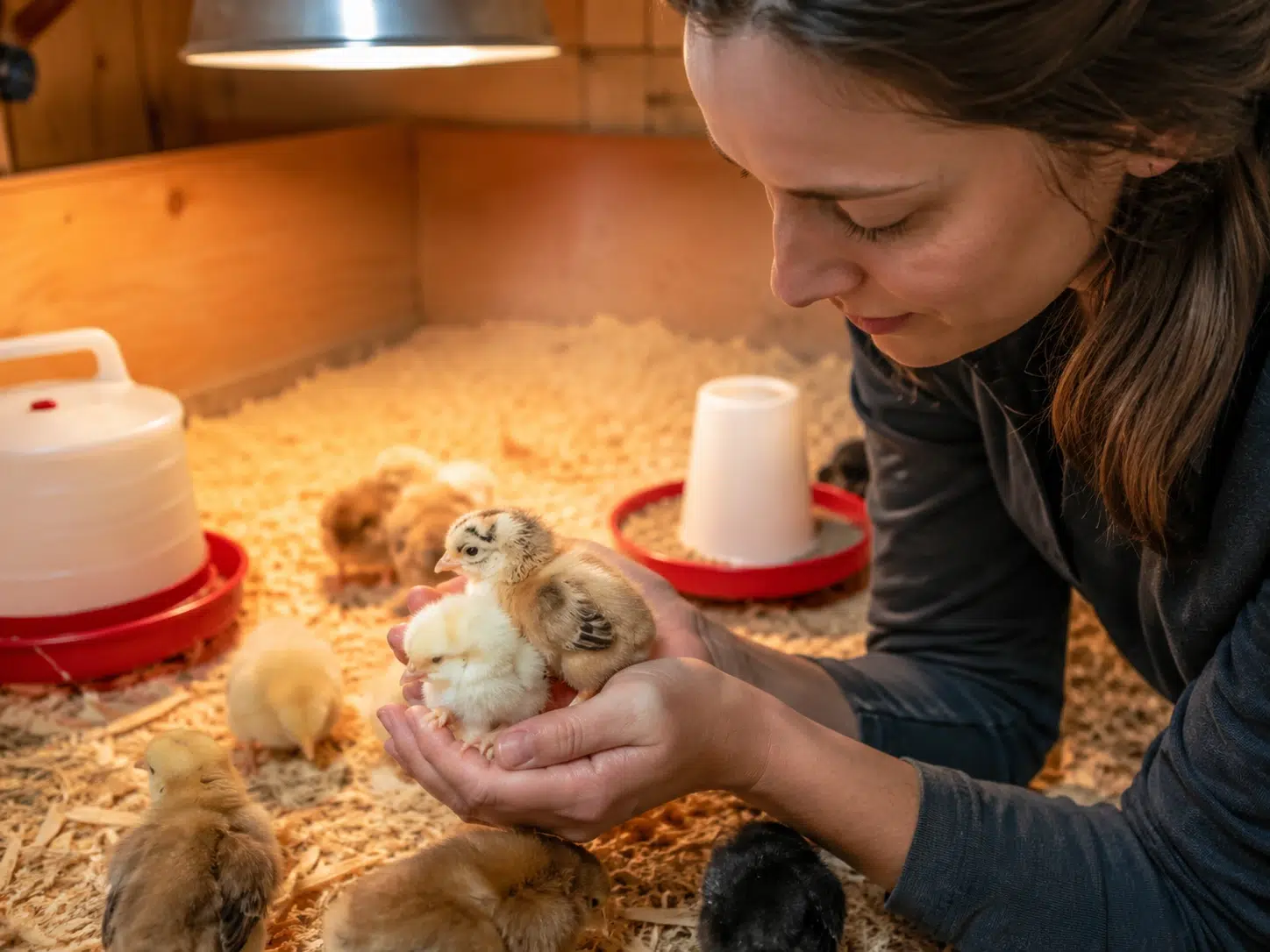
Baby chicks are irresistible, and everyone will want to hold them, which is wonderful. Just build in one habit from day one: everyone washes their hands with warm, soapy water after handling the chicks, since chicks can carry salmonella. This matters most with young children. Our guide to salmonella prevention for backyard flocks covers safe handling in more detail.
Frequently Asked Questions
What do I need before buying baby chicks?
Before you bring chicks home, confirm your local ordinances allow them, decide which breeds suit your goals, and fully set up a warm brooder with chick starter feed, a waterer, and a heat source. Plan for about 2 square feet per chick in the brooder, and have your coop ready before the chicks outgrow it. Setting everything up in advance is the key to a strong start.
How much space do baby chicks need?
Chicks need about 2 square feet each in the brooder. As they grow into adults, plan for roughly 4 square feet per bird in the coop and about 10 square feet per bird in the run. Adequate space prevents stress, bullying, and health problems throughout their lives.
Where is the best place to buy chicks?
You can buy chicks from a hatchery, a local farm store, or a breeder, or hatch your own from fertile eggs. Farm stores are ideal for small flocks because they sell just a few birds and let you see them in person, while hatcheries offer more breeds but usually have minimum orders. Availability often depends on the time of year, since farm stores stock chicks mainly in spring.
Do I need to check local laws before getting chickens?
Yes, always check your local ordinances first. Many areas limit how many chickens you can keep, some restrict or ban roosters, and others require permits. Checking before you buy prevents the heartbreak of having to rehome birds you have already grown attached to.
When should the coop be ready?
Your coop should be ready before your chicks outgrow the brooder, which happens faster than most first-time keepers expect. Chicks are typically ready to move out once they are fully feathered, usually between 5 and 8 weeks. Having the coop and run finished ahead of time avoids a scramble later.
Bringing home your first chicks is one of the most exciting parts of backyard chicken keeping, and a little preparation makes it go smoothly. Check your local rules, pick breeds that fit your goals, set up the brooder before pickup day, get the coop ready in time, and plan for safe integration if you already have birds. Do that, and you’ll be set to enjoy your new feathered family members from the very first day.
Ready to bring home your first chicks?
Hoover’s Hatchery ships healthy, vaccinated chicks straight to your door, with over 100 breeds and care guidance for every step from brooder to coop.