No one knows exactly how many chicken breeds exist. There are hundreds, and possibly thousands. The Hoover’s Hatchery catalog alone lists at least 100 breeds, and a few new ones get added every year. There are heritage breeds, modern hybrids, specialty egg layers, broilers, and a handful of oddballs that don’t fit neatly into any category at all. So with that many options in front of you, how does a family pick the best chicken breeds for a backyard flock? It can feel overwhelming. The good news is that choosing is genuinely one of the most fun parts of keeping chickens, and a simple framework makes it easy.
New to backyard chickens?
FlockJourney is your go-to resource for flock care, breed guides, and poultry tips straight from the experts at Hoover’s Hatchery.
Start With Your Goals, Then Let Emotion In
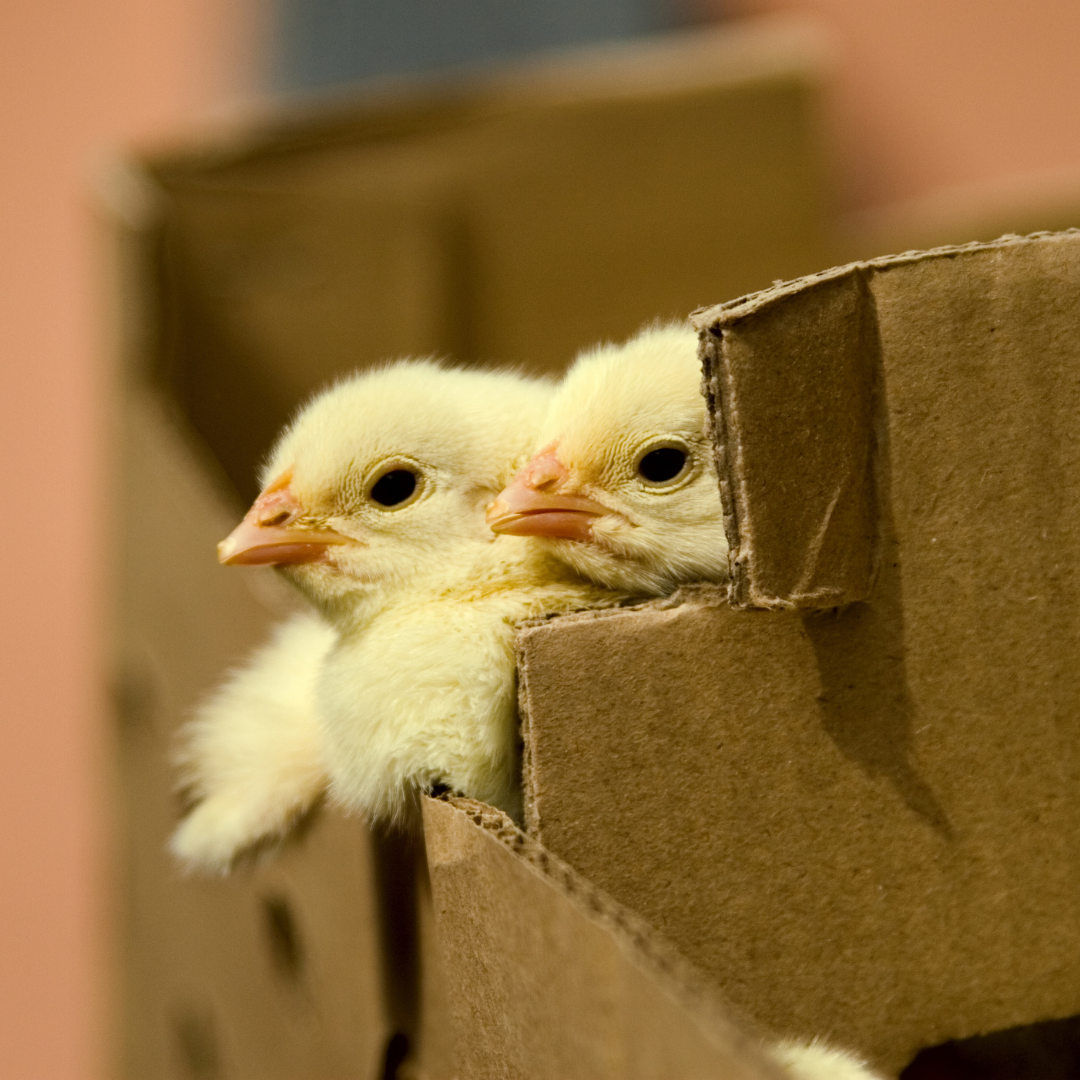
Most backyard keepers replace a few older hens each spring with six or seven new chicks. The practical side of the decision is straightforward: you need a steady supply of eggs. But emotion always comes into play, and that’s not a bad thing. Keepers choose breeds because they love a bird’s color, its personality, its temperament, or even its ancestry. The happiest backyard flocks tend to be a mix of productive birds that are also colorful and fun to watch.
One practical tip before you order: buy a chick or two more than you strictly need. Losses happen, and a small buffer keeps your mature flock from coming up short. Trying a few new breeds each year also keeps the hobby fresh, and it’s how most keepers discover their eventual favorites.
A Sample Spring Order: Seven Chicks, Seven Reasons
Here’s what a well-balanced order might look like, and more importantly, the thinking behind each pick. Use it as a template rather than a shopping list:
- A rugged, reliable layer. A New Hampshire Red is tough and productive. Many keepers also pick a breed simply because it connects to where they’re from, and there’s nothing wrong with that.
- A king-sized bird. A Jersey Giant brings impressive size along with good laying.
- A laying workhorse. An ISA Brown, Australorp, Rhode Island Red, or a Hoover’s hybrid like an Amberlink or Black Sex Link will carry your egg basket.
- A gentle giant. A Brahma is huge, calm, and gorgeous, and hard not to love.
- An elegant centerpiece. A Buff Orpington or Buff Cochin tends to become the golden star of the flock.
- Something new to you. A Sussex or a Buckeye stretches your experience a little each year.
- A pure oddball. A dark-egg-laying Maran or a delightfully silly Salmon Faverolles. Distinctive birds are simply fun.
That mix gives you dependable eggs, striking variety, and a reason to look forward to walking out to the coop every morning. If the idea of a visually varied flock appeals to you, our guide to building a rainbow flock takes the concept further.
Not sure which breed is right for you?
Browse our complete breed guides to find the perfect match for your flock goals, climate, and lifestyle.
Which Breeds to Skip
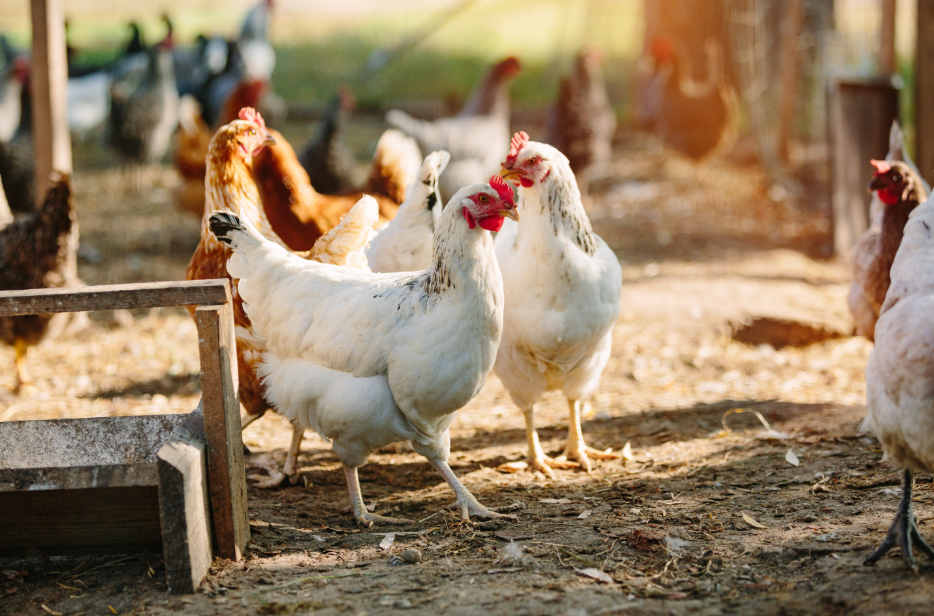
Narrowing down is just as useful as picking. Many family keepers rule out two categories right away.
Broilers are the first. They’re bred for meat, and if you have no intention of butchering birds you’ve grown attached to, they simply aren’t the right fit for your yard. Second, white egg laying breeds tend to be noisier and more nervous than the placid brown egg layers most families prefer. That said, this isn’t an absolute rule. A California White is an industrious white egg layer with a noticeably calmer disposition than a Leghorn, and it makes a fine addition if you want white eggs in the basket. You can compare the full range of white egg layers if that appeals to you.
Tips for Buying Chicks From a Farm Store
One of the best places to buy Hoover’s chicks is a farm store, though the name can be misleading. Hoover’s ships chicks to hundreds of farm stores, and many of them sit in suburbs and cities far from any actual farm. There’s very likely one near you. Farm stores are a great starting point for several reasons:
- Expert help. Experienced salespeople guide customers toward breeds that suit their situation.
- Small quantities. Many cities only allow four or six hens. Hatcheries shipping direct usually require a minimum order of around 15 chicks, while a farm store will happily sell you just a few.
- See before you buy. You can look at the chicks in the store’s brooders and choose the ones you want.
- One stop shopping. Stores stock feed, feeders, grit, and the other supplies that set a new flock up for success.
It pays to arrive with a little breed knowledge. Most farm stores keep breeds in separate labeled brooders, but sometimes several breeds share one brooder and even the salesperson can’t tell them apart. There’s an easy fix: the Hoover’s website includes photos of chicks for many breeds, so you can pull up a photo on your phone and match it against the birds in the brooder. Once your chicks are home, our baby chick care guides will help you get them off to a strong start.
Frequently Asked Questions
How do I choose the best chicken breeds for my backyard flock?
Start with your practical goal, which for most families is a steady supply of eggs, then choose breeds you genuinely enjoy looking at and being around. A good approach is to build a mix: a couple of reliable laying workhorses, one or two calm, attractive birds, and one new or unusual breed each year. Also check your local ordinance, since many cities limit backyard flocks to four or six hens.
How many chicks should I order?
Order a chick or two more than you actually need. Losses occasionally happen with young birds, and the small buffer keeps your mature flock from coming up short. Most families replace six or seven birds each spring as older hens stop laying.
Is it better to buy chicks from a farm store or order online?
Farm stores are ideal for small backyard flocks. Hatcheries that ship directly usually require a minimum order of around 15 chicks, while a farm store will sell you just a few, which matters if your city limits you to four or six hens. Farm stores also let you see the chicks in person and pick up feed and supplies in the same trip.
Are white egg layers a bad choice for backyard flocks?
Not at all, though white egg laying breeds do tend to be noisier and more nervous than brown egg layers, which is why many families prefer the calmer browns. If you want white eggs, the California White is a good compromise: it lays industriously and is noticeably calmer than a Leghorn. It comes down to whether you value a placid flock or the variety of a mixed egg basket.
How many chicken breeds are there?
No one knows the exact number, but there are certainly hundreds and possibly thousands worldwide. The Hoover’s Hatchery catalog alone lists at least 100 breeds, and new ones are added each year. These range from heritage breeds and modern hybrids to specialty egg layers, broilers, and unusual birds that defy easy categorization.
When winter’s snow swirls outside, plenty of keepers pass the time browsing seed catalogs and planning the spring garden. Browsing chicken breeds is just as much fun, and every bit as rewarding. Take your time, pick a few birds that make you smile alongside the ones that fill the egg basket, and you’ll build a flock you look forward to every single morning.
Ready to plan your spring order?
Hoover’s Hatchery offers over 100 breeds, with healthy, vaccinated chicks shipped straight to your door or available at a farm store near you.