Newcomers to chicken keeping take real pride in their first coop. Some are simple and functional; others, built by people who love design and carpentry, end up downright elaborate, matching the architecture of the house so the hens live in genuinely classy digs. But no matter how comfortable and attractive your main coop is, having a second, backup coop ready for instant use is one of the handiest things a keeper can have on hand. It doesn’t get used all the time, and it doesn’t need to be big, expensive, or elaborate. It just needs to be there when you suddenly need it. Here are the three situations where a spare coop earns its keep, and how to put a cheap one together.
New to backyard chickens?
FlockJourney is your go-to resource for flock care, breed guides, and poultry tips straight from the experts at Hoover’s Hatchery.
Use 1: The Recovery Hospital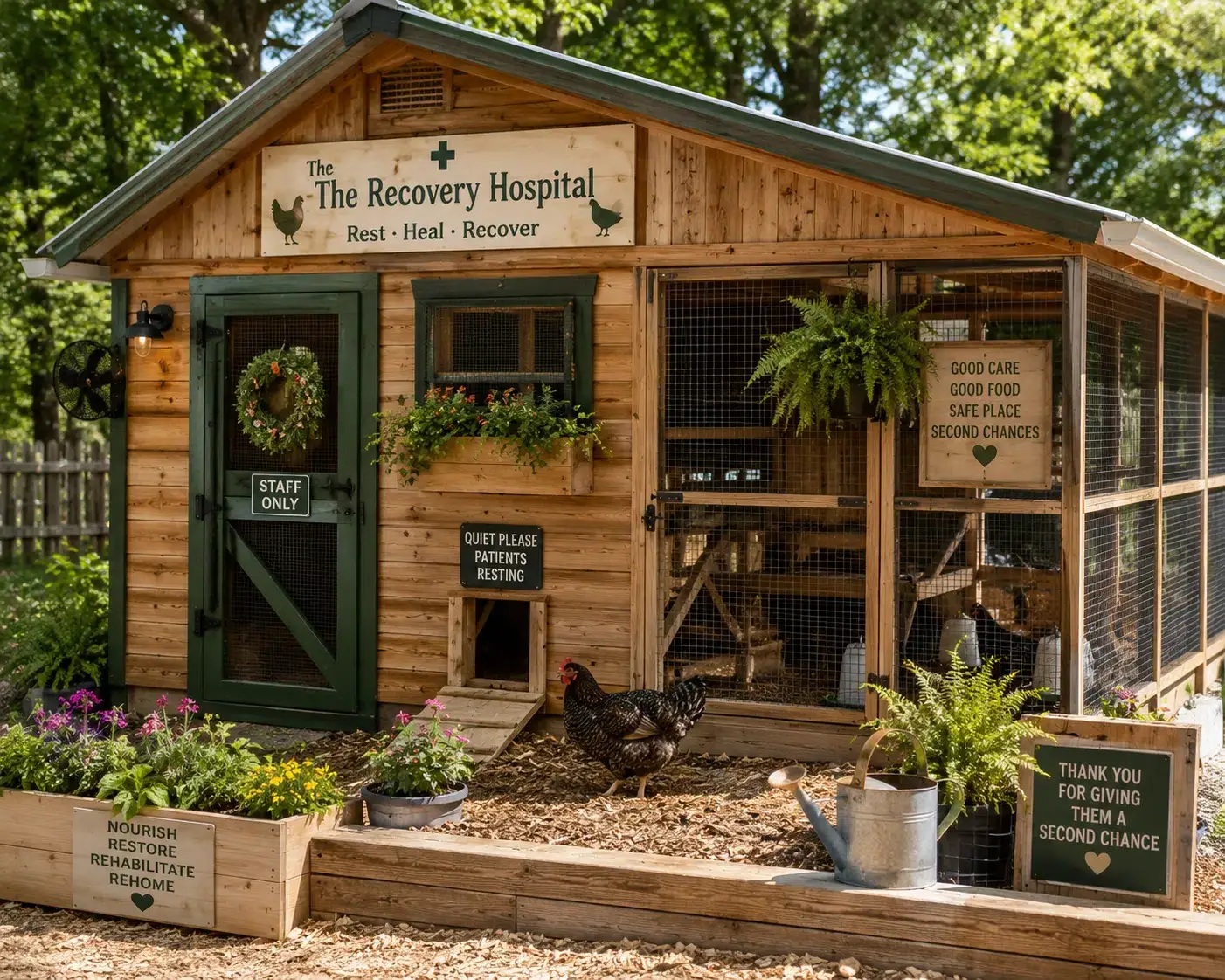
Given good food, clean water, and safe, roomy living quarters, chickens are remarkably healthy. Still, every so often a bird gets sick or injured and needs to be separated from the flock. That’s when a second coop becomes a recovery hospital.
A sick hen usually gives herself away: she’ll be listless, tuck into a quiet corner, and sometimes stand in a hunched, humped posture, looking dejected. She may also be carrying something contagious that threatens the rest of the flock, which makes isolation important on two fronts, her recovery and their protection.
An injured bird needs separating for a different reason. Chickens can be downright merciless toward an injured flockmate, pecking relentlessly at an open wound and sometimes making it far worse or even killing the bird. Any injured or ill chicken should be removed promptly and kept apart until she recovers. If the wound is minor or the illness mild, the quiet of a second coop gives her space to heal. A serious injury or illness warrants a trip to the vet, and a private recovery spot afterward is ideal. Wounds also attract flies, so a clean, protected recovery area helps guard against complications like flystrike, which is worth knowing the signs of.
Use 2: The Isolation Coop for New Birds
The principle here is simple: if a microbe can’t reach your flock, it can’t make them sick. When you bring in new birds, whether given by a friend or bought at a poultry show, there’s always a risk. An outside bird can look perfectly healthy while quietly harboring a disease that could sweep through your whole flock.
The safe practice is to keep new birds isolated for about a month before introducing them to the main flock. If no illness appears in that window, it’s likely safe to integrate them. Because distance is what provides protection from infection, set the isolation coop up in a separate building, as far from your main flock as you reasonably can.
Once the quarantine period is up and the newcomers have a clean bill of health, introducing them still takes a gradual, careful approach. Our guide to integrating your chicken flocks walks through the step-by-step method for doing it without injuries.
Use 3: The Nursery for Growing Chicks
The third use is raising up replacement birds. Flock owners often buy chicks to eventually take over from aging hens, but dropping small chicks straight into a flock of adults tends to lead to bullying of the newcomers.
A second coop solves this by serving as a nursery. Once chicks have outgrown the brooder and grown in their feathers, move them to the second coop and let them live there until they reach close to full size. Then introduce them to the main coop after dark, when the older hens are asleep and less territorial. Timing the move out of the brooder matters here, and our guide to how long chicks should stay in the brooder covers when they’re ready for that next step.
Not sure which breed is right for you?
Browse our complete breed guides to find the perfect match for your flock goals, climate, and lifestyle.
How to Make a Simple, Inexpensive Spare Coop
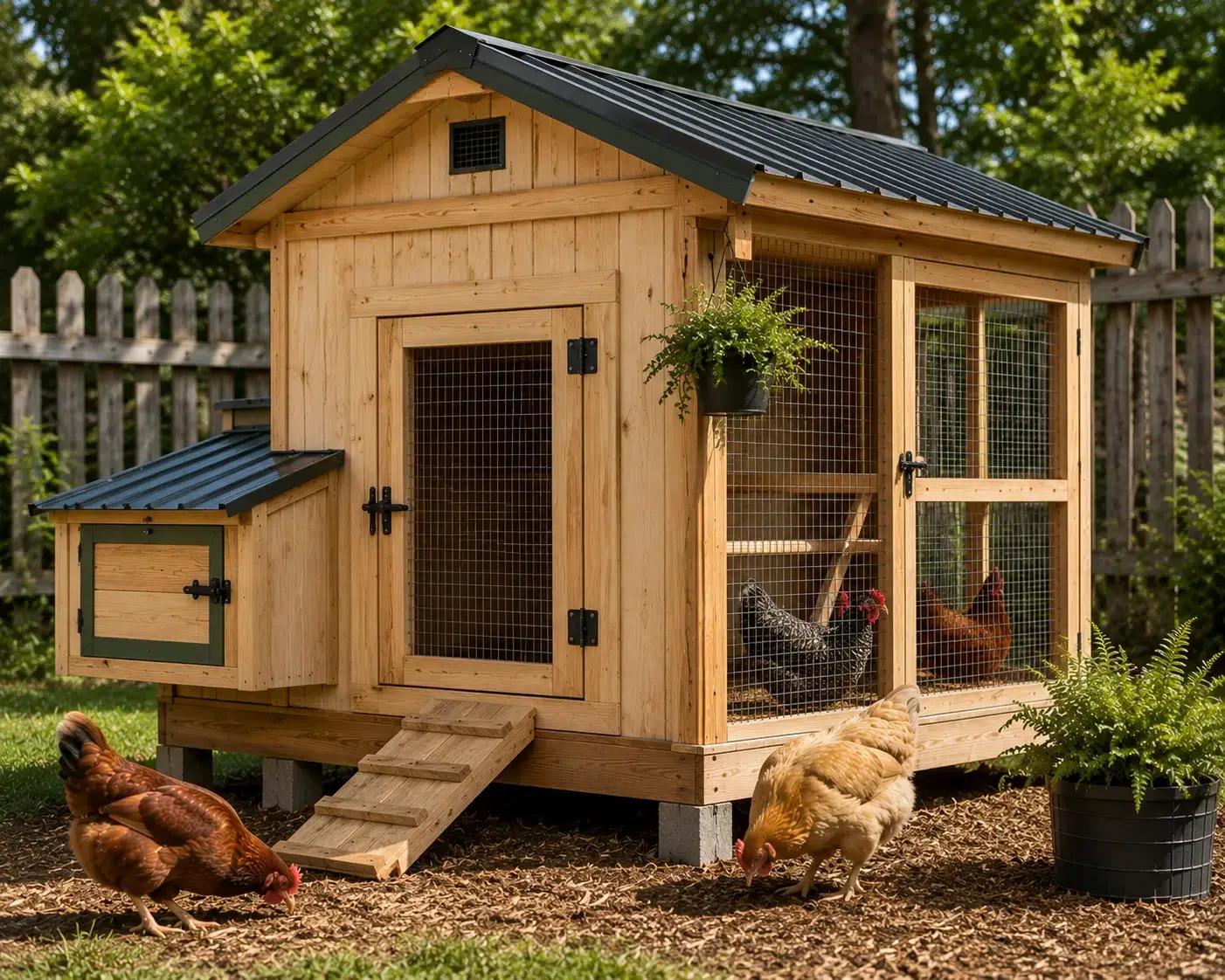
Few families have room to keep a full extra coop sitting around for occasional use, and the good news is you don’t need one. Several everyday options work in a pinch:
- A large doghouse, garden shed, or garage, though Fido or the car may have to be relocated for a while.
- A large pet transporter or dog crate, which makes fine temporary housing for one or two injured birds.
- A folding wire panel enclosure, the most flexible option, described below.
That last one takes almost no storage space. Stiff wire mesh panels, sold at chicken and pet supply stores to temporarily confine animals, usually come in sets of eight that clip or wire together. Stand them in a square or octagon and they hold themselves upright with no extra support; just fasten the two ends together with soft wire, clips, or cable ties. A sheet of quarter-inch plywood or wire screening laid on top makes a roof that keeps birds from hopping out.
One critical caveat: a wire-panel coop will not protect birds from predators or weather, so it must be set up inside a garage or shed, never out in the open. Whatever style you choose, birds in the second coop need exactly what the main flock needs: clean water, nutritious food, daylight, a roost, and protection from predators and the elements. On that last point, our guide to protecting your backyard flock from predators is worth a read.
A handy tip: keep a spare feeder and waterer stored alongside your backup coop so the whole setup can go from storage to functional in minutes. When the recovered bird rejoins the flock or the young hens graduate to the main coop, a temporary enclosure disassembles, folds flat, and tucks away until next time.
Frequently Asked Questions
Why would you need a second chicken coop?
A backup coop is useful in three main situations: as a recovery hospital for a sick or injured bird that needs isolation, as a quarantine coop for new birds before they join the flock, and as a nursery where young chicks grow until they are big enough to integrate. It does not need to be large or expensive, just ready when needed.
How long should you quarantine new chickens?
Keep new birds isolated from your existing flock for about a month before introducing them. This gives any hidden illness time to appear before it can reach your main flock. For the best protection, set the isolation coop up in a separate building as far from the flock as possible.
Why do you need to separate an injured chicken?
Chickens can be aggressive toward an injured flockmate, pecking mercilessly at an open wound and sometimes making it much worse or even killing the bird. Removing an injured or sick chicken to a quiet second coop protects it from the flock and gives it space to heal. It also isolates any illness that might be contagious.
How do you build a cheap backup chicken coop?
The simplest option is a folding enclosure made from stiff wire mesh panels sold at pet and farm stores, joined into a square or octagon with a plywood or screen roof. A large dog crate, doghouse, garden shed, or garage also works temporarily. Wire-panel enclosures do not stop predators or weather, so they must be set up inside a garage or shed.
When can chicks move from the nursery to the main coop?
Move chicks to a nursery coop once they have outgrown the brooder and grown their feathers, then let them stay there until they are close to full size. Introduce them to the main flock after dark, when the older hens are asleep and less territorial. Gradual integration reduces bullying of the newcomers.
A beautiful, secure main coop is the heart of successful chicken keeping, but a humble spare coop tucked away in the garage is one of those quietly brilliant additions you’ll be grateful for the moment a hen turns up injured or a friend offers you a few new birds. Keep one ready, along with a spare feeder and waterer, and you’ll be prepared for whatever your flock throws at you.
Setting up your main coop?
A secure, well-built main coop is the foundation of a healthy flock. Explore durable, easy-clean chicken coops from Hoover’s Hatchery, sized for backyard flocks of every kind.