If you are looking for a simple way to celebrate the holiday with the little ones, this green eggs and ham recipe is about as fun as it gets. It pairs a beloved childhood book with a colorful breakfast that turns an ordinary morning into a memory. Whether the kids are home from school, helping you in the kitchen, or just bouncing off the walls and in need of a project, this St. Patrick’s Day activity keeps little hands busy and bellies happy. Best of all, you probably already have everything you need sitting in your fridge.
New to backyard chickens?
FlockJourney is your go-to resource for flock care, breed guides, and poultry tips straight from the experts at Hoover’s Hatchery.
Start With Story Time: Read Green Eggs and Ham
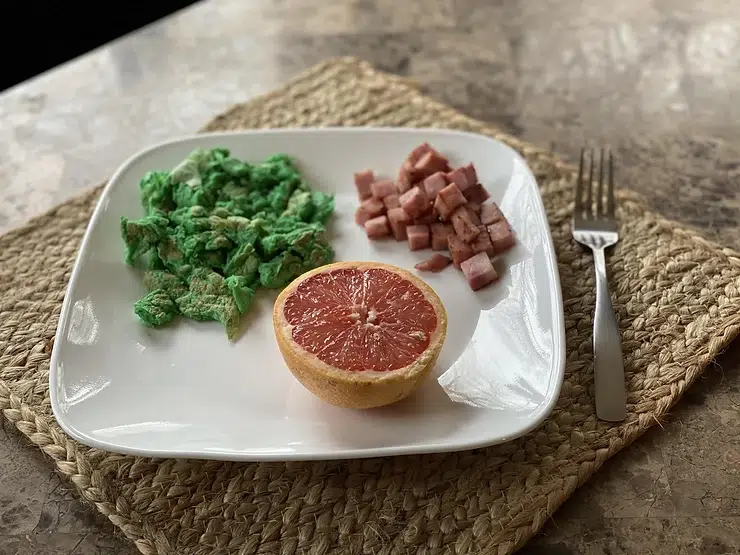
Before you crack a single egg, gather everyone for a quick read of the Dr. Seuss classic, Green Eggs and Ham. It is short, silly, and full of the kind of rhymes that kids love to shout along with. Reading the book first sets the stage and builds anticipation, so when you surprise them with the real thing afterward, the connection clicks instantly. Story time costs you about ten minutes and earns you a kitchen full of curious little chefs. For families with backyard flocks, it is also a sweet way to remind kids that the eggs in the book come from real hens, just like the ones in your coop.
How to Make Green Eggs and Ham
This recipe is intentionally low-stress, which is exactly what you want when small helpers are involved. You only need a handful of basic ingredients to pull it off.
Here is what to grab:
- Eggs (farm-fresh from your own flock are wonderful here)
- Spinach or a single drop of blue food coloring
- Salt
- Pepper
- Cheese
- Ham, cubed or diced
Start by blending your eggs with either fresh spinach or food coloring until the color comes through evenly. Once your eggs are good and green, fry them up exactly the way you normally would, season with salt and pepper, and add a little cheese if your crew likes it. Toss the cubed ham into the same pan to fry alongside the eggs so everything finishes together. The entire dish comes together in under fifteen minutes, which makes it a perfect weekday breakfast or a quick anytime treat.
Two Easy Ways to Turn Your Eggs Green
There are two reliable methods for getting that festive green color, and each has its own little perk. The first is fresh spinach blended right into the eggs. This is the sneaky-healthy route, because you fold a serving of leafy greens into breakfast and most kids never notice a thing. The second method is a single drop of blue food coloring. It seems backward until you remember a little color theory: yellow plus blue makes green, and since egg yolks are already yellow, one drop of blue does the trick. According to color basics every grade-schooler eventually learns, blue and yellow always combine to create green, which turns this recipe into a tiny science lesson disguised as breakfast.
Not sure which breed is right for you?
Browse our complete breed guides to find the perfect match for your flock goals, climate, and lifestyle.
Want Naturally Colored Eggs? Meet the Hens That Lay Them
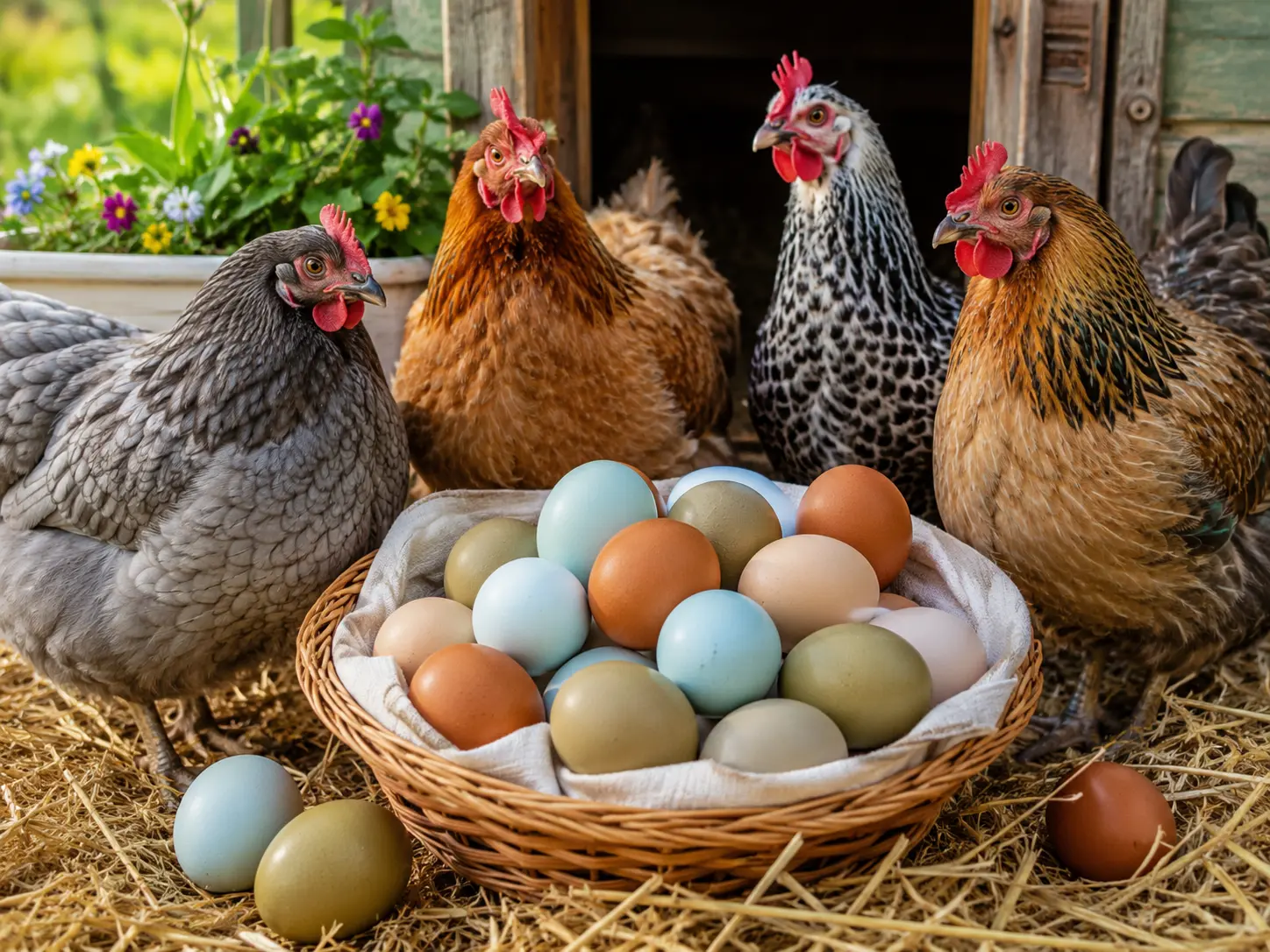
Here is a fun twist for the chicken-keeping families out there: you do not always need food coloring to get colorful eggs. Some hens lay them that way straight from the nesting box. Breeds known as colored egg layers produce shells in shades of blue, green, and everything in between, no kitchen science required. The famous green and blue eggs usually come from Easter Egger chickens, a hardy, friendly favorite that lays a surprise rainbow across the flock. Olive Eggers, a cross that pairs a dark brown layer with a blue layer, produce gorgeous mossy-green shells that look made for St. Patrick’s Day. If you want to learn which hens lay what, our guide to colored egg layer breeds breaks down the genetics in plain language. Egg shell color is determined entirely by the breed of the hen and never affects the taste or nutrition inside.
More Easy Egg Activities for Kids
Once your kids get a taste of cooking with eggs, they tend to want more. A great next project is our fluffy cloud egg recipe, which lets little hands whip the egg whites into puffy clouds before baking. If you are raising your kids alongside a backyard flock, you will find even more ideas in our collection of posts about getting kids involved with poultry, from collecting eggs to caring for chicks. These kinds of hands-on activities teach responsibility, patience, and a little bit of where-food-comes-from wisdom, all while having fun. Cooking together is one of the simplest ways to turn an ordinary day into something the whole family remembers.
Frequently Asked Questions
How do you make green eggs and ham for kids?
Blend your raw eggs with either fresh spinach or one drop of blue food coloring until the color is even, then fry them as you normally would with salt, pepper, and a little cheese. Fry cubed ham in the same pan so it finishes alongside the eggs. The whole dish takes under fifteen minutes and uses ingredients most families already have on hand.
Why does blue food coloring make eggs green instead of blue?
Egg yolks are naturally yellow, and yellow combined with blue creates green. So when you add a single drop of blue food coloring to the eggs, the color mixing happens right in the pan. It is a simple and reliable trick that doubles as an easy color-theory lesson for kids.
Can I make green eggs without food coloring?
Yes, fresh spinach blended into the eggs gives them a natural green tint without any dye. This method also sneaks a serving of leafy greens into the meal, which most children never notice. Some backyard hens, such as Easter Eggers and Olive Eggers, even lay naturally green and blue eggs straight from the coop.
Are green eggs safe to eat?
Absolutely. Whether the color comes from spinach, a drop of food coloring, or a naturally green-laying hen, the egg inside is completely normal and safe. Shell or coloring changes do not affect the taste, texture, or nutrition of the egg.
What chicken breeds lay green eggs?
Easter Eggers are the most common source of green and blue eggs, and Olive Eggers lay a deeper mossy-green shell. Both fall under the broader colored egg layer category, where breed genetics determine the shade. The color is purely cosmetic and never changes what the egg tastes like.
So this St. Patrick’s Day, slow down, read a silly book, and whip up a plate of green eggs and ham with the kids. It is a small thing that makes for a big memory, and it is a reminder that the best family moments are usually the simplest ones. Stay healthy, stay safe, and happy cooking from all of us at FlockJourney.
Ready to start your flock?
Hoover’s Hatchery ships healthy, vaccinated chicks straight to your door from hatcheries across the US. Over 200 breeds available, including the colorful egg layers your kids will love.