We didn’t let our kids enter the house with muddy feet. Playing in the snow and mud puddles is a fun and educational kid activity. We encouraged it, but muddy boots came off in the garage before stocking-footed youngsters came inside for hot chocolate and a cookie.
The same rule applies to our chickens. Mud is wet. It makes a coop mess, and moisture fosters disease. We like our flock to spend time outside so here are things we do to let the chickens enjoy the outdoors while keeping mud and water out of the coop’s interior.
Sometimes We Keep Them Inside
The easiest way to keep chickens from tracking mud and water into the coop is to just keep the pop hole door closed on rainy days. The birds have to stay inside until the run dries out. It works, but chickens love their outdoor time so we prefer alternatives.
Sand
We’re lucky. Our house and chicken run are perched high on an ancient sand dune. It makes gardening challenging because even a heavy rain quickly percolates down into sand that dries quickly. Our former house and chicken run were on heavy clay soil. Puddles formed after even a light rain. Muddy chicken feet would track water and dirt into the coop.
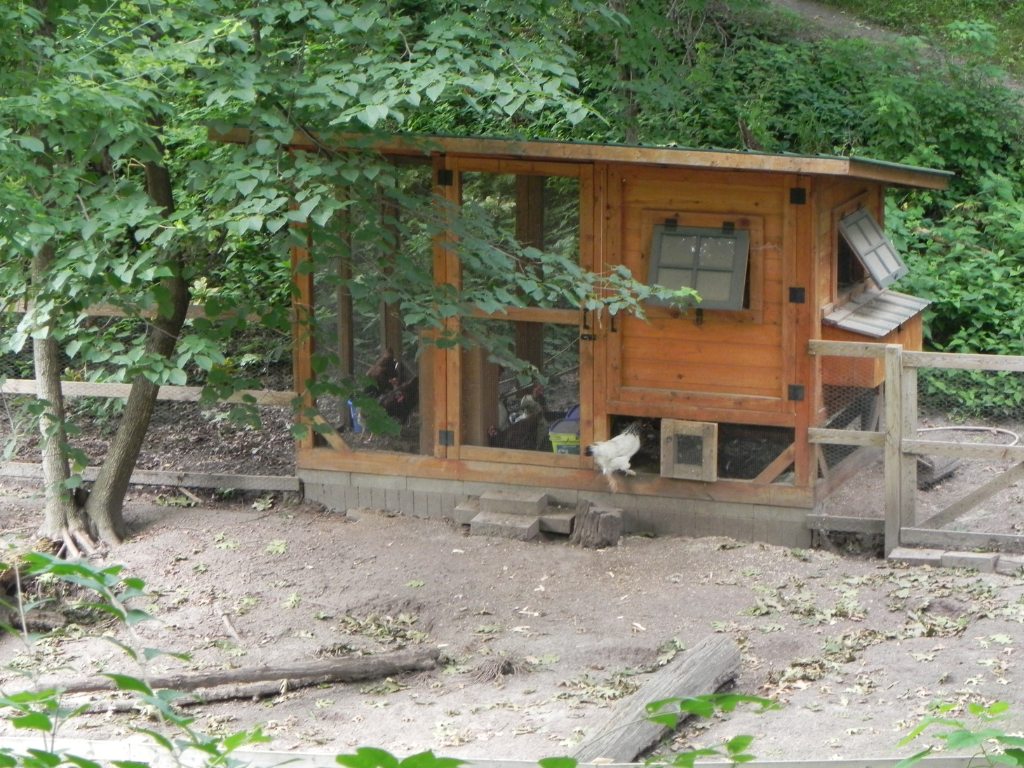
The solution was easy. For our small run we bought a dozen bags of sand at a home store. It’s called either traction or play sand. Spreading a couple of inches of it on top of the heavy soil eliminated puddles unless we had prolonged rain.
Sand has a second benefit. Hens need to swallow grit that settles in their gizzards and helps them grind food. They’ll pluck grit from the sand.
Adding bags of sand to the run creates chicken curiosity and keeps the soil surface dry.
Vegetation
Hens and green plants go together like hand and glove. A thick grassy mat that carpets a run’s ground keeps feet mud free and does more. Tender grass shoots are an epicurean delight to hungry chickens. Color within leaves transforms egg yolks from pale yellow to bold orange.
Greenery in the run provides chicken vegetables. Bugs lured to the plants are snapped up by hungry chickens, adding protein. A vegetated run can provide so much flock food that they eat commercial feed sparingly in the summer. That reduces cost.
Getting a thick growth of plants to persist in a run is tricky. If many chickens share a small run, it’s almost impossible to get anything to grow. Even the tiniest green sprout will be gobbled up by a hungry hen. We’ve found a few ways to keep our run green.
Space is first. The bigger the run the better. Our 15 chickens enjoy a fenced in run of about 3,150 square feet. Even with all that space the birds keep it well grazed.
Planting is our second strategy. Every spring we seed the run to a mixture of plants of two general types: Those plants that chickens love to eat like grass, radish, and clover and plants they refuse to eat, especially buckwheat. Buckwheat loves summer’s heat and produces white blossoms that attract insects from far and wide. The chickens refuse to eat the plant but snatch up the bugs attracted to it. We also tolerate weeds that welcome themselves to the run but chickens won’t eat.
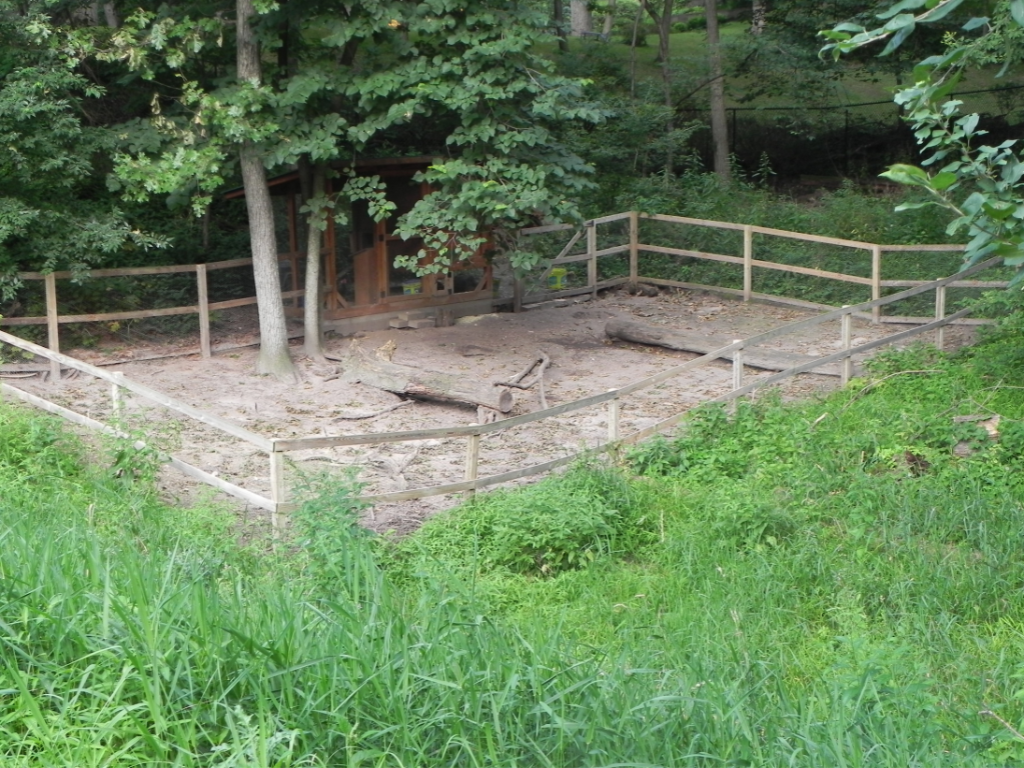
There’s a problem with seeding a run. If they get a chance chickens gobble up the seeds. We have two runs, so we plant one and only let the chickens into the second one until we get good plant growth in the other. Then we reverse it by letting the hens graze in the green run and plant the one they had been in. Most people don’t have two runs but stretching a fence of chicken wire to split the run in two works. Let the hens enjoy one side while the other is greening. It’s rotation grazing.
Buying Seed
Finding grass seed in garden and hardware stores is easy. We stick with inexpensive annual ryegrass. Farm stores that sell baby chicks usually also sell seeds for hunters to plant that attract deer. Often these mixes contain clover, radishes, turnips, and oats.
They work well in chicken runs.
Several large seed companies also sell bulk seeds at decent prices. They make it easy to purchase just the right quantity and varieties of different seeds. Our favorites are Albert Lea Seeds at alseed.com and Ernst Seed at ernstseed.com.
Managing a flock’s outside run keeps the dirt dry. No mud. That lets the chickens enjoy being outside most days without tracking a mess into the coop.