
Quick answer
Splayed leg (spraddle leg) is when one or both of a chick’s legs point outward instead of under the body, usually from weak or injured tendons. Common causes are slippery brooder floors, hard hatches and incubator problems. Add traction, gently hobble the legs under the body early, and call a poultry-experienced veterinarian if the chick does not improve.
A number of years ago, I hatched a small group of Silkies in an incubator. That was an experience in and of itself, so fun and honestly, a little stressful. It always makes me wonder in awe how mama hens do it so naturally. Chicks need just the right temperature and humidity to hatch. It’s incredible.
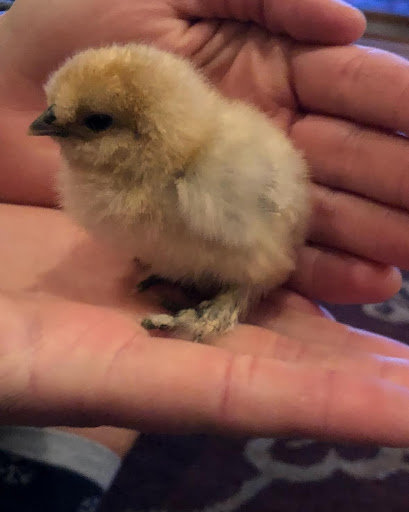
All of my Silkies hatched healthy and spunky except one little lady I named Bleu. Bleu had a harder time during hatch and ended up with splayed leg.
What is Splayed Leg in Chicks?
Splayed leg (sometimes called spraddle leg) is when one or both legs point outward instead of being positioned under the chick’s body. It’s usually caused by weak or injured tendons in the hips or legs. If left untreated, it can become permanent and make it nearly impossible for a chick to live a normal life.
Bleu only had one splayed leg, but it gave her enough trouble that I knew I needed to act. She struggled to move around the brooder and the other chicks started picking on her because she couldn’t keep up.
What Causes Splayed Leg in Baby Chicks?
Splayed leg can happen for a few reasons, and knowing the cause helps prevent it in future hatches.
Common causes include:
-
Slippery brooder surfaces (very common)
-
Difficult or assisted hatches
-
Weak tendons at hatch
-
Incubator humidity or temperature issues
One of the easiest ways to prevent splayed leg is making sure your brooder has a non-slip surface. I personally use puppy pads underneath pine shavings and it works great for traction.
How Do You Fix Splayed Leg in Chicks?
Bleu was born with splayed leg, so I made a simple homemade brace using a straw and vet wrap. It was incredibly easy and after just a couple of days, her leg started correcting.
There are a few ways to make a chick leg brace using items you probably already have at home:
-
A straw and vet wrap (my go-to)
-
A Q-tip and vet wrap
-
A small dowel rod
-
Pipe cleaners
If DIY isn’t your thing, there are also pre-made chick hobbles available online.
The key is gently positioning the legs under the chick’s body and allowing them time to strengthen naturally.
A Hard Lesson From Raising Chicks
I got really attached to Bleu and it became my mission to help her live a full, normal life. I made the brace, gave her extra care and attention and did everything I could.
Sadly, about a week later, I found Bleu lifeless in the brooder. I’m not sure what happened, and to be honest, I cried. I was so sure we’d have a happy ending to share someday.
But that’s part of raising backyard chickens. There are really fun days full of life, and there are days when we have to say goodbye to our feathered friends. It’s all part of the journey.
Why Else Can’t a Baby Chick Walk?
If you have a chick that can’t stand or walk, splayed leg isn’t the only possibility.
Other causes can include:
-
Vitamin deficiencies
-
Injury during hatch
-
Rough brooder conditions
This is why I never start baby chicks without the Baby Chick Care Kit. Chick E-lixir and First Peep help make sure my chicks are getting the nutrients they need for a strong start. I’ve had a great track record for healthy chickens, and I attribute a lot of that to being proactive early on.
If you suspect an injury, it’s best to separate the chick so they can heal safely. Chicks can be surprisingly rough as they establish pecking order, even at a young age.
A trick I like is placing the injured chick in a clear tote inside the brooder. That way they can still see and hear the others, and reintegration is much easier once they’re healed.
When Should I Step In if My Chick Struggles to Walk?
If you notice a chick struggling to walk, try not to panic. Take a breath, assess what you’re seeing and then take action. Many chick leg issues are fixable when caught early.
Do a little research, trust your instincts and don’t be afraid to try simple solutions first. Backyard chicken keeping comes with a learning curve, but every challenge teaches you something new.
And sometimes, those lessons stick with you in ways you never expect.
Until next time,
– The Wing Lady
Frequently Asked Questions
What is splayed leg in chicks?
Splayed leg, also called spraddle leg, is when one or both legs point outward instead of sitting under the body. It is usually caused by weak or injured tendons in the hips or legs. Untreated, it can become permanent.
What causes splayed leg?
Slippery brooder surfaces are a very common cause. Difficult or assisted hatches, weak tendons at hatch, and incubator temperature or humidity problems can also contribute. Knowing the cause helps you prevent it in later hatches.
How do I prevent splayed leg in the brooder?
Use a non-slip surface so chicks get traction. One Keeper puts puppy pads under pine shavings and finds it works well. Avoid bare slick floors.
How do you treat a chick with splayed leg?
Gently place the legs under the chick’s body and support them while the tendons strengthen. Keepers often use a homemade hobble, such as a straw and vet wrap, or a pre-made chick hobble. Call a poultry-experienced veterinarian if the chick does not improve.
Can a chick recover from splayed leg?
Many chick leg issues are fixable when caught early, and one chick’s leg began correcting within a couple of days of bracing. Not every chick makes it, though. If a chick is not improving, get advice from a poultry-experienced veterinarian.
Why else would a baby chick not walk?
Besides splayed leg, a chick may have a vitamin deficiency, an injury during hatch or rough brooder conditions. Separate an injured chick so it can heal, for example in a clear tote inside the brooder so it can still see the others.