Most families have a rule about muddy boots: they come off in the garage before anyone tracks a mess inside. The same principle applies to your flock. Mud is wet, it makes a coop mess, and moisture fosters disease. That’s the real issue. A damp coop floor is not just unpleasant to clean, it creates the conditions that lead to respiratory problems, ammonia buildup, and foot issues. But keeping chickens shut indoors every time it rains isn’t much of a life for them either. The good news is that keeping muddy chicken feet out of the coop comes down to managing the run, not restricting the birds. Here’s how to let your flock enjoy the outdoors while keeping mud and water where they belong.
New to backyard chickens?
FlockJourney is your go-to resource for flock care, breed guides, and poultry tips straight from the experts at Hoover’s Hatchery.
The Simplest Option: Keep Them Inside
The easiest way to stop chickens from tracking mud and water indoors is to close the pop hole door on rainy days and keep the birds inside until the run dries out. It works, and it’s worth knowing as a fallback for the worst weather. But chickens genuinely love their outdoor time, and confining them regularly means less foraging, less exercise, and more boredom in the coop. For most keepers, fixing the run is the better answer. A well-built, dry coop paired with a well-drained run is the real goal, and choosing a quality chicken coop sized properly for your flock gives you a solid foundation to work from.
Sand: The Fast Fix for a Muddy Run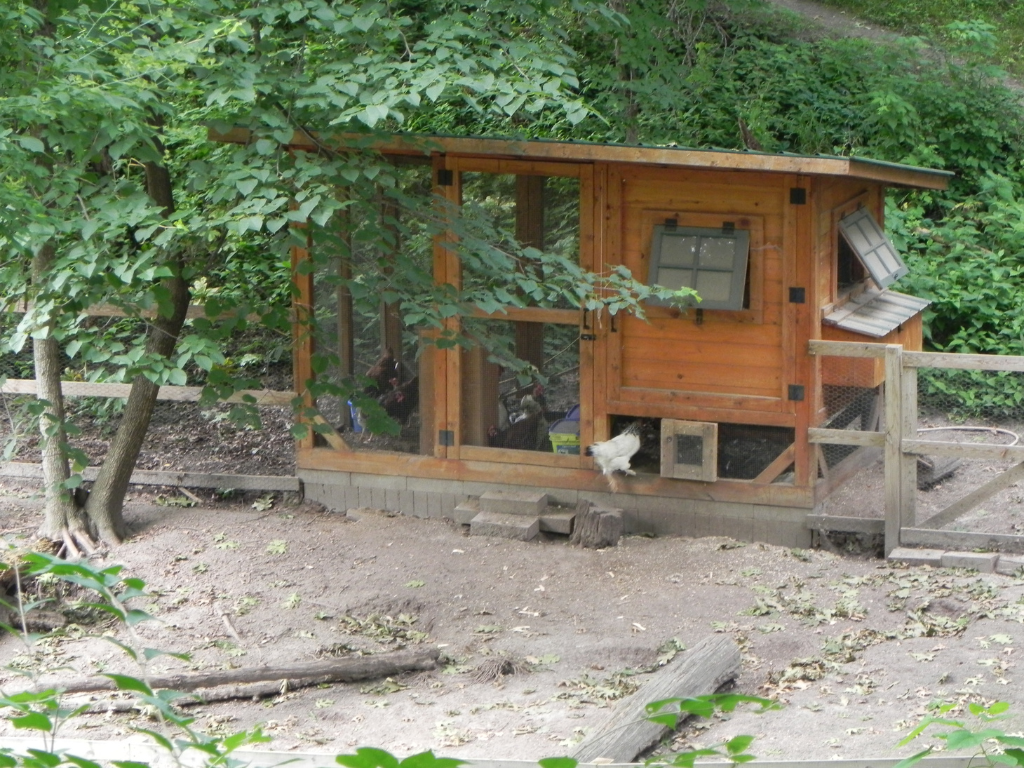
If your run sits on heavy clay soil, puddles will form after even a light rain, and muddy feet will carry that water straight inside. Sandy soil drains quickly, but not everyone is lucky enough to have it. The fix is straightforward and cheap: buy traction sand or play sand from a home store and spread a couple of inches over the top of the heavy soil. For a small run, a dozen bags is often enough. That layer eliminates standing puddles except during prolonged rain.
Sand brings a second benefit that many keepers overlook. Hens need to swallow grit, which settles in the gizzard and helps them grind their food. They’ll happily pluck grit right out of the sand as they scratch around. So a sanded run keeps the surface dry, satisfies a real nutritional need, and gives your birds something interesting to explore. It’s one of the highest-return improvements you can make to a backyard setup.
Not sure which breed is right for you?
Browse our complete breed guides to find the perfect match for your flock goals, climate, and lifestyle.
Vegetation: Mud Control That Feeds Your Flock
Hens and green plants go together like hand and glove. A thick grassy mat carpeting the run keeps feet mud free, and it does much more than that. Tender grass shoots are an epicurean delight to hungry chickens. The pigments in leafy greens transform egg yolks from pale yellow to bold orange. Bugs drawn to the plants get snapped up, adding free protein to the diet. A well-vegetated run can supply so much flock food that birds eat commercial feed sparingly through the summer, which directly cuts your costs.
The catch is that getting plants to survive in a chicken run is genuinely tricky. If many chickens share a small run, it’s nearly impossible, since even the tiniest green sprout gets gobbled up. Two strategies make it work.
Space comes first. The bigger the run, the better your odds. A flock of 15 chickens in a fenced run of roughly 3,150 square feet will still graze it down hard, which tells you how much pressure birds put on vegetation. More room per bird means more plant survival.
Planting strategy comes second. Seed the run each spring with a mixture of two plant types: things chickens love to eat, like grass, radish, and clover, and things they refuse to touch, especially buckwheat. Buckwheat thrives in summer heat and throws white blossoms that attract insects from far and wide. The chickens won’t eat the plant itself, but they’ll eagerly snatch the bugs it draws in. It’s also worth tolerating any volunteer weeds that chickens ignore, since they still hold the soil and block mud.
Rotational Grazing: The Trick That Makes Seeding Work
There’s an obvious problem with seeding a run: given the chance, chickens gobble up the seed before it ever sprouts. The solution is rotation. Keep two runs, plant one, and confine the birds to the other until the seeded side has good growth. Then reverse it, letting the hens graze the green run while you replant the one they just left.
Most people don’t have two runs, but you don’t need them. Stretching a simple chicken wire fence across the middle of an existing run splits it in two and accomplishes the same thing. Let the hens enjoy one side while the other greens up, then swap. That’s rotational grazing, and it’s the difference between a bare, muddy pen and a run that stays green most of the season. If you’re planning fencing changes, it’s a good moment to review our guide to protecting your backyard flock from predators so your new layout stays secure.
Where to Buy Seed for a Chicken Run
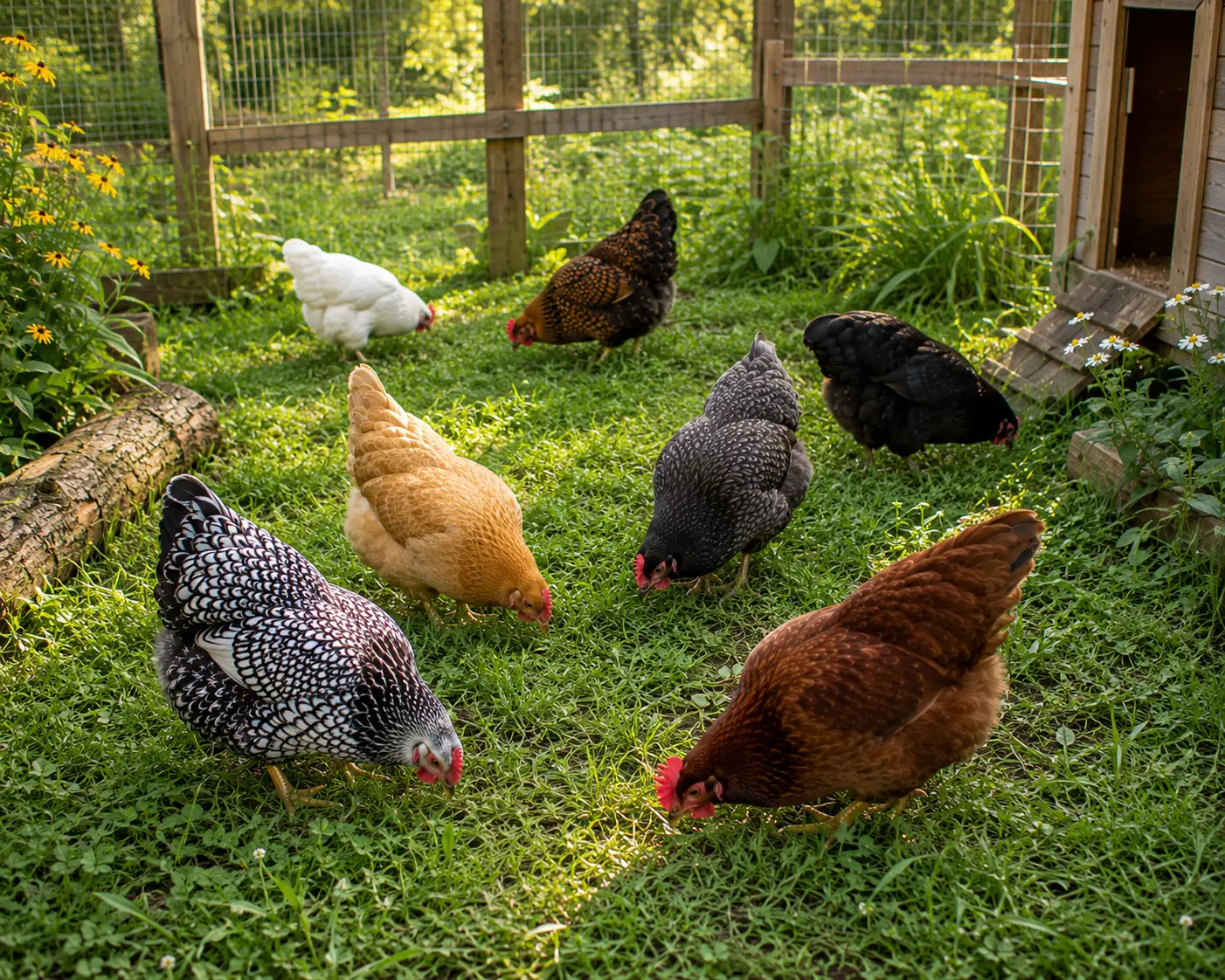
Grass seed is easy to find at garden and hardware stores, and inexpensive annual ryegrass works well. Farm stores that sell baby chicks often carry food plot seed intended for hunters planting deer forage, and those mixes frequently contain clover, radishes, turnips, and oats, all of which suit a chicken run nicely. Several large seed companies also sell in bulk at fair prices, making it easy to buy exactly the quantity and varieties you want. Two worth knowing are Albert Lea Seed (alseed.com) and Ernst Seed (ernstseed.com). For more on blending gardens and poultry, browse our gardening articles.
Why a Dry Run Matters Year-Round
Managing your outside run keeps the dirt dry and the mud down, which lets chickens enjoy being outside most days without dragging a mess into the coop. That pays off well beyond tidiness. Dry conditions mean less moisture in the bedding, which means fewer respiratory issues and better overall flock health. It matters most in winter, when damp bedding becomes a genuine hazard, so it’s worth pairing your run work with smart cold weather planning. Our guide to keeping the coop warm safely in winter covers why dryness beats added heat almost every time.
Frequently Asked Questions
How do I stop my chicken run from getting muddy?
The two most effective fixes are sand and vegetation. Spreading a couple of inches of traction or play sand over heavy soil eliminates puddles except in prolonged rain, and a thick mat of grass or cover crops keeps feet clean while feeding your flock. Closing the pop hole door on rainy days works as a short-term fallback, though most keepers prefer to fix the run itself.
Is sand good for a chicken run?
Yes, sand is one of the best and cheapest fixes for a muddy run. A couple of inches of traction or play sand spread over clay soil drains quickly and stops puddles from forming. It also gives hens a natural source of grit, which they need in their gizzards to grind food.
What can I plant in a chicken run?
Plant a mix of what chickens eat and what they won’t. Grass, clover, and radish provide grazing, while buckwheat resists being eaten and attracts insects your birds will happily hunt. Inexpensive annual ryegrass and food plot mixes containing clover, radishes, turnips, and oats all work well.
How do I keep chickens from eating the seed I plant?
Use rotational grazing. Split the run in two with a chicken wire fence, keep the birds on one side while the other is seeded and greening up, then swap them over. This gives plants time to establish before the flock gets access, and it’s the key to keeping any vegetation alive in a run.
Why does mud in the coop matter?
Mud carries moisture into the coop, and moisture fosters disease. Damp bedding contributes to respiratory problems, ammonia buildup, and foot issues, and it becomes especially risky in cold weather. Keeping the run dry is one of the simplest ways to protect your flock’s health year-round.
Keeping mud out of the coop isn’t about keeping chickens cooped up. It’s about giving them a run that drains well, grows something green, and stays interesting to scratch around in. Add some sand, seed what you can, rotate your birds through it, and you’ll have a flock that spends most days happily outside and a coop floor that stays clean and dry.
Building or upgrading your setup?
A dry coop starts with a well-built one. Explore durable, easy-clean chicken coops from Hoover’s Hatchery, sized for backyard flocks of every kind.