Ever heard someone called a spring chicken? That phrase has a real origin. It was once standard to start meat birds in the spring alongside the rest of the farm’s livestock, simply because spring was when chicks were typically hatched and therefore when birds became available for slaughter. Today we have the tools to make raising meat animals a year-round project. You can raise meat birds at any time of year, as long as you plan ahead. Here’s how to raise fall meat birds that grow fast and finish well, even as the temperature drops.
New to backyard chickens?
FlockJourney is your go-to resource for flock care, breed guides, and poultry tips straight from the experts at Hoover’s Hatchery.
Starting Meat Birds Late in the Year
Don’t talk yourself out of starting meat birds just because the calendar says October. The whole game is preparation, and it starts before the chicks even arrive.
When your chicks land, they need warmth immediately. If it’s cold out, get them into the brooding area fast, and have that space already warmed and waiting. Here’s the practical trick: most chick orders come through your local post office and include tracking information. Turn the heat lamps on in the brooding area the morning your chicks are expected to arrive. That knocks out the cold air that’s inevitably lingering, so the birds walk into a warm space rather than one that’s still climbing to temperature. It’s a small piece of timing that makes a real difference in fall and winter.
Brooder Temperature: The Week-by-Week Schedule
Meat chicks need the same temperature range as any other chicks. The schedule is straightforward, though holding it steady is genuinely trickier in fall and winter than in summer:
| Age | Brooder Temperature |
|---|---|
| First two weeks | 90 to 95 degrees F |
| Each week after | Lower by 5 degrees per week |
| Final target | 70 degrees F |
You have two ways to monitor it, and the best keepers use both.
Use a thermometer, placed correctly. This matters more than people realize. Put the thermometer at chick level, not up high. Heat rises, so a thermometer mounted above the birds will read warmer than the air your chicks are actually standing in, and you’ll under-heat them without knowing it.
Read the chicks themselves. Your birds are a live thermometer, and they’re rarely wrong:
- Too cold: the chicks huddle together directly under the heat lamp.
- Too hot: the chicks spread out along the edges of the brooder, as far from the lamp as they can get.
- Just right: the chicks are distributed fairly evenly, moving around freely.
Adjust by raising or lowering the heat lamp, or by adding a second one. Since heat lamps carry real fire risk, it’s worth reviewing our guide to heat lamp safety before you hang anything, especially with dry bedding underneath. Mount securely, keep clearance, and never rely on a clamp alone.
Not sure which breed is right for you?
Browse our complete breed guides to find the perfect match for your flock goals, climate, and lifestyle.
Feeding Fall Meat Birds for Fast Growth
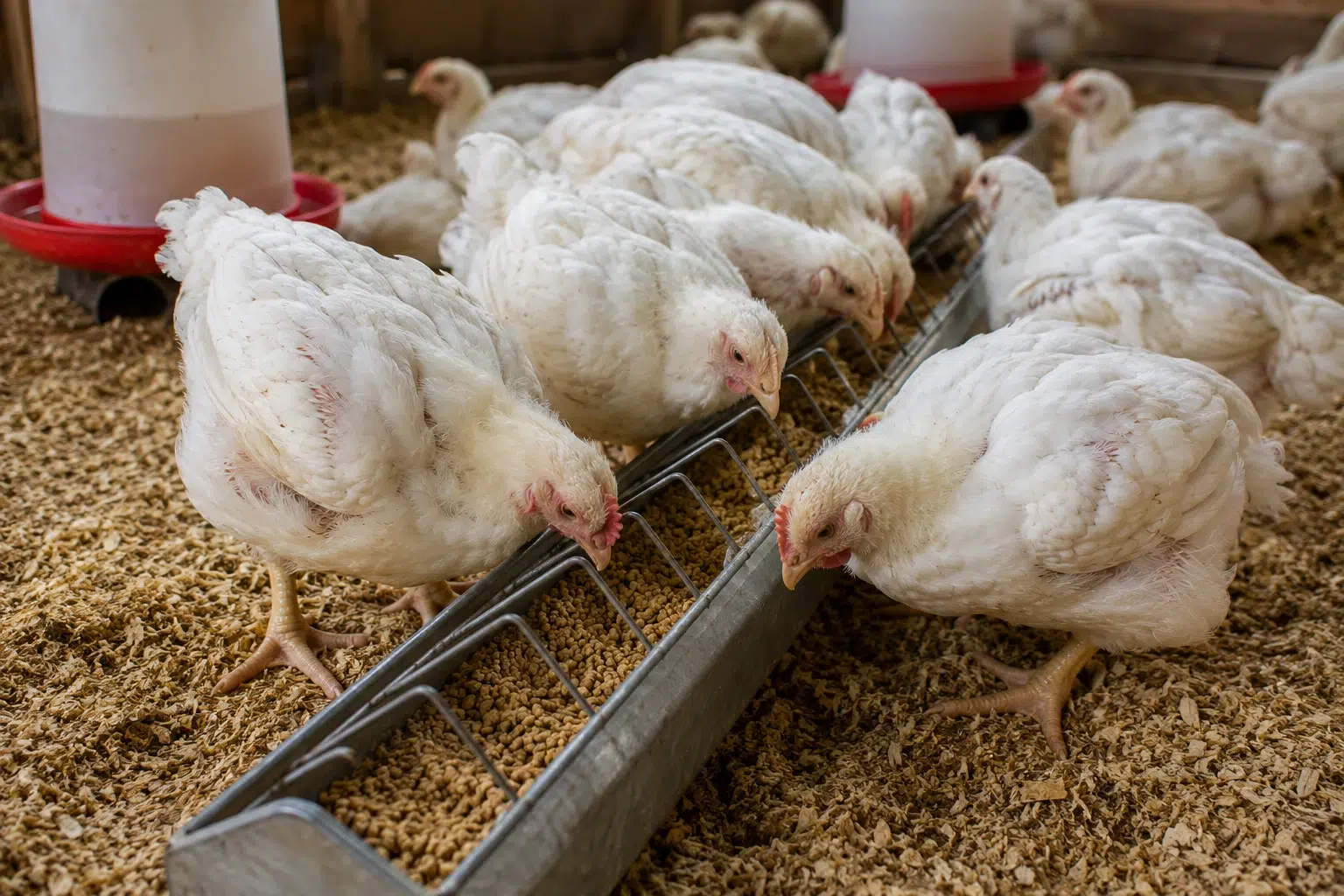
A well-warmed brooding area is the foundation of a rapid growth rate, and everything else builds on it. Keep feed available at all times and make sure the birds always have access to fresh drinking water. Here’s a nice side benefit of getting the heat right: if the brooding area is warm enough, you shouldn’t have any trouble with frozen waterers, which is one of the biggest headaches of cold-weather poultry keeping.
Now the mistake to avoid, and it’s a genuinely counterintuitive one. Don’t feed your fall meat chicks more protein than you would in the spring. It feels logical that birds need extra fuel to stay warm in cold weather, but too much protein can cause growth problems in broilers, including ascites. The answer to cold isn’t more protein, it’s a warmer brooder. Get the heat right and you simply don’t need to overfeed them to compensate.
Watch your chicks closely in those first days for other early issues too, since pasty butt is common in mail-order chicks. Our guide to dealing with pasty butt in baby chicks covers what to look for and how to treat it.
Which Meat Birds to Raise in the Fall
Breed choice matters more in fall than at any other time of year, and it comes down to one question: does the bird depend on foraging?
Hybrid broilers are the fall pick. Birds like the Cornish Cross make excellent sense during the colder months. They don’t free range particularly well to begin with, and they’re well suited to living in a confined area and eating feed. In other words, cold weather takes away almost nothing from how they were going to be raised anyway.
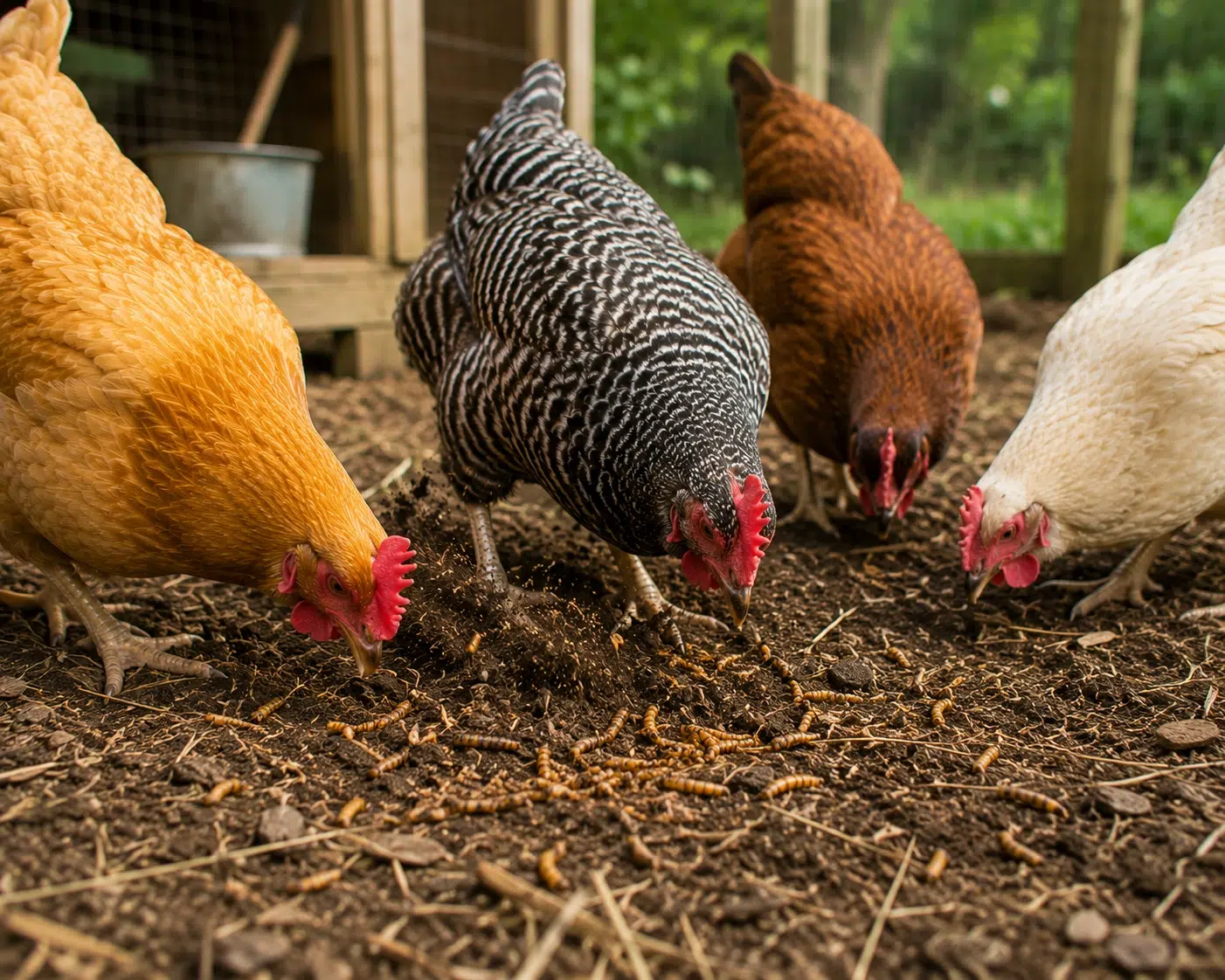
Free-range breeds are better in summer. Birds typically raised on pasture, like the Rudd Ranger, are best started in warmer months. Raised in the fall, they wouldn’t be able to forage nearly as much food, which can lead to slower growth. Depending on their age and your local weather, they may also simply get too cold out on range.
You can compare your options across the full lineup of meat birds at Hoover’s Hatchery before you order. For more on matching breeds to your goals generally, see our guide to choosing the best breeds for backyard flocks.
Frequently Asked Questions
Can you raise meat birds in the fall?
Yes, you can raise meat birds at any time of year as long as you plan ahead. The key is having a properly warmed brooding area ready before the chicks arrive and choosing breeds suited to confinement rather than foraging. The old tradition of spring meat birds exists because that is simply when chicks used to hatch.
What temperature should a meat bird brooder be?
Keep the brooder at 90 to 95 degrees Fahrenheit for the first two weeks, then lower the temperature by 5 degrees each week until you reach 70 degrees. Place your thermometer at chick level rather than up high, since heat rises and a high thermometer will read inaccurately. You can also read the birds themselves, since huddling means too cold and spreading to the edges means too hot.
Should you feed fall meat birds more protein to keep them warm?
No, this is a common mistake. It seems logical that birds need more food to stay warm in cold weather, but too much protein can cause growth problems in broilers, including ascites. The correct solution to cold is a warmer brooding area, not a higher-protein ration.
Which meat bird breeds are best for fall?
Hybrid broilers like the Cornish Cross are the best fall choice because they do not free range well anyway and thrive in a confined area eating feed. Breeds normally raised on pasture, such as the Rudd Ranger, are better started in summer, since fall foraging is limited and they may get too cold on range. Match the breed to how it will actually be raised.
How do you keep waterers from freezing for fall chicks?
Keep the brooding area properly warm and frozen waterers largely take care of themselves. If your brooder is holding the correct temperature for the birds’ age, the water inside it should not freeze. This is one more reason getting brooder heat right is the foundation of cold-weather meat bird raising.
Raising meat birds in the fall takes a bit more planning than a spring batch, but nothing about it is difficult. Warm the brooder before the chicks land, hold the temperature schedule, resist the urge to overfeed protein, and pick a breed that was never going to forage much anyway. Do that and you’ll raise fast-growing fall birds that put rich, tasty meat on your family’s table.
Ready to start your fall batch?
Hoover’s Hatchery ships healthy meat birds straight to your door, including Cornish Cross broilers and Rudd Rangers, with tracking so you know exactly when to warm the brooder.