Home

FROM OUR BLOG

Urban Chicken Noise: Living with Feathered Neighbors Who Love to Chat

Keeping chickens in the city brings fresh eggs and wholesome fun—but it also comes with a soundtrack that’s surprisingly lively. Chickens aren’t quiet creatures; their range of clucks, squawks, and chatter can be a surprise to new urban flock keepers. Most people think roosters are the only loud mouths, but they must not be aware of the daily song a hen sings after laying her egg!

What’s Making All That Noise?

Chickens vocalize for all sorts of reasons: socializing with the flock, alerting to potential danger, staking claim on favorite food, or just complaining about the weird human next door. Morning greetings, midday debates over the best dust bath spot, and evening wind-downs keep the coop buzzing with sound, especially when the flock is active and happy.

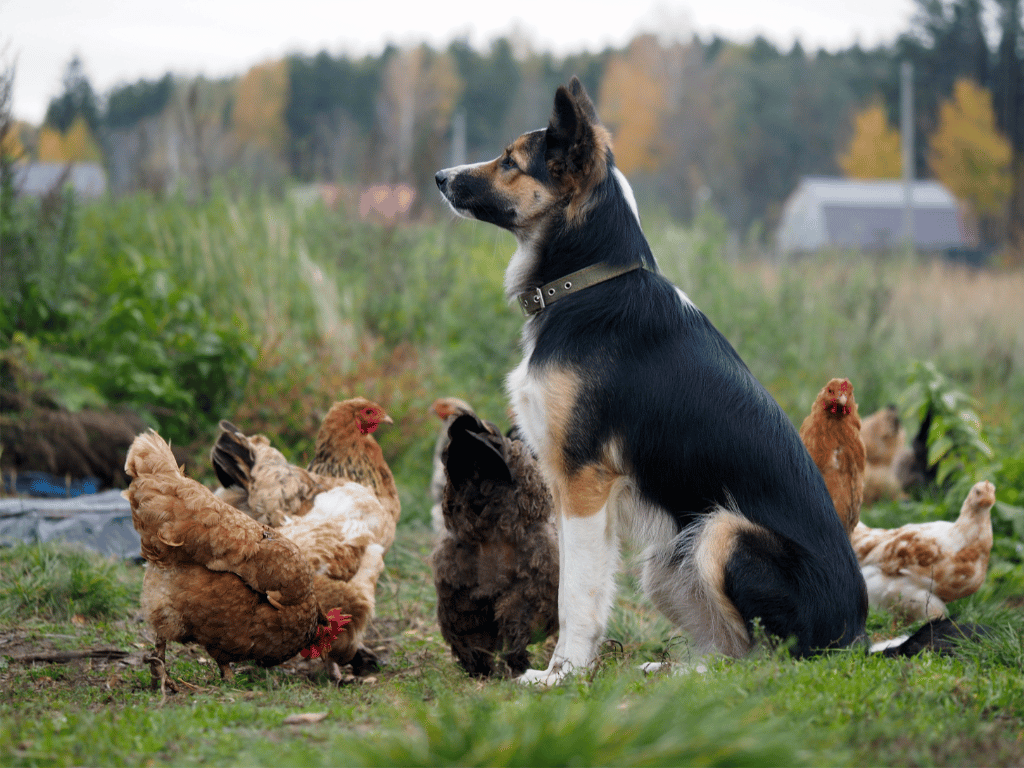
Alarm calls are notably louder—an unexpected visitor like a dog walking by, a sudden noise, or a prowling critter can send the hens into a noisy frenzy. While not as loud or persistent as a rooster’s crow, these bursts of “chicken chatter” carry through quieter urban neighborhoods.

How to Keep the Noise Down in the City

  • Create a Calm Environment: A well-designed coop with shelter and quiet corners helps chickens feel safe, reducing alarm calls and frantic clucking.
  • Give Space: Overcrowding stresses chickens, which leads to louder, constant complaints. A flock with enough room tends to be calmer and therefore quieter.
  • Manage Distractions: Fencing, shrubs, or even white noise nearby can minimize chickens reacting to passing pedestrians, cars, or wildlife.
  • Routine Matters: Feeding and care on a consistent schedule reduces anxious vocalizations. Busy and content chickens make less noise.

Being a Good Neighbor

Good communication with neighbors goes a long way. Explaining the nature of chicken chatter, sharing fresh eggs, and showing that you’re a responsible, considerate owner often eases tension before it starts. Also, most cities and neighborhoods ban roosters, whose crowing far outstrips hens in volume and duration—so keeping only hens is often the simplest way to avoid major noise complaints. Giving your neighbors some fresh eggs also never hurts!


Pin Feathers: The Chicken World’s Awkward Adolescence

If you’ve ever seen your chickens looking a bit rough—sporting more “hedgehog chic” than their usual fluff—you’ve witnessed the wonders of pin feathers. Think of pin feathers as your birds’ awkward teen phase: pointy, sensitive, and best approached with plenty of patience and zero judgment.

What Are Pin Feathers?

Pin feathers are the new growths that sprout when a chicken molts, prepping for a wardrobe upgrade. Each feather starts as a shaft covered in a waxy keratin sheath, resembling little pins poking out from your bird’s body. Beneath that sheath is a tender blood supply, giving these fresh feathers a bit of drama—handle with care, because damage means bleeding.

Handling Pin-Feathered Birds

This is not the time for cuddles. Pin feathers are super sensitive, and chickens generally prefer solo time while molting. If you need to handle your chicken, do so gently—and only if absolutely necessary. If a pin feather breaks and starts bleeding, use a clotting agent, flour, or cornstarch to stop it. If the bleeding won’t quit, pluck the feather at the base and apply gentle pressure.

Helping Them Through the Molt

Molting (and pin feathers) is stressful work for chickens. Boost their diet with extra protein—think scrambled eggs or cooked quinoa—since feathers are basically built out of protein. Probiotics and electrolytes can go a long way, and keeping stress low (no surprise coop moves!) helps your flock sail through this prickly time. Allow for quiet spaces during the molt; many chickens feel extra weak and vulnerable during this time.

Extra Tips for a Smooth Feather Transition

  • Don’t help your chickens “open” pin feathers—let nature take its course.
  • Bathe or mist your chickens if they seem itchy; water loosens the keratin sheath so they can preen more comfortably.
  • Avoid introducing new flock members during molt, as stress makes pin feathers (and tempers) flare.

Antibiotics and Your Flock: When Medicine is Necessary, and When to Hold the Prescription

Every backyard chicken keeper dreams of a happy, healthy flock, strutting through the grass and plotting their next egg-laying contest. But sometimes, trouble strikes, and suddenly you’re navigating the confusing world of antibiotics: miracle cure, potential minefield, and eternal debate among coop enthusiasts.

When Should You Use Antibiotics?

Antibiotics have a place in flock care, especially for treating clear-cut, vet-diagnosed bacterial infections. Sick chickens can go downhill fast, and immediate treatment may mean the difference between a barnyard full of rambunctious layers and a sad day in the henhouse. But don’t reach for those meds at the first hint of sneezing—antibiotics aren’t a fix for every feather ruffle or mood swing.

Responsible Use (Save Them for When You Really Need Them)

The days of buying water-soluble antibiotics without a prescription are over. Modern regulations require a veterinarian’s involvement, which is actually a good thing! Randomly medicating chickens can make existing problems worse or even create new ones, plus it’ll cloud any future attempts to diagnose and treat the real issue.

  • Only medicate with proper veterinary advice
  • Never treat “just in case”
  • Always follow the vet’s instructions for dosage and duration

Risks of Overuse

Misusing antibiotics leads to resistant bacteria that can be tough (sometimes impossible) to treat, threatening both poultry and people. Keeping antibiotics out of the flock until truly necessary helps preserve their effectiveness for emergencies, not everyday drama.

Better Than a Cure: Prevention!

The easiest way to skip the antibiotics drama? Good old-fashioned prevention:

  • Feed a balanced poultry ration—hold the fancy snacks!
  • Provide clean, fresh water in squeaky-clean containers
  • Keep the coop dry and well-ventilated
  • Practice good biosecurity: limit visitors, clean shoes, and hands before entering

Chickens raised with these habits are naturally robust, needing medicine only when genuinely sick. In all my years raising chickens, I have only needed antibiotics once. Educate yourself and be prepared, that is the best prevention!

Pasty Bottom: Not the Chicken Trend Anyone Wanted

It’s a rite of passage for new chicken owners—thinking you’ve got the cozy brooder thing down, only to spot what looks suspiciously like a fluffy little bird sporting… well, let’s just call it a diaper malfunction. Welcome to the glamorous world of “pasty bottom”—the poultry equivalent of a clogged pipe at the worst possible moment.

What Exactly is Pasty Bottom?

Forget spa days and tail feather preening—“pasty bottom” happens when droppings get stuck to the downy fluff under a chick’s vent. The technical name is “pasting up,” and while it’s not the kind of thing folks brag about on Instagram, it’s one of the most common (and least photogenic) chick ailments out there.

Why Do Chicks End Up with a Messy Rear?

Usually, it’s a combo of stress—moving, chilly brooder temps, questionable snacks—and sometimes even the intensity of that heat lamp you just rigged up after reading about “extra crispy” disasters last week. Chicks are delicate; if their home is too hot, too cold, or too exciting, the digestive system can respond with a messy little protest.

The Fix (No Magic Wand Required)

  • Check the brooder temperature—Not enough warmth and chicks shiver; too much and you might need a spatula. Aim for the Goldilocks zone (95°F first week, drop 5°F each following week).
  • Clean it up, pronto—A chick with pasty bottom can’t poop properly, which can be fatal. Grab a soft cloth, warm water, and gently loosen the mess—no fancy gadgets required. Be careful not to pull the feathers or fluff too much. A chick’s skin is incredibly thin and can tear with too rough a hand.
  • Watch the snacks and water—Keep their diet basic (starter feed and clean water) until things settle down. Skip the fancy treats until every bottom is back to looking fluffy, not funky.

Prevention: Keep Those Butts Buff

Brooder hygiene, proper diet, and avoiding stress are the holy trinity. And if you catch pasty bottom early, you can save your chicks—and yourself—from a whole morning spent in the “avian bidet” business.

Only Chickens Should Be Cheep—Never Your Clean-up Routine

Remember, every great backyard flock began with a few cleaned chick bottoms and a little humility. Next time someone asks how your babies are doing, you’ll have a tale to share that’s equal parts adventure and absurdity—“No, really, I was a chicken rear-end specialist for three straight weeks.”

Give Your Chickens Room to Roam: Why Adequate Space Matters

Raising happy, healthy chickens isn’t just about food and water—it’s about space. Think of your flock as tiny, feathery divas who appreciate a little breathing room to strut, scratch, and socialize without feeling like they’re stuck in hen house traffic. The very best option is allowing your flock free range time, but understandably this isn’t always feasible for all.

How Much Space Do Chickens Really Need?

The golden rule: each chicken deserves at least 2–3 square feet inside the coop and 8–10 square feet in the outdoor run. Cramped quarters lead to stress, feather pecking, and noisy squabbles—not exactly the friendly neighbors you want. More space means calmer birds, better health, and ultimately, more eggs and less drama.


What Happens When Chickens Don’t Get Enough Space?

Crowded chickens become stressed chickens. Stress weakens their immune systems and sparks aggressive behavior like pecking or bullying. You might notice bald spots, broken feathers, or even fights breaking out—signs your coop is feeling way too much like rush hour.

Tips for Creating Comfortable Chicken Real Estate

  • Think Vertical: Chickens love to perch. Adding roosts inside the coop ups the usable space and gives them a comfy spot to chill away from the floor crowd. Try adding a few natural branches, the chickens will love to climb and the bark helps file down their toenails.
  • Rotate Runs: If you have a yard, move your flock regularly to fresh ground to prevent mud buildup and keep grass growing. Happy soil means happy chickens.
  • Provide Enrichment: Adding dust baths, logs, and safe plants breaks up the space so chickens can pick their favorite spots—and keep their minds busy. Like animals in a zoo, they will benefit from enrichment. Even just giving new foods and treats can be enrichment enough. Swings, tree stumps, and old logs also make great fun for chickens.

The Takeaway

Space isn’t just a luxury—it’s chicken welfare 101. Generous quarters keep your birds healthy, peaceful, and productive, saving you headaches and vet visits down the line. After all, a happy hen is a noisy hen, but it’s a lot easier to live with her cheerful clucks when everyone has room to shake their tail feathers.

All About the Cayuga Duck

I still remember the day I fell down a Google rabbit hole searching for unique egg colors to diversify my egg basket. When I discovered black eggs, I was convinced someone was joking. But it led me straight to the beautiful Cayuga duck, a breed known for laying those stunning dark eggs.

beautiful cayuga duck in the grass. black iridescent feathers, blue and green feathers

Now, I never ended up adding ducks to our flock (as much as the kids begged!), but I did learn a LOT about this fascinating waterfowl. And if you’re thinking about adding variety to your backyard flock here in Minnesota or anywhere else in the Midwest, Cayugas deserve a serious look.


What Makes the Cayuga Duck So Unique

Cayuga ducks are showstoppers. Their glossy, iridescent black feathers shimmer green and blue in the sunlight, making them one of the most striking duck breeds you can raise.


A few standout features:

  • Jet-black or slate-colored bill

  • Orange to dark-washed legs

  • Slightly arched neck

  • Broad, sturdy body


Most ducks I’ve owned over the years were white and loud and loved to strut around the yard like they owned the place. Knowing what I know now, I might have given Cayugas a try first!


History of the Cayuga Duck

The Cayuga duck is actually an American breed, first developed in the mid-1800s in Cayuga County, New York. It’s believed to descend from the American Black Duck, which explains the dark coloring and hardy nature.


They were originally kept for:

  • Their striking appearance

  • Meat production

  • Dependable egg laying


Today, they’re beloved by backyard farmers, hobbyists and homesteaders all over the U.S.


Cayuga Duck Temperament

If you want a duck that’s sweet, gentle and social, the Cayuga is a great choice. They adapt well to mixed flocks, get along with other ducks and poultry and love to forage.


We’ve had chickens, geese and ducks all at once in the past, and while I personally prefer chickens (ducks are FUN but messy!), many families make mixed flocks work beautifully. It really depends on your setup.


Do Cayuga Ducks Lay Black Eggs?

Yes! But only early in the season.

  • 100–180 eggs per year

  • Medium-sized

  • Start out very dark black

  • Gradually lighten to gray or white as the season goes on

 
Cayuga duck black egg, spotted egg and grey egg

Even if you’re raising ducks in colder climates like Minnesota, South Dakota or Wisconsin, Cayugas tend to lay consistently when well cared for.

Housing, Space and Water Requirements

Like all ducks, Cayugas thrive when they have:

  • Clean water for swimming, dabbling and washing their faces

  • Safe shelter from predators

  • Dry bedding

  • Outdoor space to forage and explore


My biggest challenge when we had ducks was winter water access. If you live in a cold region, make a plan for:

  • A heated water dish

  • A safe, shallow tub that can be dumped daily

  • Extra bedding for traction and warmth


It’s definitely doable to have ducks in cold places, it just takes a little planning!

What They Eat and What Helps Them Thrive

A balanced waterfowl feed is essential for duck health and egg production. You can also safely add:

  • Fresh greens

  • Peas

  • Corn

  • Mealworms

  • Garden scraps (duck-safe only)


And here’s something many people don’t know Strong Animals Chicken Essentials products are safe for ducks too!


Common Cayuga Duck Health Concerns

Cayugas are hardy, but regular checks help prevent:

  • External parasites (harder to see on black feathers)

  • Respiratory issues from wet bedding

  • Nutritional deficiencies

  • Foot problems from slippery surfaces


Doing quick weekly health checks and offering clean water daily goes a long way.


Should You Add Cayugas to Your Backyard Flock?

If I ever added waterfowl again, I’d absolutely consider Cayugas. They’re beautiful, friendly, unique and pretty easy to manage once you have the right setup.

Just… don’t tell the kids I’m entertaining the idea again. Haha!

Until next time,

– The Wing Lady

How to Clean Fresh Chicken Eggs the Right Way


There’s something so special about walking out to the coop to collect fresh eggs! The hard shells, rich yolks and buttery taste of farm fresh eggs can’t be rivaled. But when it comes to cleaning those fresh eggs from your flock, there’s often some confusion about the best way to do it.

Proper egg washing is key to keeping your eggs safe, clean and fresh whether you’re collecting for your family, gifting to friends or selling at a local farmers market. Here’s everything you need to know about how to wash fresh chicken eggs the right way, without ruining their natural protection.

backyard chicken eggs colored brown, light brown, white and blue and green in a smaller egg cartoon for sale.
 

Why Egg Washing Matters

Freshly laid eggs often have a bit of dirt, manure or feathers clinging to the shell. While eggshells have a natural protective coating called the “bloom” or “cuticle” that helps keep bacteria out, washing removes this coating. Even one drop of water can compromise that barrier!


That’s why timing and method matter. Ideally, wash eggs right before you plan to use them. Washing too early or storing washed eggs at room temperature increases the risk of bacteria entering through the shell.


If eggs aren’t overly dirty, I usually just place them in a basket on the counter. For heavily soiled eggs, it’s best to clean them gently and refrigerate them right away.


What You’ll Need to Wash Eggs

  • Warm water (90–120°F / 32–49°C) – never cold, which can pull bacteria into the shell.

  • Mild dish soap (optional) or an egg washing solution.

  • A clean towel or paper towels.

  • A soft brush or cloth (optional).


How to Wash Farm Fresh Eggs

  1. Start with warm water. Always use water warmer than the egg’s temperature. This helps push bacteria out rather than pulling it in. Test the water on your wrist first.

  2. Rinse gently. For lightly dirty eggs, a warm water rinse is often enough.

  3. Scrub if needed. For more soiled eggs, gently use a soft brush or cloth. Avoid soaking eggs, as this can let bacteria in.

  4. Dry thoroughly. Pat dry with a clean towel or paper towels. Reducing moisture helps keep bacteria from multiplying.

  5. Refrigerate right away. Cold storage helps keep eggs fresh and safe.


If an egg is cracked or has an off smell, it’s best to toss it. If you know you cracked it during collection, go ahead and cook it right away. And of course, always wash your hands with warm soapy water before and after handling eggs.


Farm Stand & Market Rules

If you’re selling eggs at a farm stand or local farmers market, make sure to check your state and local guidelines. Some states require eggs to remain unwashed, while others allow washing under certain conditions.


In Minnesota, for example, small flock owners often follow different rules than commercial producers. Staying compliant helps protect your customers, and your flock’s reputation. Here’s the USDA rules for MN egg sales.


So, whether you’re collecting eggs from your backyard chicken coop, gifting them to neighbors or selling them locally, clean, properly handled eggs make all the difference. Presentation matters! No one wants to receive muddy or poopy eggs, but more importantly, proper handling ensures safe and delicious farm fresh eggs.


Until next time,


– The Wing Lady

podcasts