
Quick answer
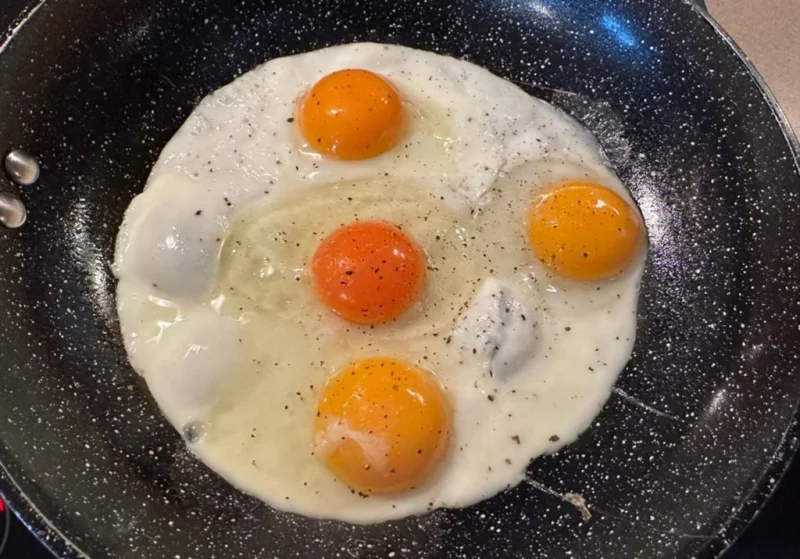
Farm-fresh eggs are usually one or two days old with the bloom intact, while store-bought eggs are washed and can be several weeks old when you buy them. Nutrition is fairly similar, but farm-fresh eggs often have firmer whites, brighter yolks and richer flavor.
When it comes to eggs, not all are created equal. I never fully understood just how different they could be until I started raising my own backyard flock. Whether you’re making a quick weekday breakfast or baking something special, the difference between store-bought eggs and farm-fresh eggs really can show up on your plate.
So let’s crack open this topic (sorry, I had to 😉).
What Are Store-Bought Eggs?
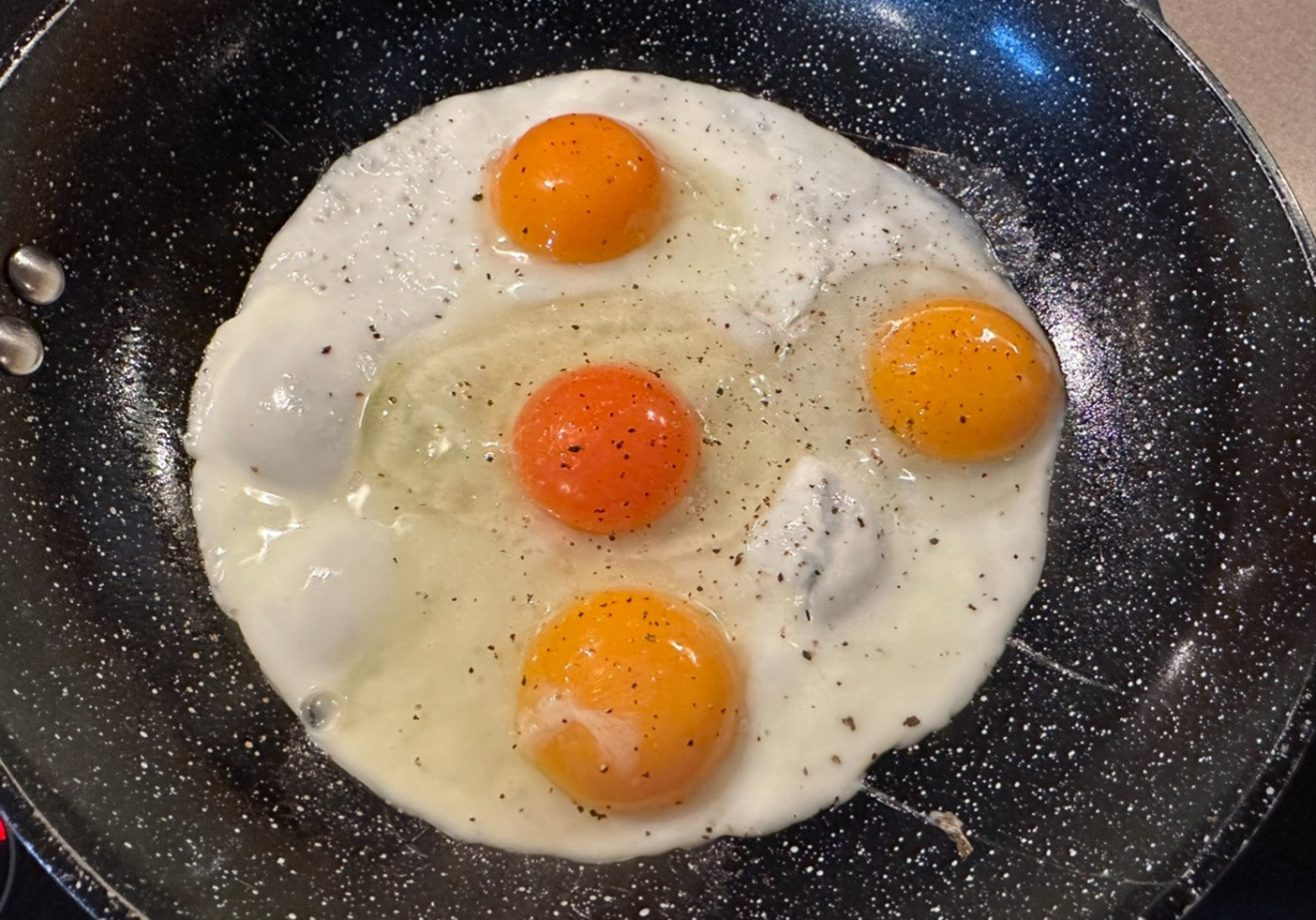
Store-bought eggs are what you’ll find at grocery stores and big-box retailers. These eggs usually come from large commercial farms and go through several steps before landing in your carton.
After being collected, they’re washed, cleaned, sorted and packaged at processing facilities. To meet food safety standards, store-bought eggs are washed with detergents, which removes the egg’s natural protective coating, called the bloom. Because of processing, storage and transportation, these eggs can be several weeks old by the time you buy them… and then they still have a shelf life on top of that.
They’re perfectly safe to eat, but many people notice:
-
A flatter yolk
-
Thinner whites
-
Less rich flavor
That all comes down to age and processing.
What Makes Farm-Fresh Eggs Different?
Farm-fresh eggs come straight from local farms or backyard chickens—sometimes even your neighbor’s coop. These eggs are often unwashed or gently cleaned, which keeps the bloom intact. That natural bloom helps protect the egg from bacteria and keeps it fresher for longer without refrigeration.
Most farm-fresh eggs are just one or two days old when you get them. And you can tell.
Farm-fresh eggs usually have:
-
Brighter, more vibrant yolks
-
Firmer whites
-
Richer flavor
In my opinion? Farm-fresh eggs taste way better than store-bought. Once you get used to them, it’s hard to go back.
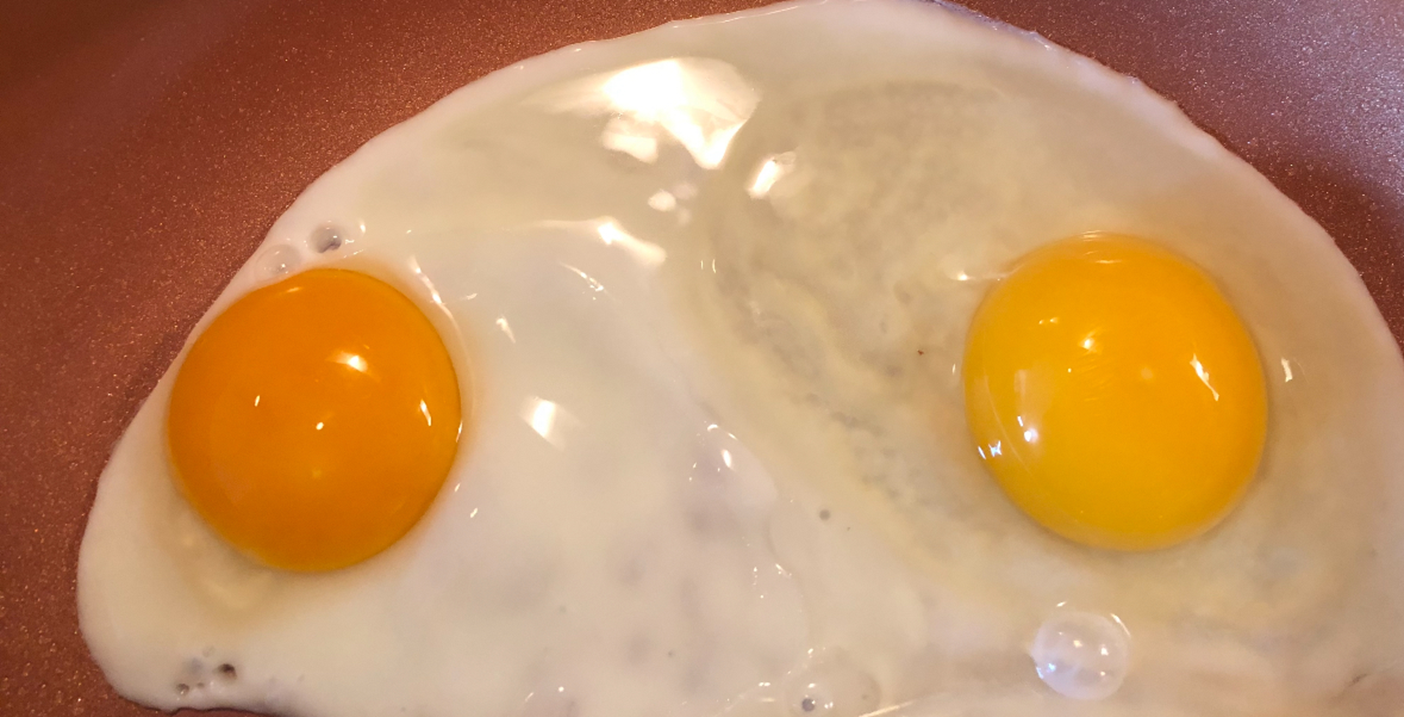
Left: Egg from my flock. Right: Store-bought organic egg.
Are Farm-Fresh Eggs More Nutritious?
This is one of the most common questions I get. From a scientific standpoint, studies show that store-bought and farm-fresh eggs are fairly similar nutritionally. That said, a hen’s diet and lifestyle absolutely matter when it comes to egg quality.
Commercial Hen Diets
Hens in large commercial systems are typically fed a standardized diet designed for efficiency and consistency. They often have limited access to sunlight, fresh air, and pasture. Everything is tightly controlled, which works for production, but not always for hen quality of life.
Backyard & Pasture-Raised Hens
Backyard chickens and hens on small farms usually enjoy a more varied diet. They forage, eat bugs, peck at plants and still receive a balanced feed.
This lifestyle can lead to eggs with:
-
Higher omega-3 levels
-
Increased vitamins
-
Deeper yolk color
Healthy hens are happy hens, and happy hens lay high-quality eggs.
Are Farm-Fresh Eggs More Expensive Than Store-Bought Eggs?
Farm-fresh eggs often cost a little more, but not always.
In the peak of summer, many backyard chicken keepers are swimming in eggs. Sometimes they’re practically giving them away. That said, feeding quality or organic chicken feed does cost more than operating a large commercial facility, so higher prices make sense.
Personally, I think farm-fresh eggs are totally worth it. But I’ll be honest, when winter hits and my girls slow down, I do buy store-bought eggs. I usually grab the brand Happy Egg. If I can’t have fresh, those are a close second for me!
Which Eggs Are Right for You?
Choosing between store-bought eggs and farm-fresh eggs really comes down to what matters most to you:
-
Convenience
-
Taste
-
Nutrition
-
Ethics
-
Supporting local farms
Farm-fresh eggs are a great choice if you value freshness, flavor and local agriculture. Store-bought eggs are reliable, accessible and budget-friendly.
Either way, eggs are an excellent source of protein and provide healthy fats, vitamins and minerals.
And let’s be real… eggs are just plain delicious. Yummmmm!!
Until next time,
– The Wing Lady
Frequently Asked Questions
Are farm-fresh eggs healthier than store-bought eggs?
Studies show the two are fairly similar nutritionally. A hen’s diet and lifestyle do matter, though. Hens that forage and eat a varied diet can lay eggs with deeper yolk color and more vitamins and omega-3s. Either way, eggs are a good source of protein, healthy fats, vitamins and minerals.
Why do farm-fresh eggs taste better?
Mostly it comes down to age. Farm-fresh eggs are often just a day or two old, so the yolks stand up higher, the whites are firmer and the flavor is richer. Store-bought eggs are washed, sorted and shipped, so they can be several weeks old before they reach your kitchen.
What is the bloom on an egg?
The bloom is a natural protective coating a hen puts on the shell, and it helps keep bacteria out. Commercial washing removes it, which is why store-bought eggs are refrigerated. Unwashed or gently cleaned farm eggs keep their bloom.
Are farm-fresh eggs more expensive than store-bought eggs?
Often a little more, but not always. In peak summer many Keepers have more eggs than they can use and sell or give them away cheaply. Quality or organic feed adds cost for small flocks, which helps explain higher prices.
Do backyard hens lay all year?
Many hens slow down in winter, so egg supply drops for a while. Some Keepers buy store-bought eggs to fill the gap until laying picks back up.