Raising happy, healthy chickens isn’t just about food and water—it’s about space. Think of your flock as tiny, feathery divas who appreciate a little breathing room to strut, scratch, and socialize without feeling like they’re stuck in hen house traffic. The very best option is allowing your flock free range time, but understandably this isn’t always feasible for all.
How Much Space Do Chickens Really Need?
The golden rule: each chicken deserves at least 2–3 square feet inside the coop and 8–10 square feet in the outdoor run. Cramped quarters lead to stress, feather pecking, and noisy squabbles—not exactly the friendly neighbors you want. More space means calmer birds, better health, and ultimately, more eggs and less drama.
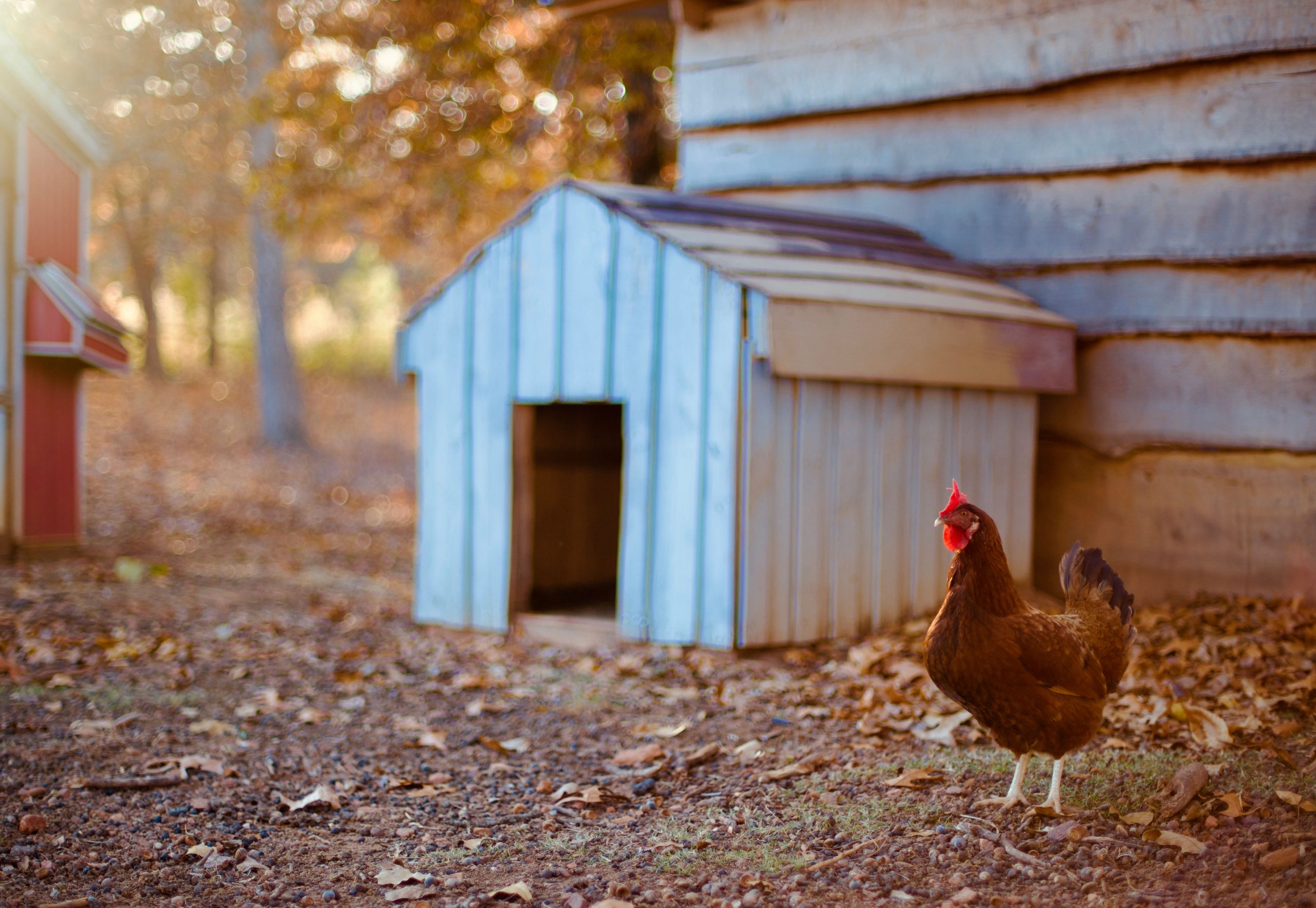
What Happens When Chickens Don’t Get Enough Space?
Crowded chickens become stressed chickens. Stress weakens their immune systems and sparks aggressive behavior like pecking or bullying. You might notice bald spots, broken feathers, or even fights breaking out—signs your coop is feeling way too much like rush hour.
Tips for Creating Comfortable Chicken Real Estate
- Think Vertical: Chickens love to perch. Adding roosts inside the coop ups the usable space and gives them a comfy spot to chill away from the floor crowd. Try adding a few natural branches, the chickens will love to climb and the bark helps file down their toenails.
- Rotate Runs: If you have a yard, move your flock regularly to fresh ground to prevent mud buildup and keep grass growing. Happy soil means happy chickens.
- Provide Enrichment: Adding dust baths, logs, and safe plants breaks up the space so chickens can pick their favorite spots—and keep their minds busy. Like animals in a zoo, they will benefit from enrichment. Even just giving new foods and treats can be enrichment enough. Swings, tree stumps, and old logs also make great fun for chickens.
The Takeaway
Space isn’t just a luxury—it’s chicken welfare 101. Generous quarters keep your birds healthy, peaceful, and productive, saving you headaches and vet visits down the line. After all, a happy hen is a noisy hen, but it’s a lot easier to live with her cheerful clucks when everyone has room to shake their tail feathers.