If you have ever fallen down an internet rabbit hole searching for unique egg colors, you may have stumbled onto something that sounds made up: black duck eggs. They are real, and they lead straight to one of the most striking waterfowl you can raise, the Cayuga duck. Known for its shimmering dark feathers and those famous inky eggs, the Cayuga is a favorite among backyard keepers who want to add beauty and variety to their flock. Whether you are homesteading in the Midwest or simply want a calm, eye-catching duck, the Cayuga deserves a serious look.
New to backyard chickens?
FlockJourney is your go-to resource for flock care, breed guides, and poultry tips straight from the experts at Hoover’s Hatchery.
What Makes the Cayuga Duck So Unique
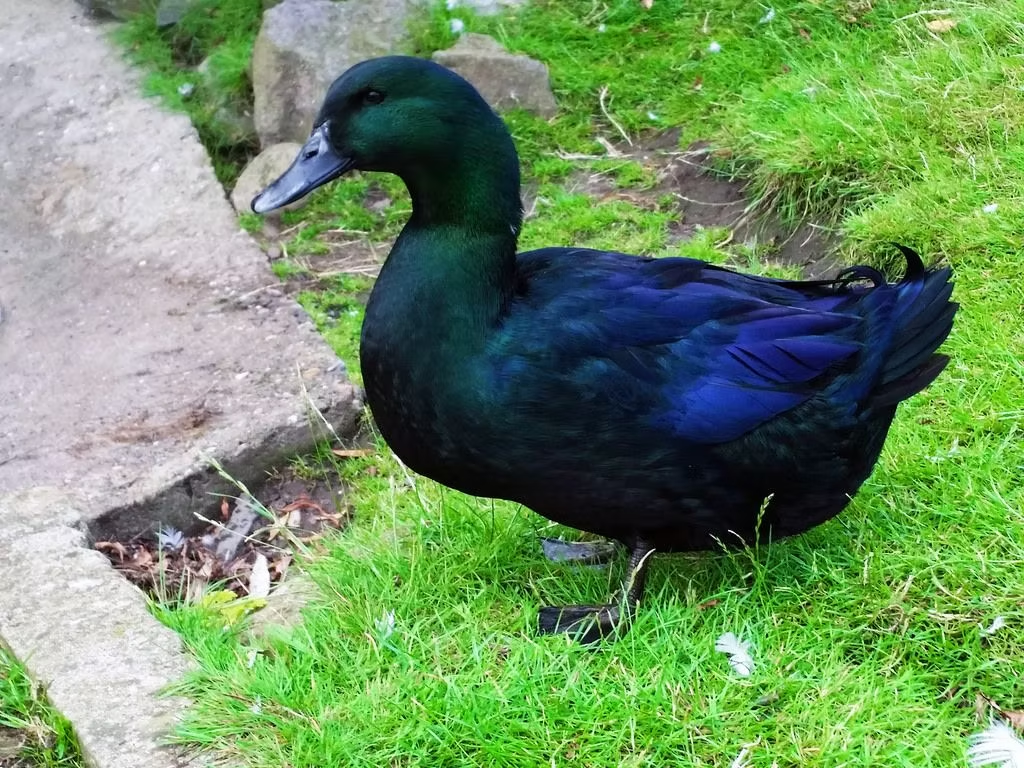
Cayuga ducks are showstoppers. Their glossy, iridescent black feathers shimmer green and blue in the sunlight, making them one of the most beautiful duck breeds you can raise. Beyond the color, a few features set them apart:
- Jet-black or slate-colored bill
- Orange to dark-washed legs
- Slightly arched neck
- Broad, sturdy body
Next to the loud white ducks that strut around like they own the yard, a Cayuga brings a quiet, elegant presence. If you are drawn to unusual, ornamental waterfowl, this breed is hard to beat. You can see the full lineup of duck breeds at Hoover’s Hatchery to compare the Cayuga against other popular choices.
History of the Cayuga Duck
The Cayuga is a true American breed. It was first developed in the mid-1800s in Cayuga County, New York, and is believed to descend from the American Black Duck, which explains both its dark coloring and its hardy nature. Early keepers valued the Cayuga for three things: its striking appearance, its meat, and its dependable egg laying. Today those same qualities make it a beloved pick for backyard farmers, hobbyists, and homesteaders across the United States. It is a breed with genuine heritage, not just good looks.
Cayuga Duck Temperament
If you want a duck that is sweet, gentle, and social, the Cayuga is an excellent choice. These ducks adapt well to mixed flocks, get along with other ducks and poultry, and absolutely love to forage. Many families successfully keep chickens, geese, and ducks together, and the calm Cayuga tends to fit right in. Ducks are undeniably fun, though they are messier than chickens, so your setup matters. If you are planning a mixed flock, our guides on raising other fowl can help you blend species smoothly.
Not sure which breed is right for you?
Browse our complete breed guides to find the perfect match for your flock goals, climate, and lifestyle.
Do Cayuga Ducks Lay Black Eggs?
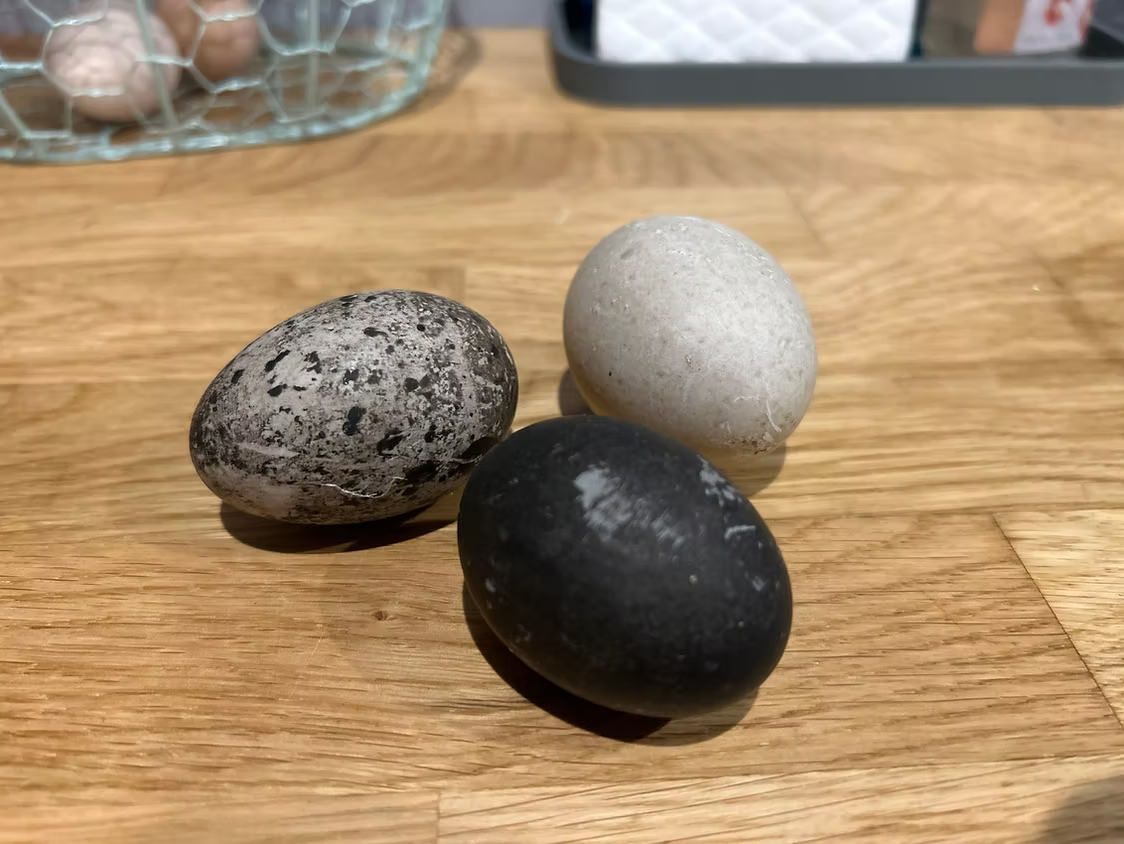
Yes, they do, but only early in the laying season. This is the trait that makes the breed famous. Here is how it works:
- A Cayuga hen lays roughly 100 to 180 medium-sized eggs per year.
- Early in the season, the eggs start out a dramatic dark black or charcoal color.
- As the season progresses, the eggs gradually lighten to gray and eventually to white.
That shifting color makes collecting eggs feel a little like opening a present each morning. Even in colder climates like Minnesota, South Dakota, or Wisconsin, Cayugas tend to lay consistently when they are well cared for. The dark pigment is a surface coating, so it can rub off, which is part of why the color fades as the hen lays more heavily.
Housing, Space, and Water Requirements
Like all ducks, Cayugas thrive when their basic needs are met. Provide clean water for swimming, dabbling, and washing their faces, along with safe shelter from predators, dry bedding, and outdoor space to forage and explore. A secure, well-built structure is essential, since ducks are vulnerable to predators, especially at night. A sturdy shelter or coop paired with a solid nighttime lock-up routine keeps your flock safe.
Winter water access is often the biggest challenge for duck keepers in cold regions. If you live somewhere with hard freezes, plan ahead with:
- A heated water dish to keep drinking water from freezing solid
- A safe, shallow tub that can be dumped and refilled daily
- Extra bedding for traction and warmth
Keeping ducks in cold places is completely doable, it just takes a little planning. For more on keeping any flock safe from nighttime raiders, see our guide to protecting your backyard flock from predators.
What Cayuga Ducks Eat
A balanced waterfowl feed is the foundation of duck health and steady egg production. Ducks have slightly different nutritional needs than chickens, so a feed formulated for waterfowl is worth seeking out. On top of their main feed, you can safely offer treats in moderation, including fresh greens, peas, corn, mealworms, and duck-safe garden scraps. These extras keep foraging interesting and add variety without unbalancing their diet. Fresh, clean water should always be available, both for drinking and for keeping their bills and eyes clean. Our duck care resources go deeper on feeding and daily routines.
Common Cayuga Duck Health Concerns
Cayugas are hardy birds, but a few quick weekly checks go a long way toward keeping them healthy. Watch for external parasites, which can be harder to spot against dark feathers, and respiratory issues that often trace back to damp or dirty bedding. Nutritional deficiencies and foot problems from slippery surfaces are also worth monitoring. The best prevention is simple: offer clean water daily, keep bedding dry, provide good footing, and do a brief hands-on health check each week. Catching small issues early keeps them from becoming big ones.
Frequently Asked Questions
Do Cayuga ducks really lay black eggs?
Yes, Cayuga ducks lay dark black or charcoal-colored eggs early in the laying season. The color comes from a surface pigment coating and gradually lightens to gray and then white as the season goes on. This unique color-changing egg is the trait the breed is best known for.
How many eggs do Cayuga ducks lay per year?
A well-cared-for Cayuga hen lays roughly 100 to 180 medium-sized eggs per year. They tend to lay consistently even in colder climates when their basic needs are met. Egg production is dependable, though not as high as specialized laying breeds.
Are Cayuga ducks good for beginners?
Cayuga ducks are a great choice for beginners who want a calm, friendly waterfowl. They are sweet, social, and adapt well to mixed flocks with other ducks and poultry. The main learning curve is meeting their water and housing needs, which is very manageable with a little planning.
Can Cayuga ducks handle cold winters?
Yes, Cayugas are hardy and descend from the cold-tolerant American Black Duck. They do well in northern climates as long as they have dry bedding, safe shelter, and access to unfrozen water. A heated water dish and extra bedding make winter care much easier.
What do Cayuga ducks eat?
Cayuga ducks should eat a balanced waterfowl feed as the core of their diet. You can supplement with fresh greens, peas, corn, mealworms, and duck-safe garden scraps in moderation. Clean, fresh water must always be available for drinking and for keeping their bills and eyes clean.
The Cayuga duck is beautiful, friendly, unique, and surprisingly easy to manage once you have the right setup in place. Between the shimmering feathers, the color-shifting eggs, and the gentle personality, it is a breed that rewards backyard keepers who want something a little different. If you have been dreaming about adding waterfowl to your flock, the Cayuga is a wonderful place to start.
Ready to add Cayuga ducks to your flock?
Hoover’s Hatchery ships healthy ducklings straight to your door from hatcheries across the US. Start your waterfowl journey with the striking Cayuga.