Easter has a way of sneaking up on us, and before you know it, the stores are stocked with cartons of plain white eggs ready for the dye kit. But if you keep a backyard flock, you already have something far more exciting waiting in the nest box. Learning how to dye fresh eggs from your own hens turns a simple holiday craft into a celebration of everything your flock produces. Fresh eggs come in a rainbow of natural shades, and that head start gives you colors a store-bought carton simply cannot match.
New to backyard chickens?
FlockJourney is your go-to resource for flock care, breed guides, and poultry tips straight from the experts at Hoover’s Hatchery.
Why Fresh Eggs Make the Best Easter Eggs
Many of us are quick to grab a dozen eggs from the store when, in reality, we already have exactly what we need in the coop outside. Depending on the breeds you keep, your hens may lay eggs that are essentially pre-dyed by nature. Backyard eggs can come in blue, green, light brown, dark brown, cream, and classic white, and that built-in variety is the secret to standout Easter eggs. When you start with a colored shell instead of a blank white one, every dip in the dye produces a richer, more layered result.
The fun really begins when you understand how dye reacts to different shell colors. A white egg gives you the truest version of whatever color you choose, while a tinted shell shifts the outcome in unexpected ways. According to longtime egg-dyers, the underlying shell acts like a base coat that the dye builds on top of. If you want to know which hens lay the prettiest shells, our guide to colored egg layer breeds is a great place to start planning your flock.
How Different Egg Colors Change Your Dye Results
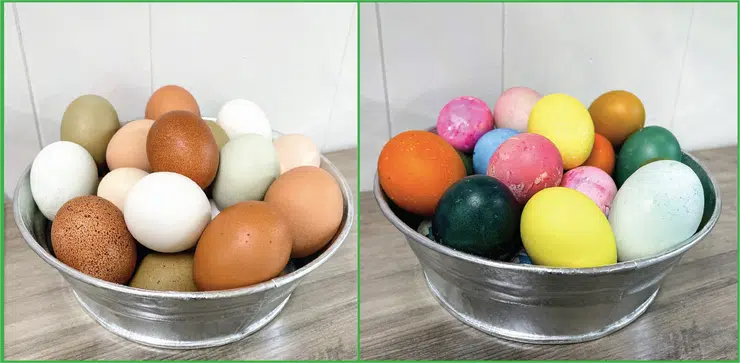
The variation in natural shell color gives you a vast range of shades once the dye goes on. Different egg colors take on different hues, and sometimes they create an entirely new color. Drop a light blue egg into yellow dye, for example, and you will pull out a beautiful green. That kind of color mixing is impossible with a plain white egg, which is why a mixed flock is such an advantage at Easter.
Some of the most dramatic results come from very dark shells. Black Copper Marans lay deep, chocolate-brown eggs that turn into some of the most stunning green and dark blue dyed eggs you will ever see. The dark base gives the color incredible depth and a moody, jewel-tone finish. If you love that look, the French Black Copper Marans from Hoover’s Hatchery are famous for their rich brown eggs, and the playful Easter Egger lays blue and green shells that practically dye themselves.
Not sure which breed is right for you?
Browse our complete breed guides to find the perfect match for your flock goals, climate, and lifestyle.
Simple Tips for Brighter, More Vibrant Eggs
Once you have gathered your eggs, a few small tricks make a big difference in how bold the final colors turn out. The single most important lesson is patience. The longer an egg sits in the dye, the darker and more vibrant the color becomes, so resist the urge to pull them out after a quick dunk. Letting eggs soak for several minutes, or even longer for deep shades, rewards you with saturated, eye-catching results.
It also helps to go heavier on the dye itself. Adding two color tablets per container instead of one really makes those colors pop, especially on darker or tinted shells that need extra pigment to shine through. Hard-boil your eggs first if you plan to display or eat them, handle them gently to avoid cracks, and let each egg dry on a rack so the color sets evenly. For more egg-focused projects and seasonal ideas, our All About Eggs collection is full of inspiration.
Turning Egg Dyeing Into a Family Tradition
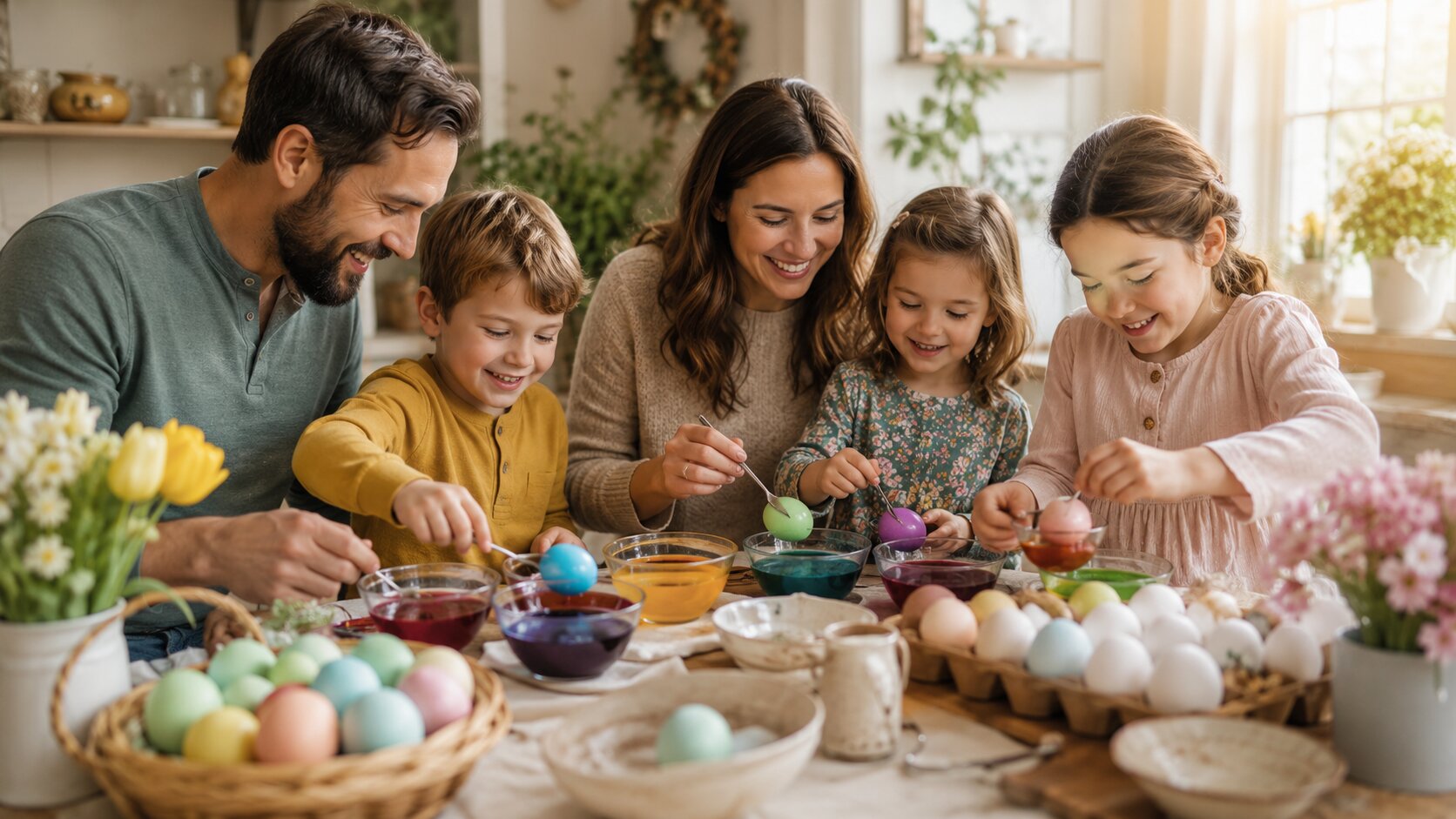
Dyeing eggs from your own coop is one of those rare crafts that connects kids directly to where their food comes from. Gathering eggs in the morning, sorting them by shell color, and predicting how each one will turn out becomes a hands-on lesson in poultry and a memory in the making. If you are thinking about growing your flock for the season, take a look at our thoughts on gifting baby chicks for Easter before you bring home new birds.
Frequently Asked Questions
Can you dye fresh eggs straight from the coop?
Yes, you can dye fresh eggs from your coop, and they often produce more interesting colors than store-bought white eggs. Wash them gently to remove any debris and hard-boil them first if you plan to eat or display them. Because backyard eggs already come in natural shades, your dyed results will be richer and more varied.
What egg colors do backyard chickens lay?
Backyard chickens lay eggs in blue, green, light brown, dark brown, cream, and white, depending on the breed. Easter Eggers produce blue and green shells, Marans lay deep chocolate-brown eggs, and many common breeds lay shades of brown. A mixed flock gives you the widest palette of natural shell colors to work with.
How do you make dyed eggs more vibrant?
Leave the eggs in the dye longer, since the color deepens the longer they soak. Using two color tablets per container instead of one also boosts the intensity, especially on darker shells. Letting eggs dry fully on a rack helps the color set evenly without smudging.
What happens when you dye a colored egg?
Dyeing a naturally colored egg blends the shell color with the dye to create new shades. A light blue egg dipped in yellow dye turns green, and a dark brown Marans egg takes on deep, jewel-tone greens and blues. The natural shell acts as a base coat that the dye builds on, giving results you cannot get from a plain white egg.
This Easter, skip the trip to the store and head out to the coop instead. Your hens have been working all year to give you a basket full of color, and a little dye is all it takes to turn those farm-fresh eggs into something truly special. Gather the family, line up your brightest shells, and enjoy the most rewarding egg hunt of the year.
Want eggs in every color of the rainbow?
Hoover’s Hatchery ships healthy, vaccinated chicks straight to your door, including blue, green, and dark brown egg layers perfect for a colorful Easter basket.