
Quick answer
Daylight Saving Time itself does not affect chickens, because their clock is the sun. Shorter autumn days do: they trigger molting, cut egg laying (often stopping it in winter), and send hens to roost earlier. Give your flock energy rich feed, a draft free coop and no water inside at night.
Does Daylight Savings Time affect chickens?
Well, the short answer is no. Of course chickens don’t have a need to understand numerical times, but YES they are affected by the shortening of days.
Why Is Autumn Hard on Chickens?
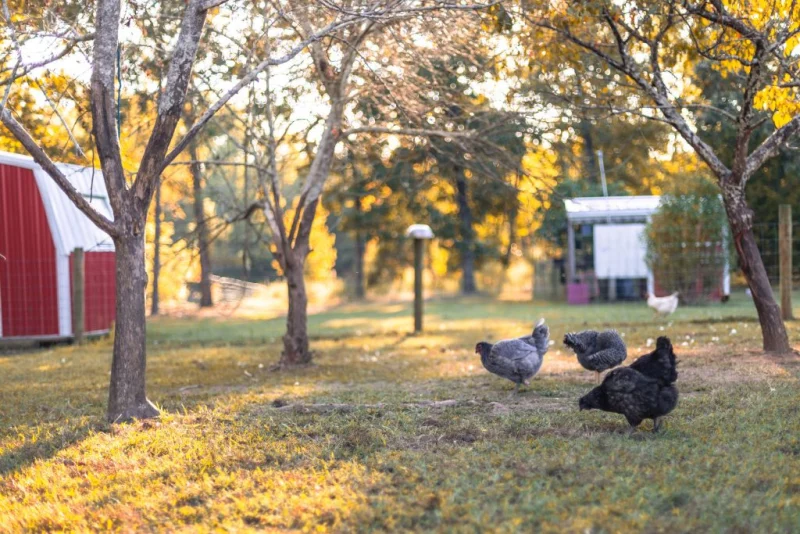
Autumn can be a rough time for chickens. You probably have noticed all of your birds molting. Molting happens to every chicken, every fall. They drop their old feathers, and grow in a new, fresh set for winter. They can be more vulnerable to cold during this time. Some of my girls go almost completely naked during molting season. One named Smarty, gets so puny, she literally looks like a disgruntled pigeon as she runs across the yard.
How Do Chickens Know When It Is Bedtime?
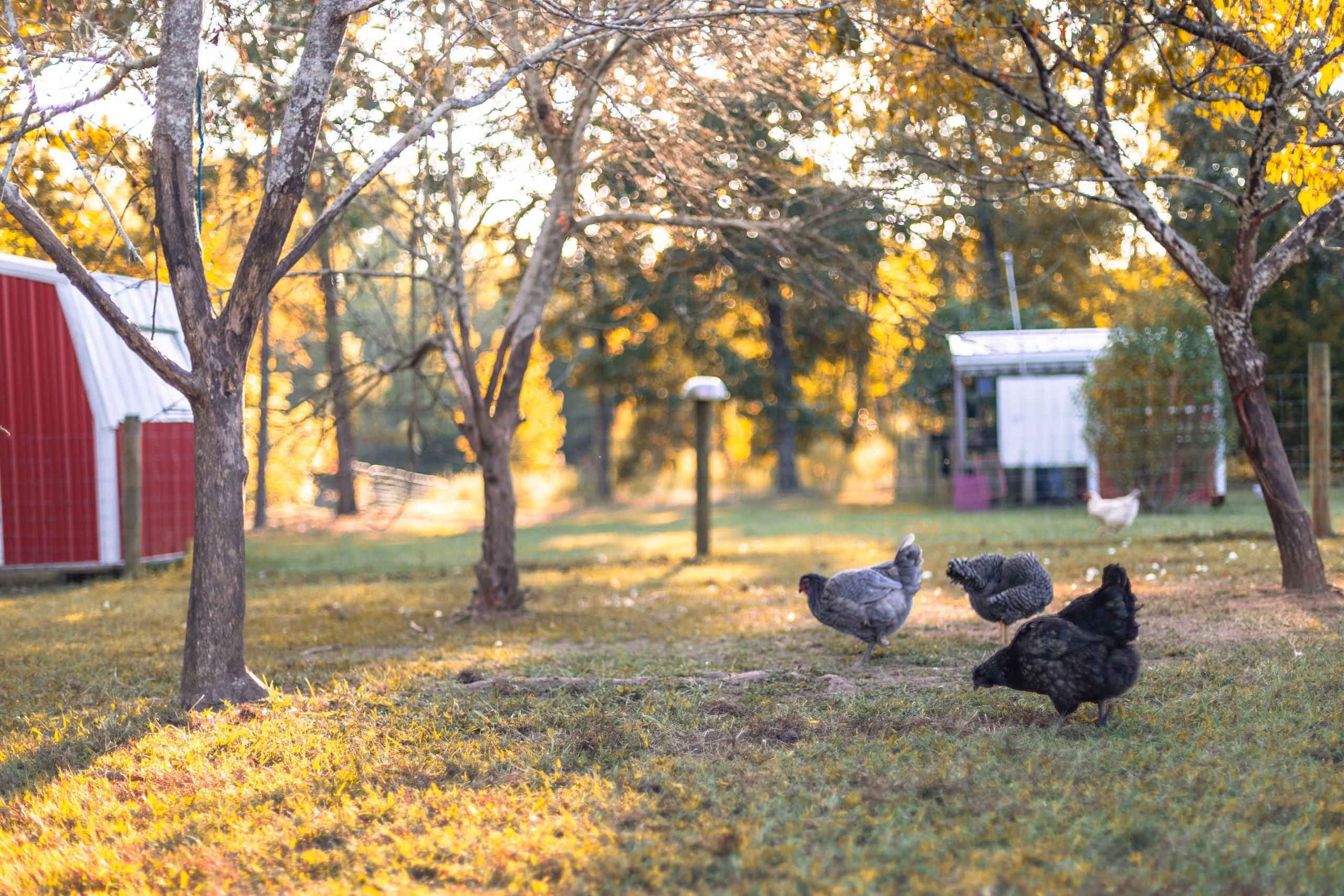
Chickens are creatures of habit. Their clock is the sun. It doesn’t matter to them if bedtime used to be at 9:00, but now it’s at 6:00. When the sun sets, that tells chickens it’s time to go up. Personally, the chickens going to bed earlier works for me! If you lock your flock up at night, you know the struggle of getting everyone in the coop when it’s still bright outside at 8:45pm in the summer.

What Changes in Chickens When Days Get Shorter?
With the sun as their guide, chickens undergo some internal changes when the days shorten. They now will lay less eggs, even stopping completely in winter. The darker days trigger the molt, which I mentioned previously. They will be spending more energy staying warm.
How Can You Help Chickens Through Fall and Winter?
Just remember to please give your flock more energy rich foods this fall and winter. Whole corn makes a great evening snack for them, and will heat up their bodies during nighttime digestion. (It’s also a great way to persuade them to go up!) Ensure the coop is free of drafts and remember- no water inside the coop. (This prevents frostbite.)
Daylight Savings Time can be rough on everyone, chickens and humans included. Just prepare to hunker down and bring plenty of snacks- for your flock that is!
Frequently Asked Questions
Does the time change confuse chickens?
Not really. Chickens do not read a clock, they follow the sun. Going up to roost at sunset stays the same whatever the hour says. The adjustment is yours, mostly when you lock the coop.
Why do chickens stop laying in winter?
Shorter days signal their bodies to lay less, and many hens stop completely for winter. They are also using more energy to stay warm and often molting. Egg numbers return as the days lengthen.
Why are my chickens losing feathers in fall?
That is molting. Every chicken drops old feathers each fall and grows a fresh set for winter. They can feel the cold more while molting, so keep the coop free of drafts.
What should I feed chickens in fall and winter?
Offer energy rich feed as the weather cools. Whole corn is a popular evening snack, because digesting it overnight helps warm them, and it can also coax hens into the coop. Keep their regular balanced feed available.
Should I keep water in the coop overnight?
No. Keep water outside the coop in cold weather, because moisture inside can contribute to frostbite. Make sure water outside is clean and unfrozen during the day. Call a poultry-experienced veterinarian if you see frostbite or a hen in distress.