It’s that time of year again when some folks are busy holiday shopping and others are already dreaming about spring gardens. Around here? I’m shopping for my next chicken breeds! Building a flock is one of the most exciting parts of keeping backyard chickens, and if a basket full of soft blue eggs is on your wish list, the Cream Legbar deserves a spot at the top. This is the breed that turned my own egg basket into something straight out of a Pinterest board, and today I want to walk you through everything that makes it so special.
New to backyard chickens?
FlockJourney is your go-to resource for flock care, breed guides, and poultry tips straight from the experts at Hoover’s Hatchery.
Where the Cream Legbar Came From
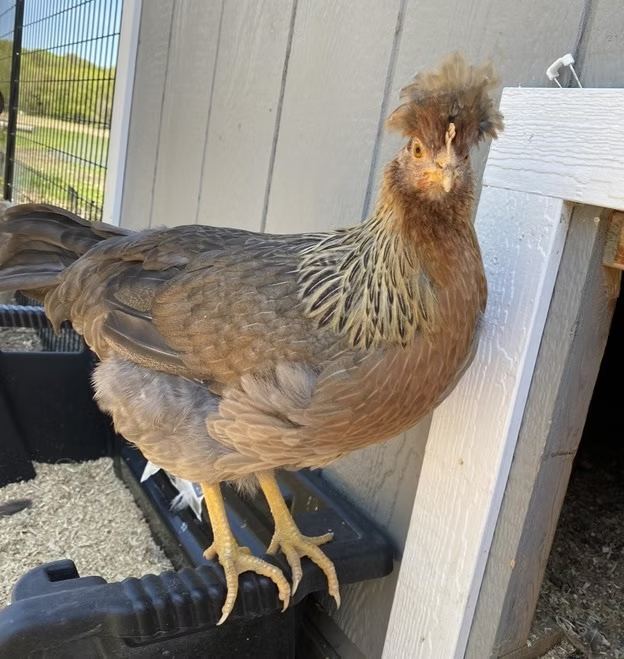
The Cream Legbar is a lightweight British breed with a genuinely fascinating backstory. According to Hoover’s Hatchery, it was developed in the 1930s by crossing blue egg-laying birds from South America (similar to the Araucana) with Golden Penciled Hamburgs and Buff, Brown, and White Leghorns. The geneticists behind the project had a very specific goal in mind: to create a blue egg-laying chicken that was also auto-sexing. After roughly 15 years of careful breeding work, the Cream Legbar was finally established and made its public debut at the London Dairy Show in 1947. That single bird carries decades of intentional design, which is part of why poultry keepers find it so charming.
What Auto-Sexing Means (And Why It Matters)
This is the feature that sets the breed apart from nearly every other backyard chicken. Auto-sexing means that generation after generation, you can tell the boys from the girls the day they hatch, simply by looking at the color of their down. No waiting weeks to find out whether you accidentally brought home a rooster. For new keepers learning the ropes of raising healthy baby chicks, that kind of certainty is a real gift, especially in towns and cities where roosters aren’t allowed. It also means you can grow your flock with confidence, adding as many pullets as you want without the guessing game. Starting with strong, healthy day-old chicks gives those auto-sexing traits the best chance to shine.
Blue Eggs by the Basketful
Let’s talk about the real reason most people fall for this breed. Cream Legbars lay approximately 280 beautiful, medium-sized blue eggs per year. That is a steady, generous output, and the soft blue shade looks gorgeous nestled among brown and white eggs from the rest of your flock. If a colorful egg basket is your goal, this breed will not disappoint. You can see the full lineup of blue and tinted egg producers on the Hoover’s Hatchery colored egg layers collection, where the Cream Legbar sits right alongside other rainbow-basket favorites.
Not sure which breed is right for you?
Browse our complete breed guides to find the perfect match for your flock goals, climate, and lifestyle.
Looks and Personality
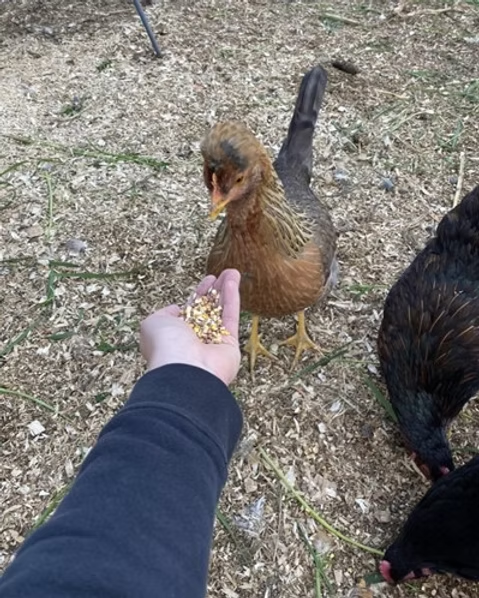
Sometimes called the Crested Cream Legbar, this breed wears a cute little poof of feathers on top of its head and a single comb that may stand straight up or flop charmingly to one side. The plumage is a lovely mix of cream shades overlaid with faint black barring, and the overall look is delicate and pretty without being fussy.
I have one Cream Legbar in my own flock, a hen named Scarlett. When she was a new chick, she was docile, friendly, and perfectly content at the bottom of the pecking order, never bothering the other birds. She is not the snuggliest chicken I have ever owned, but she is consistently kind to people. I will admit she got a little bossy once she saw an opening to claim the top spot, but as long as the good snacks keep coming, there is peace in the coop! As a breed, Cream Legbars are friendly, even-tempered birds that get along well with families and other chickens.
Care and Climate
One of the things I love most about this breed is how easygoing it is to keep. Cream Legbars handle both cold and heat well, which makes them a flexible choice for nearly any region. They are lightweight, active, and excellent foragers, so they thrive when given room to roam and explore. They also tend to be fairly quiet, which makes them a wonderful fit for urban and suburban backyards where noise can be a concern. They rarely go broody, so you can count on steady laying rather than long breaks for setting on eggs. Whatever breed you choose, a secure setup matters, so be sure to brush up on keeping your backyard flock safe from predators before the birds move in.
One honest note: Cream Legbars are not bred for meat production. They are a lean, lightweight breed, and that is perfectly fine because almost no one keeps them for the table. People keep them for those stunning blue eggs and their cheerful, manageable personalities.
Frequently Asked Questions
How many eggs do Cream Legbars lay?
Cream Legbars lay approximately 280 medium-sized blue eggs per year. That makes them reliable layers, and their soft blue eggs add wonderful color to a mixed egg basket.
Are Cream Legbars good for beginners?
Yes. They are friendly, hardy in both heat and cold, quiet enough for urban areas, and rarely broody. Because they are auto-sexing, beginners can also tell hens from roosters at hatch, which removes a lot of early guesswork.
What does auto-sexing mean in chickens?
Auto-sexing means you can determine a chick’s sex on the day it hatches just by looking at the color of its down. The Cream Legbar was specifically bred to have this trait, so the difference between male and female chicks is visible from day one.
Do Cream Legbars really lay blue eggs?
They do. Blue egg color is one of the breed’s defining features and the main reason it was developed. The breed traces its blue-egg genetics back to South American birds similar to the Araucana.
If you have been waiting for a breed that gives you gorgeous blue eggs, a gentle personality, and the bonus of knowing the hens from the roosters at hatch, the Cream Legbar checks every box. I genuinely recommend adding one or a few to your flock. As a whole, they are wonderful birds, and because they are so easy to sex, you can grow your blue-egg basket as big as you like. Until next time, happy flock building!
The Wing Lady
Ready to add Cream Legbars to your flock?
Hoover’s Hatchery ships healthy, vaccinated chicks straight to your door. Start your blue-egg basket with this friendly, auto-sexing favorite.