Every so often a chicken comes along that checks nearly every box, and the Bielefelder chicken breed is exactly that kind of bird. With its gorgeous feathering, gentle personality, and dependable brown eggs, this German-bred beauty has quietly become a favorite among backyard keepers across the United States. It is the sort of breed you spot once in a hatchery catalog and immediately add to your wish list. If you are curious whether the Bielefelder belongs in your coop, our full Bielefelder breed page and the guide below will tell you everything you need to know.
New to backyard chickens?
FlockJourney is your go-to resource for flock care, breed guides, and poultry tips straight from the experts at Hoover’s Hatchery.
History of the Bielefelder Chicken Breed
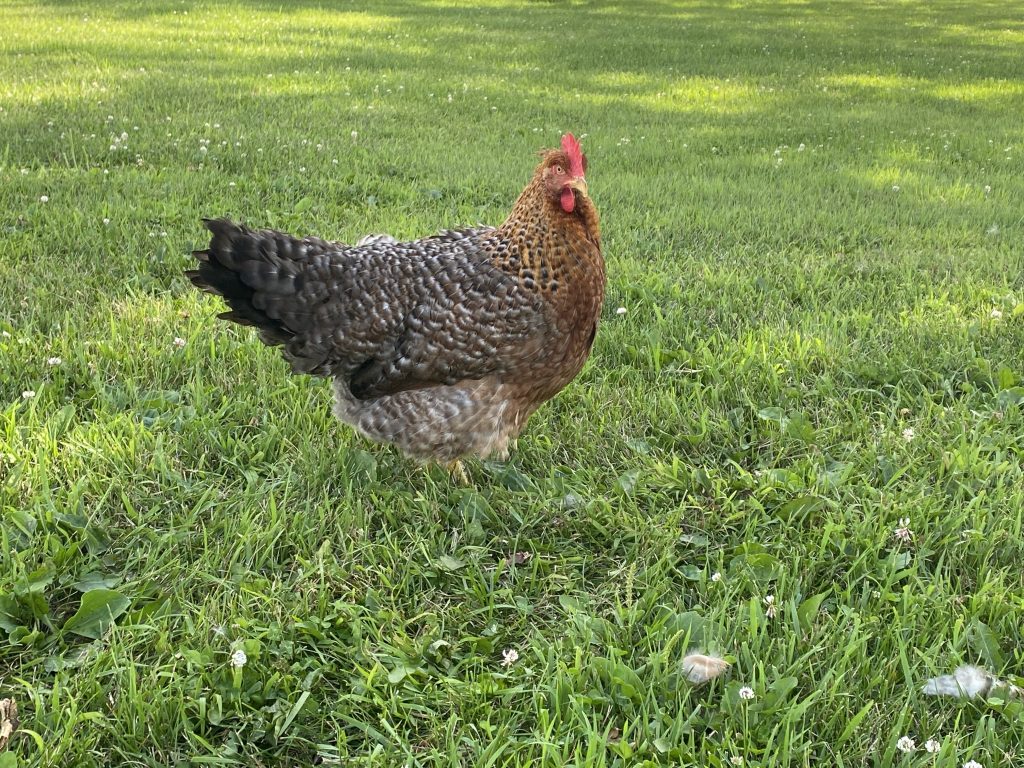
The Bielefelder (pronounced Bee-luh-feld-er) is a relatively modern breed, developed in the 1970s by German breeder Gerd Roth. His goal was a single chicken that excelled at both egg and meat production while staying hardy, calm, and easy to manage. To get there, he carefully crossed several proven breeds, including Rhode Island Reds, New Hampshires, Malines, Amrocks, and Wyandottes. The result combined the best of each parent: strong laying ability, robust health, an even temperament, and striking good looks. Although it originated in Germany, the Bielefelder has grown steadily more popular in the U.S. thanks to those dual-purpose qualities and its famously easygoing nature. Whether you are a seasoned keeper or just starting out, this breed earns a serious look.
Bielefelder Appearance: Striking Feathers and Autosexing Chicks
One of the first things people fall for is the Bielefelder’s plumage, a warm blend of rich browns, golds, and soft creams. The pattern closely resembles the crele coloring, a mix of cuckoo barring and Black-Breasted Red that layers black, orange, red, and cream into something genuinely eye-catching. Hens wear a soft brown base with subtle gray and white barring for a cozy, fall-inspired look, while roosters show off bold orange and cream barring across the hackles, back, and saddle, finished with deep black tails and crisp white bars.
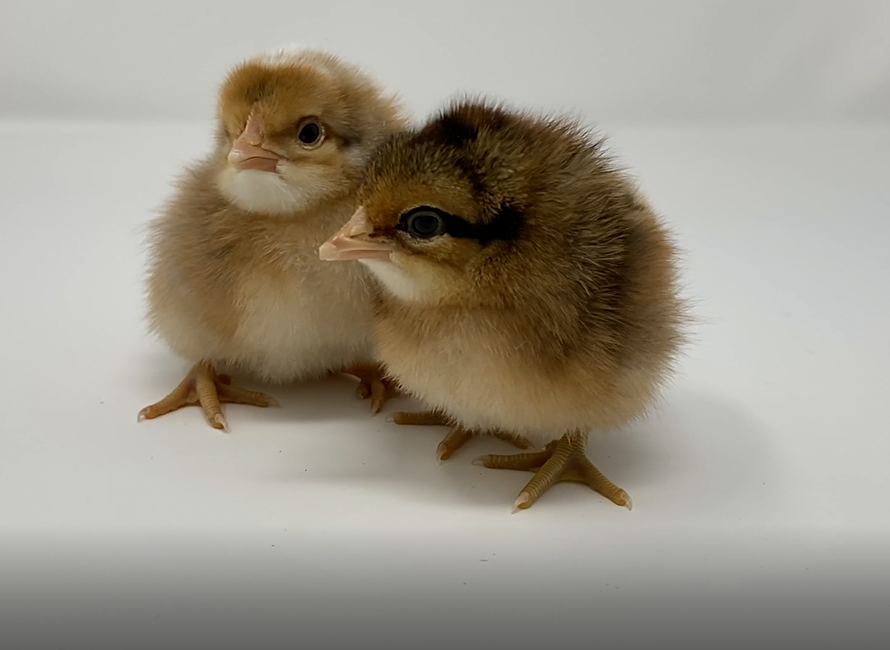
Beyond the color, this breed comes with several standout features. The Bielefelder is an autosexing breed, which means you can tell males from females at hatch by their markings. Pullet chicks sport bold brown “chipmunk stripes” down their backs, while cockerel chicks are noticeably lighter and lack the stripes. Adults carry a classic single comb paired with vibrant red wattles that pop against their feathering, and their tight-fitting plumage helps shield them from wind, rain, and cold. They are also a substantial bird: roosters average 7 to 8 pounds and hens around 5 to 6 pounds, which is part of what makes them so well suited to both eggs and meat.
Bielefelder Temperament: Calm, Friendly, and Family-Friendly
Good looks aside, the Bielefelder’s personality is what truly wins people over. These birds are sweet, sociable, and remarkably calm, and they rank among the best chicken breeds for families with children. They tend to be curious and confident rather than flighty or aggressive, and if you spend time in the run, they will often wander over to investigate or follow you around hoping for a snack. Bielefelders settle in happily whether they free-range across the yard or live in a more confined coop, though they clearly love room to explore. If you want to keep your foraging flock entertained, planting some quick-growing plants for your chicken run is a wonderful way to give them something to do. Their easygoing manner also makes them excellent additions to an existing flock, since they rarely turn dominant or combative with other birds.
Not sure which breed is right for you?
Browse our complete breed guides to find the perfect match for your flock goals, climate, and lifestyle.
Bielefelder Egg Production: Reliable Layers of Brown Eggs
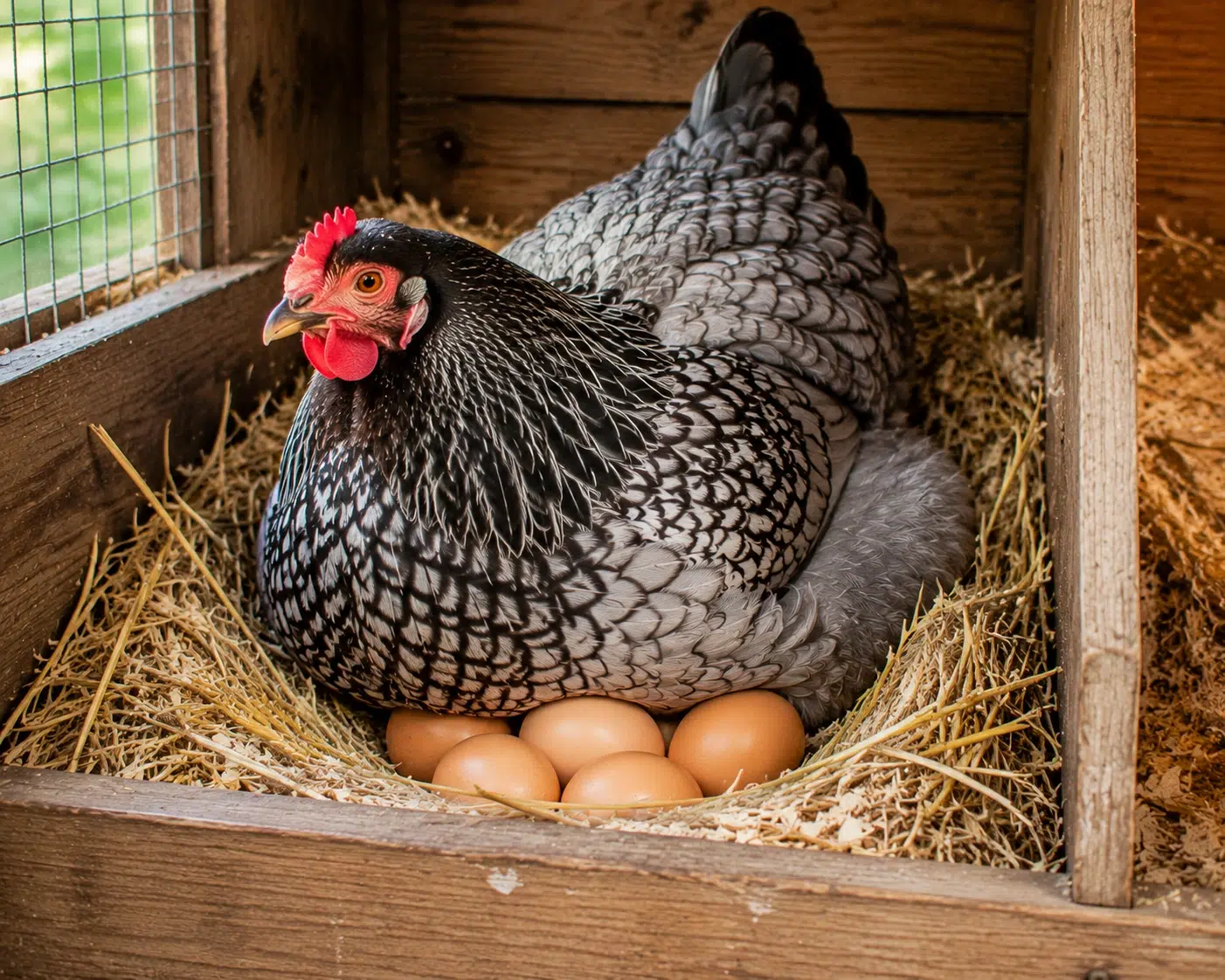
If eggs are your priority, the Bielefelder will not disappoint. Hens typically lay 200 to 250 medium to large brown eggs per year, and they keep producing even through the colder months when many other breeds slow down. Most pullets begin laying around 5 to 6 months of age and stay consistent well into their second and third laying seasons. The eggs themselves have strong shells and a rich brown color that stands out beautifully in the carton, which makes this breed a standout among classic brown egg layers. On top of all those eggs, the Bielefelder’s larger frame and relatively quick growth make it a solid meat bird too, so homesteaders who want one breed that can do it all will find a lot to like.
Cold and Heat Hardy: Built for Tough Climates
Plenty of regions swing from subzero winters to hot, humid summers, and not every chicken can handle that range. The Bielefelder can. This breed is known for adapting to a wide variety of climates, from bitter cold to summer heat. Its tight feathering and robust genetics help it shrug off cold snaps, while its laid-back temperament keeps it from overheating when temperatures climb. The birds will still appreciate a little extra shade and good ventilation during the warmest stretches, but overall they are about as weather-resilient as a backyard chicken gets, which is one more reason they suit all-season flocks so well.
Is the Bielefelder Chicken Breed Right for Your Flock?
If you are after a chicken that is friendly, beautiful, and genuinely practical, the Bielefelder is hard to beat. It delivers steady brown eggs, handles tough weather, gets along with the rest of the flock, and rewards you with a calm, people-loving personality. That combination makes it a fantastic pick for beginners and families, as well as for experienced keepers who want a reliable all-rounder. If you love the idea of a versatile bird, it is also worth exploring our other dual-purpose breeds to compare your options. There really is nothing better than a gorgeous, gentle chicken that serves up breakfast with a side of personality.
Frequently Asked Questions
Are Bielefelder chickens good for beginners?
Yes, Bielefelders are an excellent choice for first-time chicken keepers. Their calm, friendly temperament makes them easy to handle, and their hardiness means they forgive small mistakes while you learn. They are also great around children, which adds to their appeal for family flocks.
How many eggs do Bielefelder chickens lay?
Bielefelder hens typically lay 200 to 250 medium to large brown eggs per year. They are reliable producers that often continue laying through the colder months when other breeds slow down. Most hens begin laying around 5 to 6 months of age.
Are Bielefelder chickens really autosexing?
Yes, the Bielefelder is a true autosexing breed, so you can tell males from females at hatch. Pullet chicks have distinct brown “chipmunk stripes” down their backs, while cockerel chicks are lighter and lack those stripes. This makes it much easier to plan your flock from day one.
How big do Bielefelder chickens get?
Bielefelders are a large, substantial breed. Roosters average around 7 to 8 pounds, while hens usually weigh 5 to 6 pounds. That generous size is part of what makes them such a capable dual-purpose bird for both eggs and meat.
Are Bielefelder chickens cold hardy?
They are very cold hardy. Their tight, weather-resistant feathering and sturdy genetics help them handle freezing temperatures with ease, and they continue laying through winter better than many breeds. They tolerate summer heat well too, especially with access to shade and ventilation.
From its German origins to its people-loving personality, the Bielefelder truly is a breed that does it all. It is beautiful enough to turn heads, hardy enough for almost any climate, and productive enough to keep your egg basket full year-round. If a calm, colorful, dual-purpose chicken sounds like the perfect fit, the Bielefelder may just become the new star of your flock.
Ready to add Bielefelders to your flock?
Hoover’s Hatchery ships healthy, vaccinated Bielefelder chicks straight to your door, so you can start raising this calm, colorful dual-purpose breed at home.