Raising livestock is one of the most rewarding parts of farm and homestead life, but it can also be genuinely hard work, and it’s easy to underestimate just how much care large animals demand. Many people dream of pastures filled with cattle, horses, sheep, or goats. Before you take that leap, though, it’s worth asking whether you’re truly ready for the responsibility. There’s a smarter way to find out: ease into livestock keeping by starting with chickens. Here’s why chickens are the perfect first animal for new farmers, and what makes them so much more forgiving than large livestock.
New to backyard chickens?
FlockJourney is your go-to resource for flock care, breed guides, and poultry tips straight from the experts at Hoover’s Hatchery.
What Raising Livestock Really Involves
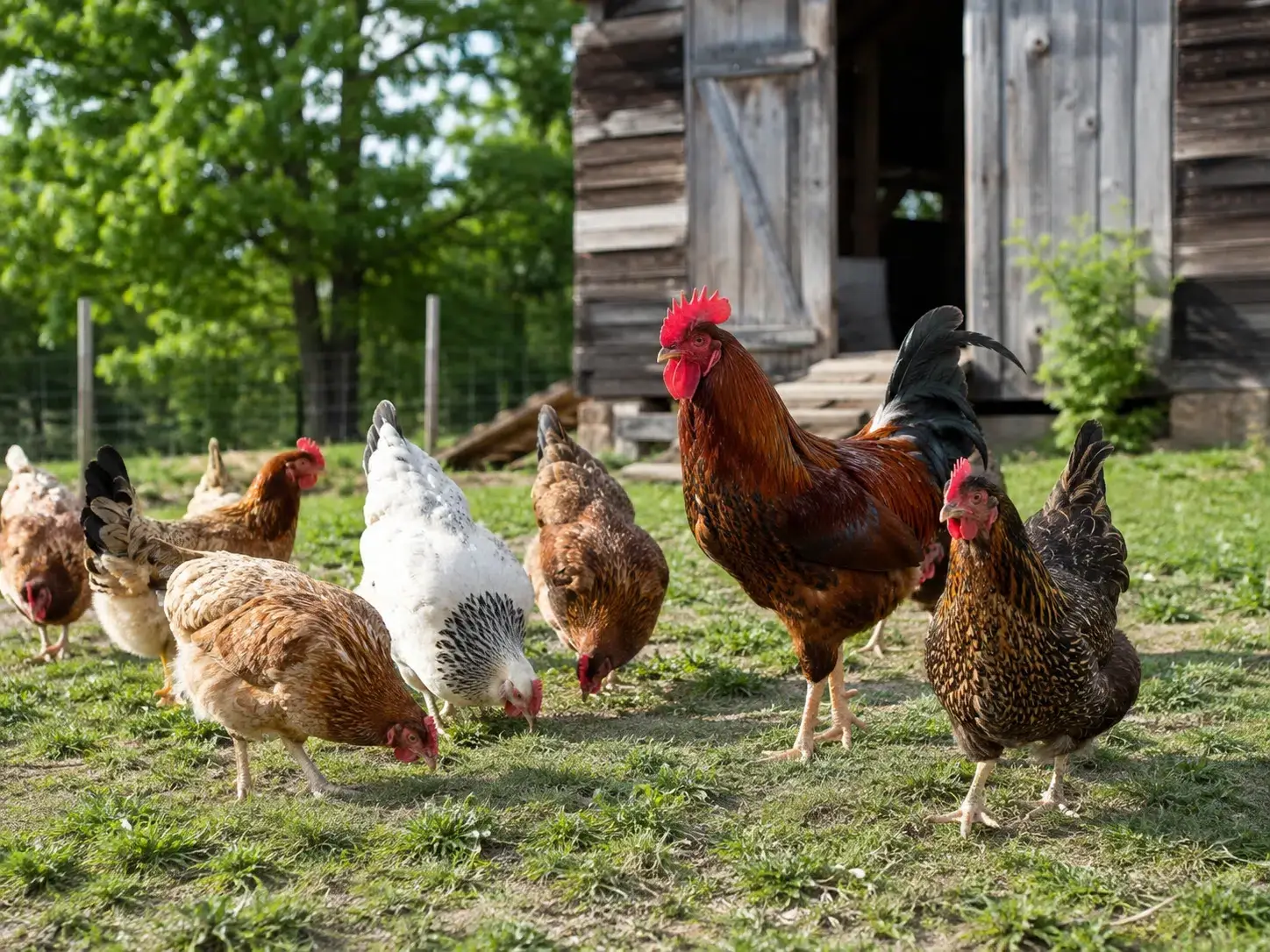
When you take on livestock, you become responsible for every one of the animal’s needs: food, water, shelter, and comfort, plus keeping them healthy and nursing them back when they aren’t. That’s a serious commitment with a large animal, and the mistakes are costly. Chickens let you learn the rhythm of daily animal care, feeding, watering, cleaning, observing, on a scale that’s forgiving of the beginner’s learning curve. Master a flock of hens, and you’ll have a genuine feel for whether bigger livestock is right for you.
Why Chickens Are the Perfect Livestock for New Farmers
It comes down to their small size and easygoing needs. Here’s how that plays out in practice.
1. They Need a Smaller Enclosure
A smaller animal requires smaller housing. To get started with chickens, you’ll need a coop and a run, which is relatively simple and inexpensive compared to the barns, run-in sheds, and sprawling pastures that cattle or horses require. Our guide to whether chickens make good pets covers what that daily commitment actually looks like, and a well-built chicken coop gives you a straightforward starting point.
2. They Are Easier and Safer to Handle
Livestock don’t always respond to human handling the way dogs and cats do. Where pets crave attention, livestock often won’t, and they may not react to your handling the way you’d expect. That matters more with big animals: cattle and horses can become dangerous if you don’t know how to handle them properly. Chickens, being small, are far easier and safer to manage, even if you’re still learning. Some even come to act like pets.
3. They Cost Less to Get Started
Chickens are cheaper to buy than large livestock and eat far less feed, so the initial investment is much smaller. That’s the whole point of starting here: you can try raising chickens and discover whether you really want the responsibility of livestock before sinking a lot of money into it. It’s a low-cost test of the lifestyle.
Not sure which breed is right for you?
Browse our complete breed guides to find the perfect match for your flock goals, climate, and lifestyle.
4. They Get Easier to Care For as They Age
Here’s a pleasant surprise. Chicks need the most care when they’re young, but just like other babies, they’re so cute at that stage that the extra attention feels like a joy rather than a chore. Unlike many animals, chickens actually get easier to care for as they grow up. Mature hens thrive on being fed and watered once a day with a clean coop, while horses, cattle, goats, and sheep often need far more frequent attention than a once-a-day feeding. If you do need to be away, our guide to chicken care when you’re away shows just how manageable a flock can be.
5. They Have Lower Vet Bills
Large livestock need regular veterinary care. An experienced farmer can handle much of it, but a newcomer will need professional help, and vet bills for big animals add up fast. Chickens, by contrast, are hardy as a group and rarely need veterinary care. With proper feeding and management, they seldom get sick. That’s a much gentler place to start than learning animal health on a thousand-pound animal.
Ready to Start? A Few First Steps
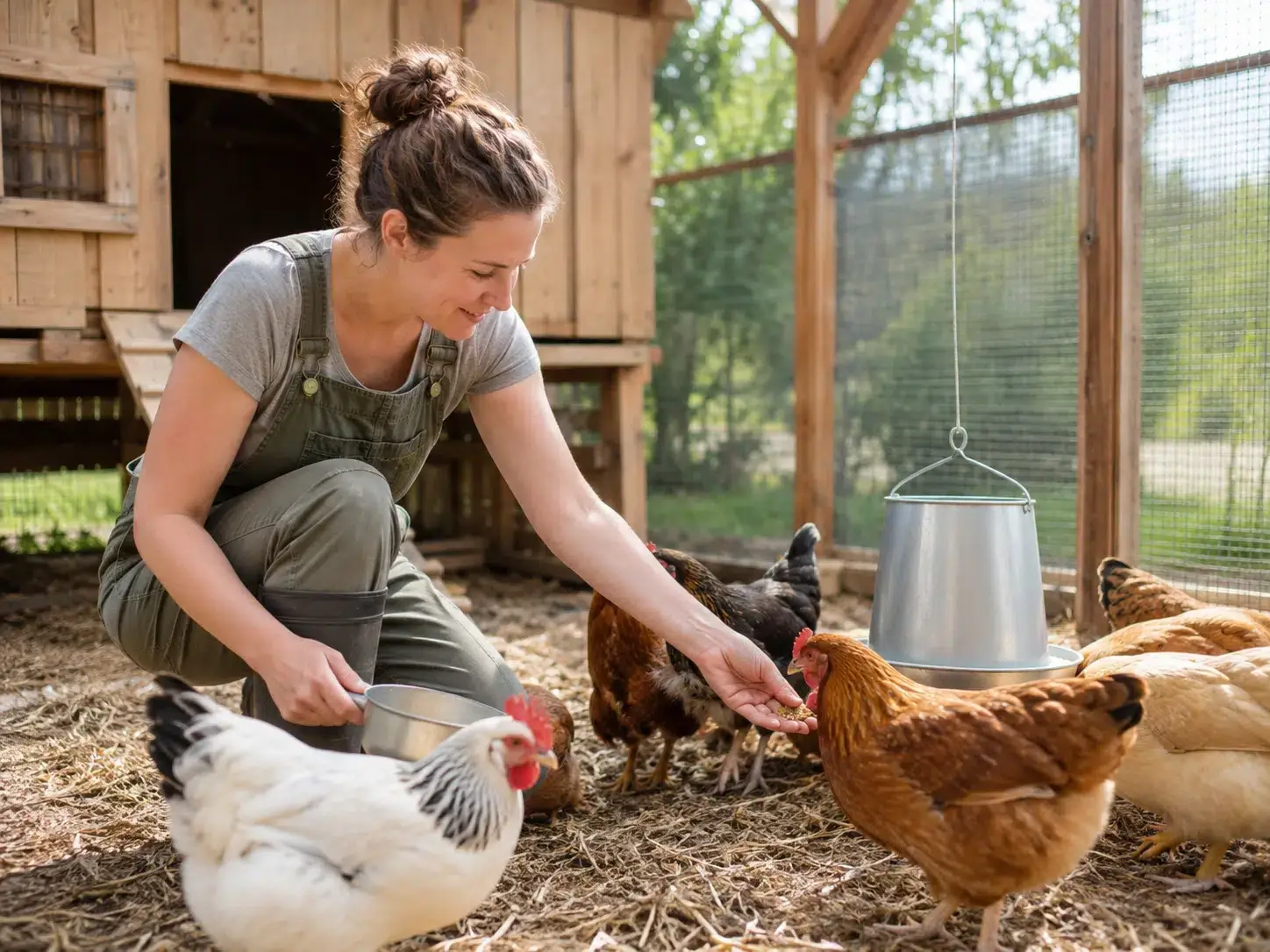
If chickens sound like the right entry point, a little preparation sets you up for success. Three things are worth doing before you bring any birds home:
- Check whether you can keep chickens where you live. Local ordinances often limit flock size or restrict roosters. Our guide to finding out if you can have chickens where you live walks through how to check.
- Get your setup ready before the birds arrive. Our guide to purchasing chicks covers the full checklist, from brooder to coop.
- Know what to expect on delivery day. If you order by mail, our guide to getting chicks in the mail explains how it works.
As for timing, late summer and fall are a great time to start a flock, so if you’re feeling the pull toward farm life, there’s no need to wait for spring. You can browse available birds among the chicks at Hoover’s Hatchery to see what’s ready now.
Frequently Asked Questions
What is the best livestock for beginners?
Chickens are widely considered the best starter livestock. They need smaller and simpler housing than large animals, cost much less to buy and feed, are easy and safe to handle, and rarely require veterinary care. They let a new farmer learn the daily rhythm of animal care at low cost and low risk before committing to larger livestock.
Are chickens easy to take care of?
Yes, especially once they mature. Chicks need the most attention early on, but adult hens generally thrive on being fed and watered once a day with a clean coop. Unlike large livestock that often need frequent care, chickens actually get easier to manage as they grow, making them very beginner-friendly.
How much does it cost to start raising chickens?
Starting with chickens costs far less than large livestock. The birds themselves are inexpensive, they eat much less feed, and their housing is small and simple compared to barns and pastures. This low initial investment lets you test whether livestock keeping suits you before spending a lot of money.
Do chickens need a lot of veterinary care?
No, chickens are hardy as a whole and rarely become sick when they are fed and cared for properly. This is a major advantage over large livestock, which need regular veterinary attention that can get expensive quickly. Good daily management prevents most common health problems in a flock.
When is the best time to start raising chickens?
While spring is the traditional season, late summer and fall are also an excellent time to start a flock. Chicks are often available outside the spring rush, and starting in the cooler months means your birds are established before the following spring. The best time is really whenever you are prepared and set up for them.
Living the farm life doesn’t have to begin with a barn full of large animals and a steep learning curve. Start small, start smart, and start with chickens. They’ll teach you the fundamentals of livestock care at a fraction of the cost and risk, and you may well find that a happy backyard flock is all the farm you ever wanted. Whenever you’re ready, your feathered introduction to farm life is waiting.
Ready to start your farm journey?
Hoover’s Hatchery ships healthy, vaccinated chicks straight to your door, with over 100 breeds and all the guidance a first-time keeper needs.