Spring can be slow to arrive, especially across the Midwest, where late snowstorms and cold snaps stretch well into April. But once that first stretch of warm weather finally settles in, it’s the perfect time to tackle your coop spring cleaning. The job is messy, no question about it, but a thorough clean turns the coop into a comfortable home for your flock and a pleasant place for you to visit. So pull on your old clothes, lace up your work shoes, slip on a pair of gloves, and let’s get that coop spruced up for the season ahead.
New to backyard chickens?
FlockJourney is your go-to resource for flock care, breed guides, and poultry tips straight from the experts at Hoover’s Hatchery.
Start With the Litter
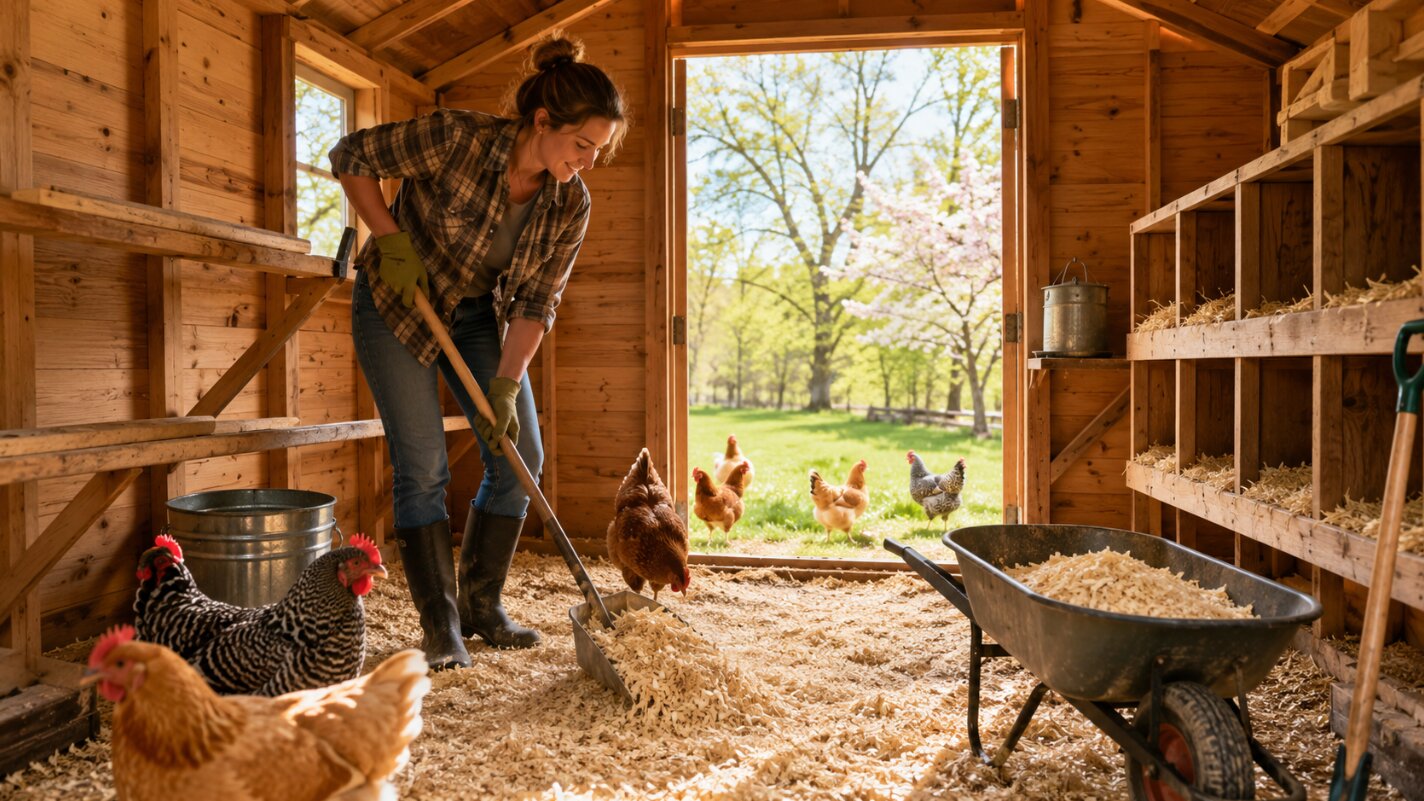
Grab a snow shovel or a grain scoop and dig out several inches of litter from the coop floor. Most of what you’ll find is dried chicken manure mixed with wood chips, and it turns out hens give their keepers far more than just fresh eggs. Their manure is a genuine garden gift. Fresh coop litter can be spread thinly over vegetable or flower garden soil and lightly worked into the earth, where it does real good. Chicken manure has a high nitrogen content, which makes it potent, so only a thin layer is needed to boost soil nutrition. Too much can actually cause problems, so a little restraint goes a long way.
Even a small amount of litter worked into the ground energizes a garden. Squash, tomatoes, beans, chard, and lettuce all benefit from having chickens nearby, and so do the fortunate folks who get to enjoy garden-fresh food all summer. Once the coop floor is cleared, replace the scooped-out litter with a fresh coating of pine chips. Keep the coop dry, and that fresh layer will hold up nicely until your annual fall cleanout rolls around.
Wash the Windows and Open Them Up
Chickens are not fans of January’s frigid drafts, so closed windows keep them content through the cold months. That changes the moment the weather warms. On balmy spring nights, hens appreciate a cool breeze moving through the coop, so this is the time to wash the windows, let in as much light as possible, and open them for the season. Just be sure any open window is covered on two fronts. Use mosquito netting to keep biting bugs out, and back it up with heavy-duty wire mesh to discourage raccoons and other predators with nocturnal cravings for a chicken dinner. If predator pressure is a concern around your property, our guide to keeping a hardy, well-suited flock can help you plan for the season.
Blow Out the Dust
Chickens and dust simply seem to belong together. Left unchecked, a thick layer settles on every horizontal surface and cakes onto netting and mesh. An easy way to clear it is to open the windows and doors on a breezy day, then use a cordless battery-powered vacuum with the hose set to “blower” mode. The chicken-created dust lifts and blows away almost instantly in the rush of air, and the natural breeze carries it right out of the building. Always wear ear protection during this step to neutralize the harmful effects of the noisy machine on your hearing.
Not sure which breed is right for you?
Browse our complete breed guides to find the perfect match for your flock goals, climate, and lifestyle.
Refresh the Waterers
Spring is the best time to remove and clean any plug-in waterers that kept water ice-free through the frigid months. Once they’re scrubbed, cover them so you don’t have to clean them all over again come fall, then store them away until autumn. Replace them with clean warm-weather waterers, and here’s a tip worth following: chickens drink often when it’s hot, so it pays to have redundant waterers rather than relying on a single source. Don’t keep just one waterer in the coop. Put out a couple, and consider setting a bucket of cool water in the run for thirsty birds during the hottest stretches. Keeping multiple clean water sources available is one of the simplest ways to support healthy, productive egg-laying hens through the warm season.
Clean Out the Nest Boxes
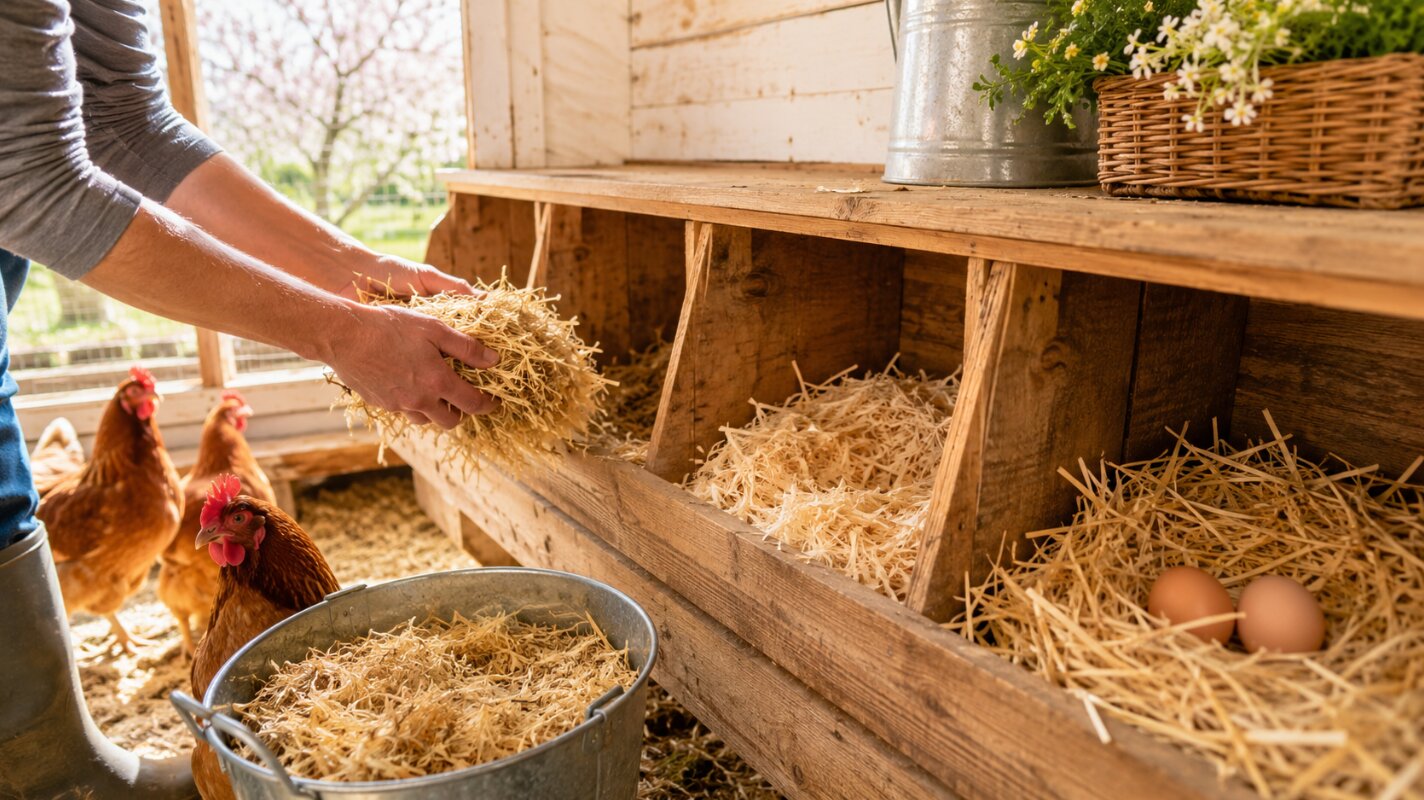
Spring is also a great time to clean out the bottoms of your nest boxes. Pull the old straw or wood chips and replace them with fresh, soft material that cushions eggs and helps keep them clean. This small task makes a noticeable difference in egg quality and in how willing your hens are to use the boxes. If you’re still setting up your space or raising young birds toward their first lay, our baby chick care resources walk through how to prepare for the months ahead.
Manage the Lights
Hens lay the most eggs when they receive 14 to 15 hours of light every day. By late spring, there’s usually enough natural daylight streaming through the windows that supplemental lighting is no longer necessary. Unplug your lights and timers to save electricity, give them a good cleaning, then cover them so they don’t collect summertime dust and store them until the days shorten again. For more seasonal flock-care routines like this one, our poultry care library covers what to do as the year progresses.
Gear up for the season at Hoover’s Hatchery
Upgrading your setup this spring? Explore coops and housing options built for backyard flocks, or start fresh with healthy day-old chicks shipped right to your door.
Frequently Asked Questions
How often should I do a full coop cleaning?
Most backyard keepers do two thorough cleanings a year, one in spring and one in fall, with lighter spot-cleaning in between. The spring clean focuses on clearing winter litter, opening the coop up for airflow, and swapping cold-weather equipment for warm-weather setups. Regular maintenance between deep cleans keeps odor, dust, and pests under control.
Can I use chicken coop litter in my garden?
Yes, and your garden will thank you for it. Chicken manure mixed with bedding is high in nitrogen, so spread it thinly over garden soil and work it in lightly. Because it’s so potent, a little goes a long way, and too much can harm plants rather than help them.
What’s the best bedding to use after cleaning the coop?
A fresh coating of pine chips is a popular, reliable choice for refilling a cleaned coop. Pine shavings absorb moisture well, help control odor, and keep the coop comfortable. As long as you keep the coop dry, that fresh layer should last until your next major cleanout.
How do I keep predators out of open coop windows in summer?
Cover every open window with two layers of protection. Use mosquito netting to keep biting insects out, and add heavy-duty wire mesh to block raccoons and other nighttime predators. Doubling up lets you enjoy the cooling breeze without leaving your flock exposed.
Once the dusty work is done, both chickens and people tend to feel a whole lot better. A warm spring day is the perfect excuse to pull out a lawn chair, grab a cup of hot coffee or a cool drink, and just sit watching the hens patrol the run for any hapless insect that wanders in. Spring really is a delightful season for flock and keeper alike, so enjoy it.
Ready to start or grow your flock?
Hoover’s Hatchery ships healthy, vaccinated chicks straight to your door from hatcheries across the US. With over 200 breeds available, there’s a perfect match for every backyard.