Most of us started this poultry adventure with a small starter coop, a long supply list, and big plans. Then chicken math kicked in, the flock grew, and that little coop became the brooder pen for next year’s chicks. Somewhere on every one of those early lists sits one item that quietly makes or breaks your daily routine: chicken coop bedding. The right bedding keeps your birds healthy, your coop low on odor, and your cleanup quick. The wrong one can stink to high heaven, attract pests, and even put your flock at risk. Let’s walk through the most common options so you can pick what fits your birds and your budget.
New to backyard chickens?
FlockJourney is your go-to resource for flock care, breed guides, and poultry tips straight from the experts at Hoover’s Hatchery.
What to Weigh Before You Buy Any Bedding
Before you grab the first bag in the aisle at a big box store, think about three things: health, cleaning, and smell. A good bedding choice protects your birds’ lungs and organs, makes scooping out the mess easier, and keeps odor down so you are not announcing your flock’s location to every hawk and raccoon in the neighborhood. Odor control matters more than people expect, since a smelly coop is both unpleasant for you and a beacon for predators. If pest pressure is a concern in your area, our guide to keeping predators away from your backyard flock pairs nicely with smart bedding choices.
Pine Shavings: Easy to Clean, But Read This First
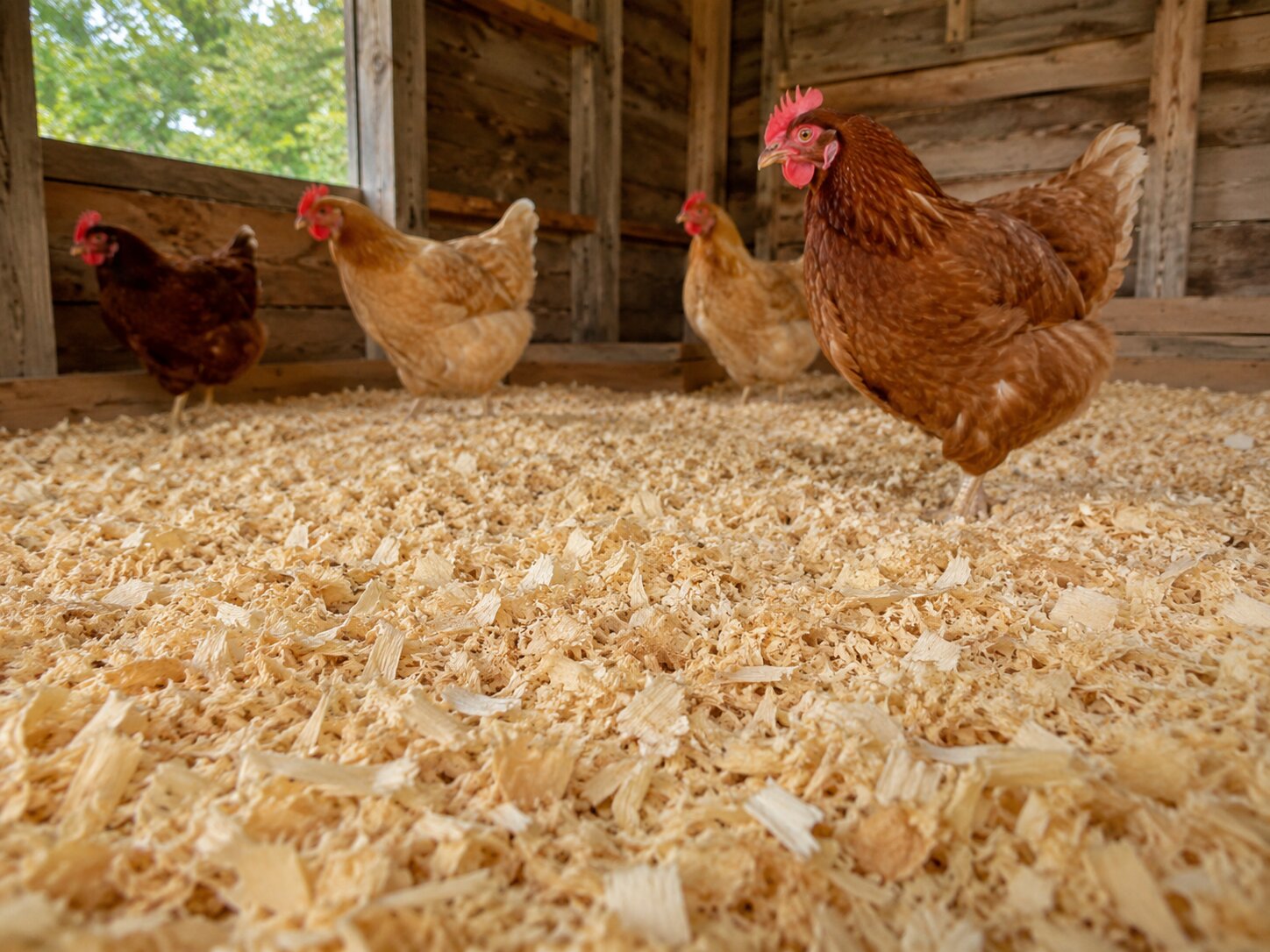
Pine shavings are the classic brooder bedding, and they are easy to roll up and toss when you keep chicks in a tote or bin. They are also where a lot of new keepers run into trouble. Shavings stored outside under a lean-to can harbor mites, which then move right into your coop, so always buy bags that have been kept indoors. Kiln-dried pine shavings can become toxic to birds and other homestead animals if ingested, and chickens, turkeys, and game fowl break the wood down fast while pecking, which is exactly why a fresh layer can turn to powder within a week in a big flock. Some longtime keepers go so far as to call pine shavings a hidden danger because of the respiratory and organ stress they can cause. Fresh, untreated tree mulch is a safer bet and can even go into the compost, but kiln-processed shavings cannot. If you want to set up a brooder the right way from the start, browse our coop and housing resources for setup tips.
Cedar Shavings: Smells Great, Skip It Anyway
Cedar smells wonderful and makes a space feel fresh and clean, but it is one to leave on the shelf. The natural oils in cedar wood have been linked to liver and respiratory damage in small animals, and poultry are no exception. The closer your birds are to the ground, the more they breathe in those oils, and pecking through the bedding exposes their livers to compounds they simply cannot process. In some cases, this can take a serious toll within weeks or months. If you love the idea of bedding that smells amazing, the next option delivers that without the danger.
Coffee Grounds: The Surprising Sweet-Smelling Option
Yes, coffee grounds. A few companies now sell decaffeinated, recycled coffee grounds made specifically for coop bedding, and the appeal is real. Coffee ground bedding helps repel flies and leaves the coop smelling fabulous, and it is easy to clean with a shovel or litter scoop in the spots where droppings concentrate. The one rule you cannot skip: the grounds must be caffeine-free. Caffeine is a methylxanthine, and at the levels found in regular coffee, it is toxic to chickens, dogs, cats, and livestock. Reputable bedding brands use 100 percent recycled, caffeine-free grounds so your birds stay safe even if they nibble. The only real downside is moisture. In a damp coop or one with leaks, coffee grounds can mold, so keep them in dry, well-ventilated spaces only.
Not sure which breed is right for you?
Browse our complete breed guides to find the perfect match for your flock goals, climate, and lifestyle.
Straw: Cheap, Common, and a Gift to Your Garden
Straw is the most widely used coop bedding, and for good reason. A bale runs about four dollars and covers a decent area, which is hard to beat on a tight budget. If you keep ducks, just know they produce a lot of mess, so plan to rotate straw every other day and use a natural spray to keep flies and odor in check. The best part of straw is what happens after it leaves the coop. Chicken and duck droppings actually outperform livestock manure in compost, carrying higher levels of nitrogen, potassium, and phosphorus, so soiled straw becomes garden gold instead of trash. The catch is that field-grown straw can carry pesticide residue from spraying or cross-wind drift, so choose organic straw when you can find it, or grow your own if you have a greenhouse. For more on turning coop waste into rich soil, our gardening and composting articles are worth a read.
Sand: Low-Maintenance and Great in the Heat
Sand is a favorite for keepers who would rather sift than fully strip the coop. A litter scoop on the end of a broom handle makes daily cleaning quick, and sand drains the wet spots in your coop while doubling as a built-in dust bath. The trade-off is that sand can create a welcoming home for mites and fleas, so add a coop-safe lime product regularly to keep pests and odor down. Do this, and you will thank yourself on a 90-degree afternoon when you can sit on the patio without a whiff of chicken or duck droppings drifting your way.
Grass Clippings and Leaves: Nature’s Free Bedding
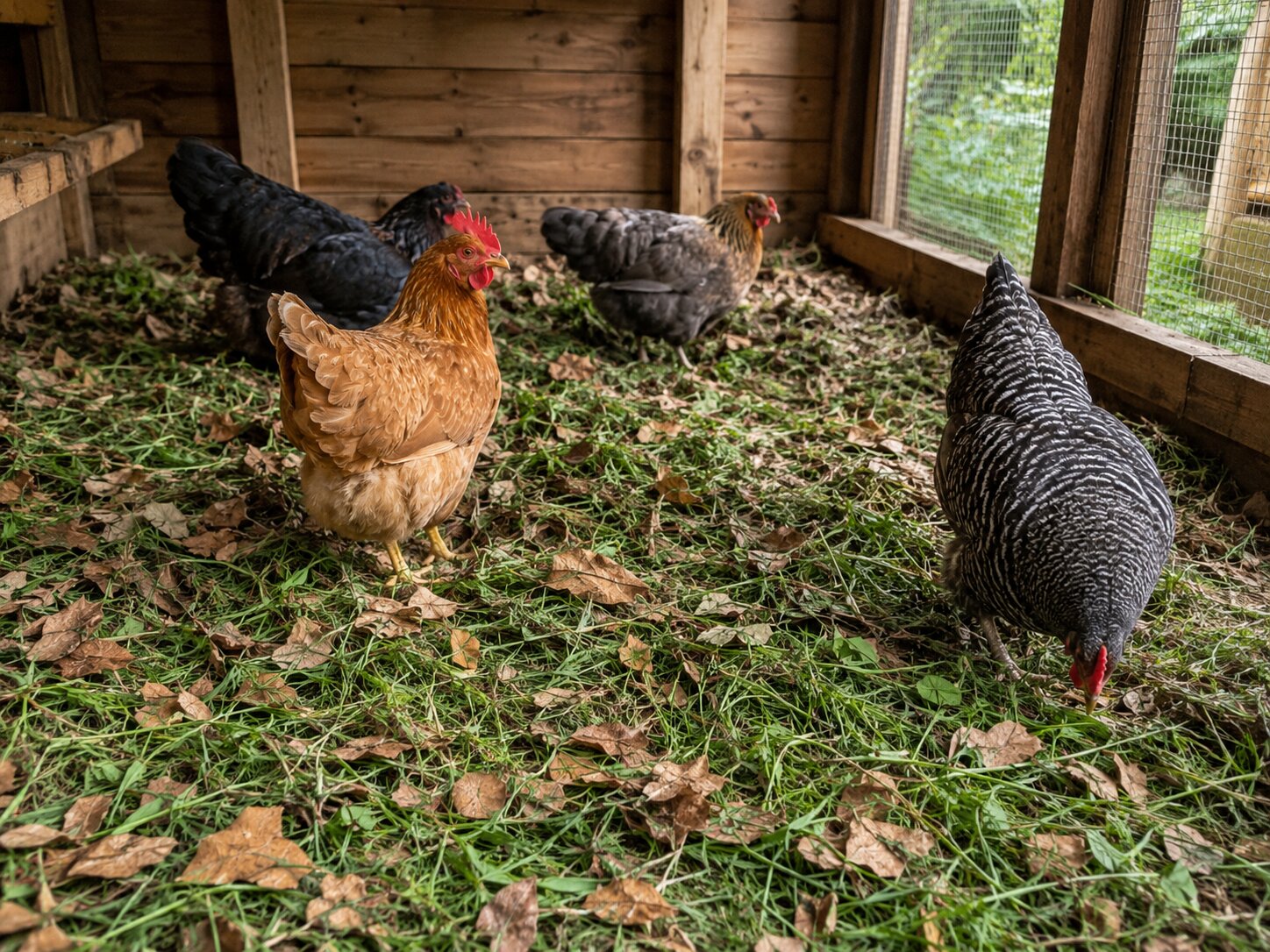
Good old grass clippings and fallen leaves round out the list, and they are essentially free. The main rule is to spread them thin and flip them every other day so they dry out instead of molding in clumps. Lay down a little lime first, since natural bedding can attract bugs. The upside is nutrition: grass and leaves are rich in probiotics and digestive enzymes, which are wonderful for your birds’ digestive tracts and can even enrich your eggs. This option is especially handy if your flock cannot free range. Chickens can eat all the fresh grass and leaves they want without harm, and once the bedding breaks down into dirt, you can simply move it to the compost pile.
Frequently Asked Questions
What is the best bedding for a chicken coop?
There is no single best chicken coop bedding for everyone, because the right choice depends on your flock size, climate, and cleaning style. Straw is the most popular for its low cost and compost value, sand shines in hot weather and for low-maintenance cleaning, and caffeine-free coffee grounds offer excellent odor control. Many keepers mix two types, such as sand with coffee grounds, to balance cleaning ease and smell.
Are pine shavings safe for chickens?
Pine shavings can be used, but with caution. Kiln-dried shavings may be toxic if ingested, and birds break them down quickly while pecking, which can cause respiratory irritation in poorly ventilated coops. If you use pine, keep the coop well ventilated, buy bags stored indoors to avoid mites, and watch your flock closely.
Why should I never use cedar shavings in a coop?
Cedar contains natural aromatic oils that have been linked to liver and respiratory damage in poultry and other small animals. Because chickens spend their time low to the ground and peck through bedding, they are exposed to these oils constantly. The safer move is to avoid cedar entirely and choose a non-toxic alternative.
Can I put used chicken coop bedding in my garden?
Yes, and it is one of the biggest perks of raising poultry. Soiled straw, grass, and leaves composted with chicken and duck droppings deliver more nitrogen, potassium, and phosphorus than typical livestock manure. Just avoid composting kiln-processed pine shavings, and let everything break down fully before adding it to garden beds.
So, which bedding will you try next? Every flock and every coop is a little different, so the smartest approach is to test a couple of options and see what keeps your birds healthiest and your nose happiest. Whatever you choose, the goal is the same: a clean, comfortable, low-odor home that sets your flock up to thrive.
Building or upgrading your coop?
Start with a solid, well-ventilated home for your birds. Hoover’s Hatchery carries durable chicken coops built to keep your flock safe and dry, the perfect foundation for whatever bedding you choose. Just starting out? Order healthy baby chicks or add a few ducks to the family.