If you have ever watched a fuzzy duckling waddle across the yard, you already understand why so many backyard families fall for them. Learning how to raise baby ducks is easier than most beginners expect, and the good news is that ducklings need many of the same things baby chicks do. That means if you have raised chicks before, you may already have most of the gear sitting in your garage. Ducklings are also a little hardier than chicks, which makes them a forgiving first project for new poultry keepers.
Before you bring any feathered friends home, take time to understand what they need to stay healthy and safe. A duckling that gets the right warmth, feed, and water in its first weeks grows into a strong, productive adult bird. Below is everything you need to get your flock off to a great start.
New to backyard ducks?
FlockJourney is your go-to resource for flock care, breed guides, and poultry tips straight from the experts at Hoover’s Hatchery.
Are Baby Ducks Hard to Raise?

Ducklings have a reputation for being messy, and honestly, that reputation is earned. They adore water and will splash it everywhere, which means wet bedding is part of the deal. The upside is that ducklings tend to be more robust than baby chicks and handle minor temperature swings better. The biggest adjustment for chicken keepers is managing all that moisture. If you plan to raise ducks and chickens at the same time, give them separate spaces. Baby chicks cannot stay wet the way ducklings can, and constant dampness can quickly turn dangerous for them.
For a deeper look at keeping your ducks happy as they grow, our duck care guides walk through feeding, housing, and seasonal needs at every stage.
3 Things You Need to Raise Baby Ducks
You only need three essentials to get started, and they line up closely with chick supplies. Get these right and your ducklings will thrive.
1. A Brooder
Just like chicks, ducklings need a warm, safe, draft-free space called a brooder. Keep the brooder temperature at 90 degrees Fahrenheit during the first week, then lower it by about 5 degrees each week as the birds feather out. Because ducklings splash so much, their bedding will get wet faster than a chick’s, so plan to change it often to keep odors and bacteria in check. If you are new to the process, our overview of brooding basics covers setup, heat sources, and common mistakes to avoid.
2. Feed
Whenever possible, choose a feed formulated for ducklings. If you cannot find duckling crumble locally, a non-medicated chick starter crumble works just fine in a pinch. One thing worth watching: ducklings need more niacin than chicks, so growers sometimes add brewer’s yeast to their feed to support healthy leg and bone development. Fresh, clean feed available at all times keeps your ducklings growing steadily.
3. Water
It is in the name, after all. Ducks need constant access to fresh water, and not just for drinking. Ducklings must be able to dip their entire bill into the water to keep the nostrils on their upper beak clear. Use a waterer deep enough for dunking but shallow enough that a tiny duckling cannot climb in and chill itself. Refresh the water frequently, since ducklings will happily turn it murky within hours.
Not sure which breed is right for you?
Browse our complete breed guides to find the perfect match for your flock goals, climate, and lifestyle.
How Long Do Baby Ducks Stay in a Brooder?
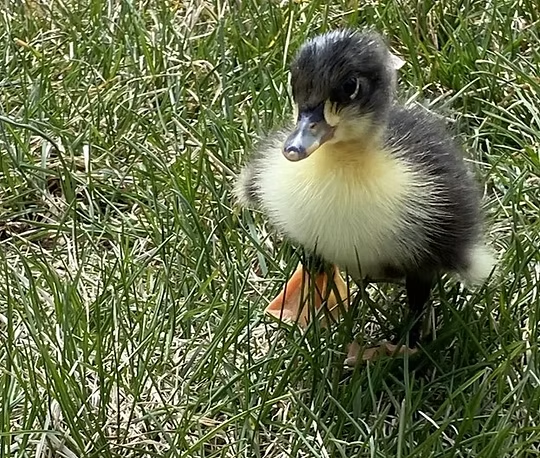
Expect to keep your ducklings in the brooder a little longer than chicks, mostly because they make a wetter mess that needs more frequent cleaning. Around 7 to 9 weeks of age, ducks are usually fully feathered and able to regulate their own body temperature. At that point, weather permitting, they can move into their outdoor duck house. Make sure their permanent home is predator-proof and dry, with plenty of ventilation. If you still need housing, a well-built setup like one of the poultry coops from Hoover’s Hatchery gives your growing flock a secure place to settle in.
When Do Baby Ducks Start Laying Eggs?
Patience pays off here. Most ducks begin laying eggs at about 6 to 7 months old. Once they start, many breeds become impressively consistent layers, often reaching a laying rate near 90 percent, which means roughly 90 eggs a day from a flock of 100 ducks. Some duck breeds even out-lay chickens over the course of a year, so do not underestimate these waddling egg machines.
If steady egg production is your goal, popular dual-purpose options like Pekin ducklings are a favorite among backyard keepers for their friendly temperament and reliable output.
Why Duck Eggs Are Worth the Wait
Duck eggs are a quiet superstar in the kitchen. They run larger than chicken eggs, with roughly one duck egg equaling about two chicken eggs in volume. They are prized by bakers for their rich flavor and the lift they give to cakes and pastries. Nutritionally, duck eggs deliver antioxidants, Omega-3 fatty acids, and vitamins B-12, A, and D, along with minerals like magnesium, zinc, and selenium. Their thicker shells even help them stay fresh longer than chicken eggs. If you have only ever cooked with chicken eggs, a duck egg is a genuinely delicious upgrade.
Raising Ducks Alongside Chickens
Plenty of homesteaders keep ducks and chickens together, and it can absolutely work. The main thing to remember is the moisture difference. Ducks will soak a shared coop quickly, and damp bedding is rough on chickens. If you raise both, give your ducks their own splash-friendly zone where they can be as messy as they like without affecting the rest of the flock. There is also a gentle reminder worth repeating in the homesteading world: you do not have to raise every kind of bird at once. Start with what fits your family and your space, then grow from there.
Frequently Asked Questions
What temperature do baby ducks need?
Baby ducks need a brooder kept at about 90 degrees Fahrenheit during their first week. Lower the temperature by roughly 5 degrees each week as they feather out, until they are acclimated to outdoor conditions at around 7 to 9 weeks old.
Can baby ducks eat chick feed?
Yes, ducklings can eat non-medicated chick starter crumble if duckling feed is not available. Avoid medicated chick feed, and because ducklings need extra niacin, many keepers add a little brewer’s yeast to support healthy leg and bone growth.
How long until baby ducks can go outside?
Most ducklings are fully feathered and able to regulate their body temperature by 7 to 9 weeks of age. As long as the weather is mild and their outdoor house is dry and predator-proof, that is generally when they can move outside permanently.
Do baby ducks need water to swim in?
Young ducklings do not need swimming water and can actually become chilled if they get too wet too soon. They do need drinking water deep enough to fully submerge their bills so they can keep their nostrils clear. Supervised swimming can wait until they are older and better feathered.
How many eggs do ducks lay?
Once mature at around 6 to 7 months, productive duck breeds can lay at close to a 90 percent rate, meaning roughly 90 eggs a day from 100 ducks. Many duck breeds lay as well as or better than chickens across a full year.
Raising ducklings is a rewarding, slightly messy adventure that rewards you with personality, productivity, and some of the best eggs you will ever crack. Get the brooder, feed, and water right in those first weeks, and the rest tends to fall into place. Whether you stick with ducks or eventually add chickens, geese, or guineas to the mix, the best flock is always the one that fits your family.
Ready to start your duck flock?
Hoover’s Hatchery ships healthy, vaccinated ducklings straight to your door from hatcheries across the US, with a wide range of breeds to choose from.