Watching your chickens go through their first fall molt is genuinely alarming if you don’t know what’s happening. Feathers everywhere, birds looking like they’ve survived a major brawl, and a sinking feeling that something is badly wrong. Here’s the reassuring truth: molting is a completely normal, healthy part of raising chickens. As the leaves fall off the trees, so will the feathers fall off your birds. This guide breaks down why chickens molt, how long it lasts, how to tell a molt from a real problem, and four simple things you can do to help your flock through it.
New to backyard chickens?
FlockJourney is your go-to resource for flock care, breed guides, and poultry tips straight from the experts at Hoover’s Hatchery.
Why Do Chickens Molt?
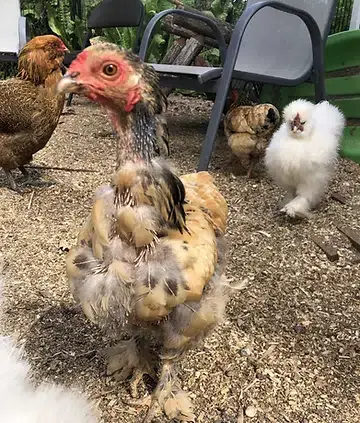
Over time, chicken feathers get worn out, broken, and dull. They gradually lose their effectiveness at protecting a bird from wind, snow, and rain, which matters enormously heading into winter. When the days get shorter and temperatures cool, that triggers a response in your chickens to ditch their old feathers and grow a fresh set. It’s essentially a seasonal wardrobe replacement, timed so birds head into the cold with good insulation.
Worth knowing: hens and roosters both molt. This isn’t a laying-related process, it’s a feather-maintenance one.
When Do Chickens Molt, and For How Long?
Chickens actually go through two smaller molts while they’re growing as chicks. The first hard molt typically arrives around 12 to 18 months of age, and after that it becomes an annual event, generally in fall as daylight shortens.
Duration varies a lot from bird to bird. A full molt can take anywhere from 3 weeks to 6 months, depending on the individual chicken. Each bird also molts differently, with some losing far more feathers than others, but most start around the head and neck and work their way down the body.
One consequence you’ll notice in the egg basket: chickens slow down or completely stop laying during a molt. That’s expected. Growing a whole new set of feathers is metabolically expensive, and a hen’s body prioritizes it over egg production. If you’d like more consistent year-round laying across your flock, it’s worth looking at dependable brown egg layers with staggered ages so not everyone molts at once.
Is It Molting, or Something Else?
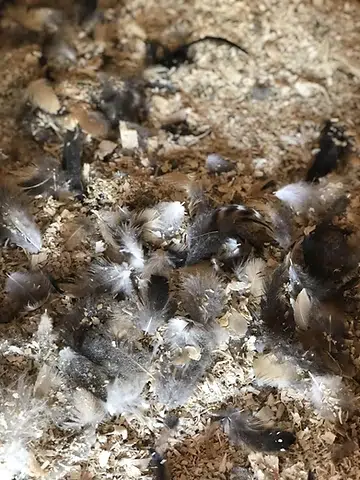
This is the most useful thing to understand, because feather loss isn’t always a molt. Because molting is a normal process, your chickens should continue to act normal throughout it. They may be a bit standoffish, but they should still be eating, drinking, moving around, and behaving like themselves.
If a bird is lethargic or otherwise acting abnormally, it is probably not molting. That’s your signal to look for another explanation. Other common causes of feather loss include:
- Stress of any kind
- Excessive heat
- Poor diet
- Overcrowding
If any of these are behind the feather loss, address the underlying problem rather than waiting it out. Heat in particular is worth ruling out in late summer, and our guide to keeping chickens cool in the heat covers how to reduce that stress. If a bird seems genuinely unwell rather than simply scruffy, consult a veterinarian.
Not sure which breed is right for you?
Browse our complete breed guides to find the perfect match for your flock goals, climate, and lifestyle.
Four Ways to Help Your Flock Through a Molt
1. Eliminate Stress
Molting is already taxing, so avoid piling anything else on top of it. This is not the time to add new birds to your flock, move the coop, or do a major deep clean. Save those projects for after the molt. If some birds are picking on the ones that are molting, separate them for the time being so the molting birds can recover in peace.
Since introducing newcomers is one of the bigger stressors, it’s worth timing that carefully. Our guide to integrating your chicken flocks covers how to do it gradually when the time is right.
2. Increase Their Protein Intake
Those new pin feathers coming in are made up largely of protein, which means a molting bird’s protein requirement genuinely rises. You can find a higher-protein chicken feed at most farm supply stores, and it’s worth switching for the duration.
You can also supplement with high-protein foods such as:
- Scrambled eggs
- Mealworms
- Sunflower seeds
One important caveat that’s easy to miss: limit the number of ordinary treats during this time, because it’s especially important that molting birds get proper, balanced nutrition rather than filling up on snacks. Protein-rich supplements are the goal, not treats generally. Our guide to feeding your flock mealworms covers why they’re such an efficient molting-season protein source and how much to give.
3. Limit or Avoid Handling
This one is hard on anyone who enjoys holding their birds, but it matters. Hens that normally come running to be picked up will often keep their distance during a molt, and there’s a good reason for that.
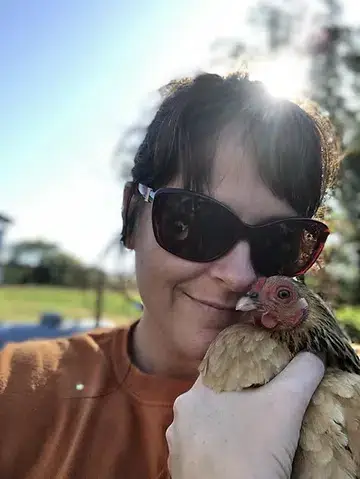
Molting is genuinely painful and uncomfortable. Pin feathers are hard and full of blood, and if one breaks or is injured it can lead to pecking from other chickens or infection. So as tough as it is to skip the snuggle sessions, do your flock a favor and simply hang out near them and tell them how wonderful they are, without the extra handling. They’ll be back to normal soon enough.
4. Support Hydration and Nutrition
Molting is one of the recognized stress points in a flock’s year, alongside extreme weather, coop cleanouts, and flock changes. Many keepers use a daily supplement such as Chicken E-lixir for ongoing immune and digestive support, then add a times-of-challenge product like Flock Fixer to the water during the molt itself to help with hydration and nutrients. Some keepers even freeze it into treats as a fun distraction on warm days.
These are wellness supplements meant to support birds through a demanding stretch, not treatments. Good feed, low stress, and clean water still do most of the work. Our guide to natural products for maintaining chicken health covers daily wellness in more depth.
Frequently Asked Questions
Why do chickens molt?
Chicken feathers gradually become worn, broken, and dull, losing their ability to protect birds from wind, snow, and rain. Shorter days and cooler temperatures trigger the birds to shed those old feathers and grow a fresh set before winter. Both hens and roosters molt.
How long does molting last?
A molt can last anywhere from 3 weeks to 6 months depending on the individual bird. Most chickens begin losing feathers around the head and neck and progress down the body. Each bird molts differently, and some lose far more feathers than others.
At what age do chickens start molting?
Chickens go through two smaller molts as growing chicks, then experience their first hard molt at around 12 to 18 months of age. After that, molting generally becomes an annual event in the fall as daylight hours shorten.
Do chickens stop laying when they molt?
Yes, hens typically slow down or stop laying entirely during a molt. Growing a full set of new feathers requires significant protein and energy, so the body prioritizes feathers over eggs. Laying resumes once the molt is complete.
How do I know if my chicken is molting or sick?
A molting chicken should still act normal, eating, drinking, and moving around as usual, even if it looks scruffy and prefers not to be handled. If a bird is lethargic or behaving abnormally, it is probably not molting, and you should look at other causes such as stress, excessive heat, poor diet, or overcrowding. Consult a veterinarian if a bird seems genuinely unwell.
Should you handle chickens while they are molting?
It is best to limit or avoid handling during a molt. New pin feathers are hard and filled with blood, and breaking or injuring one can lead to pecking from flockmates or infection. Spend time near your birds without picking them up until their new feathers have come in.
Molting looks dramatic, but it’s simply your flock trading a worn-out coat for a brand new one right when they need it most. Keep the stress low, bump up the protein, resist the urge to cuddle, and give them clean water and good feed. Do that and your girls (and boys) will go from scraggly to gorgeous again before you know it.
Building a flock that lays year-round?
Hoover’s Hatchery ships healthy, vaccinated chicks straight to your door, with over 100 breeds including dependable layers to keep your egg basket full.