
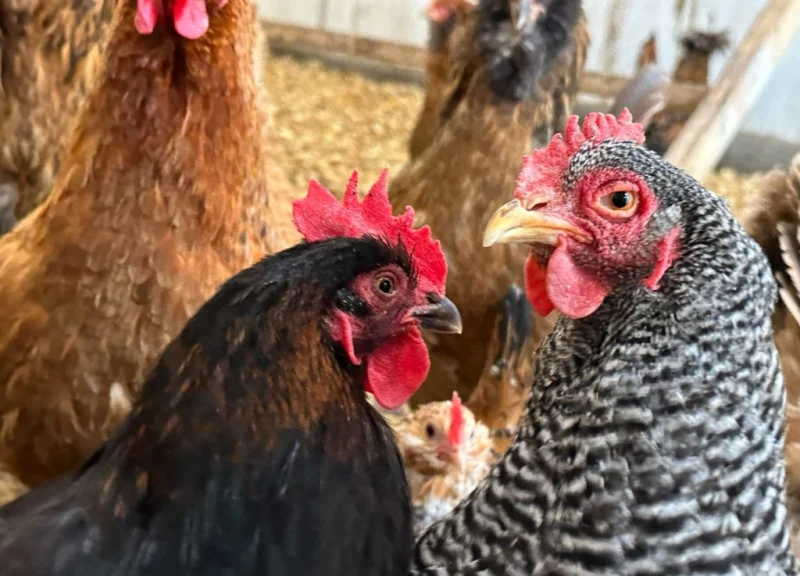
Quick answer
Yes, but far fewer than people. The average chicken has fewer than 350 taste buds, compared with about 8,000 to 10,000 in humans. They sit mostly at the back of the mouth, so chickens taste little and pick food mainly by sight, judging size, shape and color.
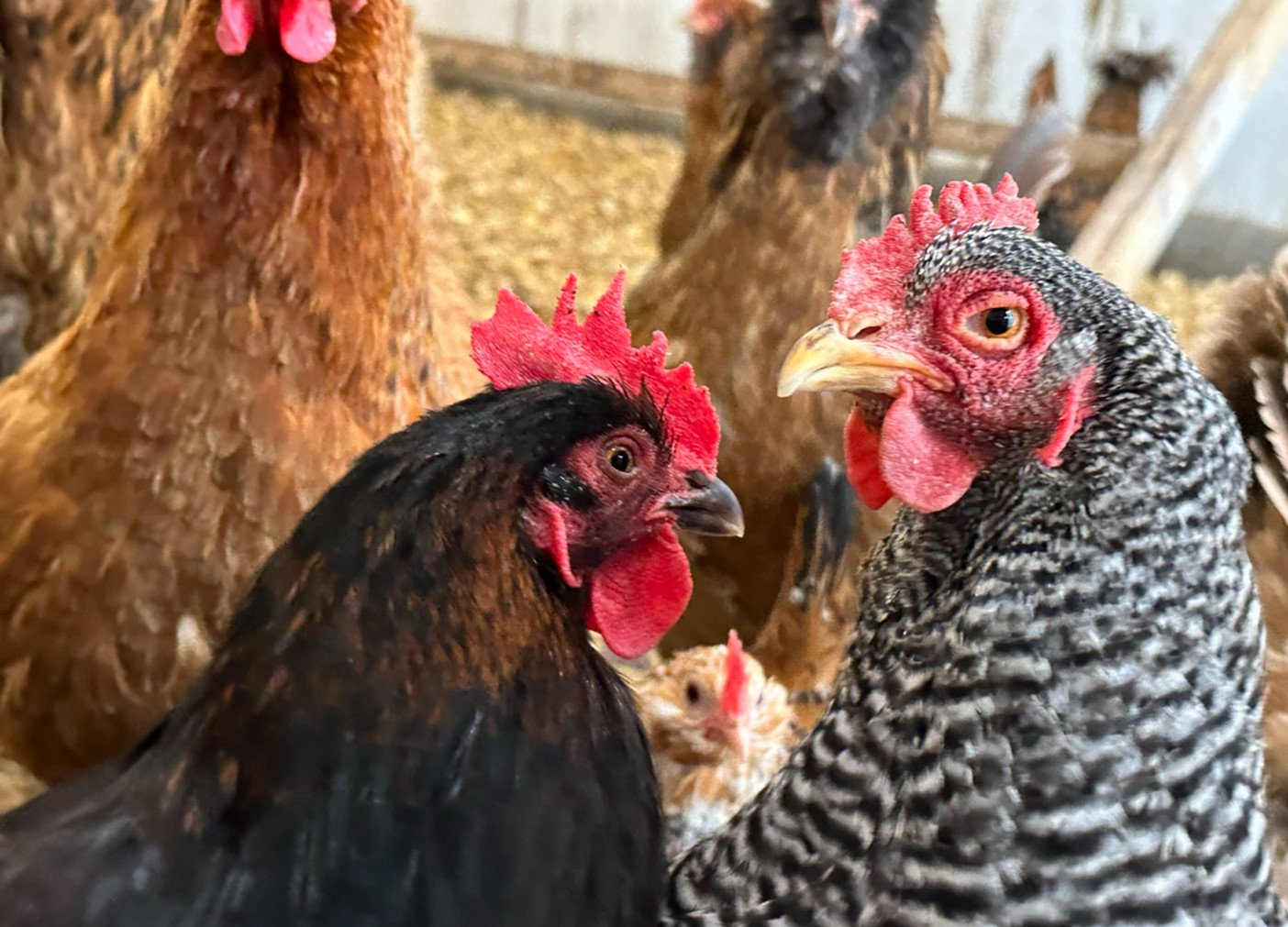
A chicken’s tongue is triangular and relatively small. Chickens don’t have teeth to chomp their food, and for the most part, unless you’re up close and personal, it’s hard to see that they have a tongue. The tongue helps chickens pick up their food and treats. Chickens’ tongues fit on the inside of their lower beak, and along with picking up food and making cute noises, their tongues help them taste, but only a tiny bit.
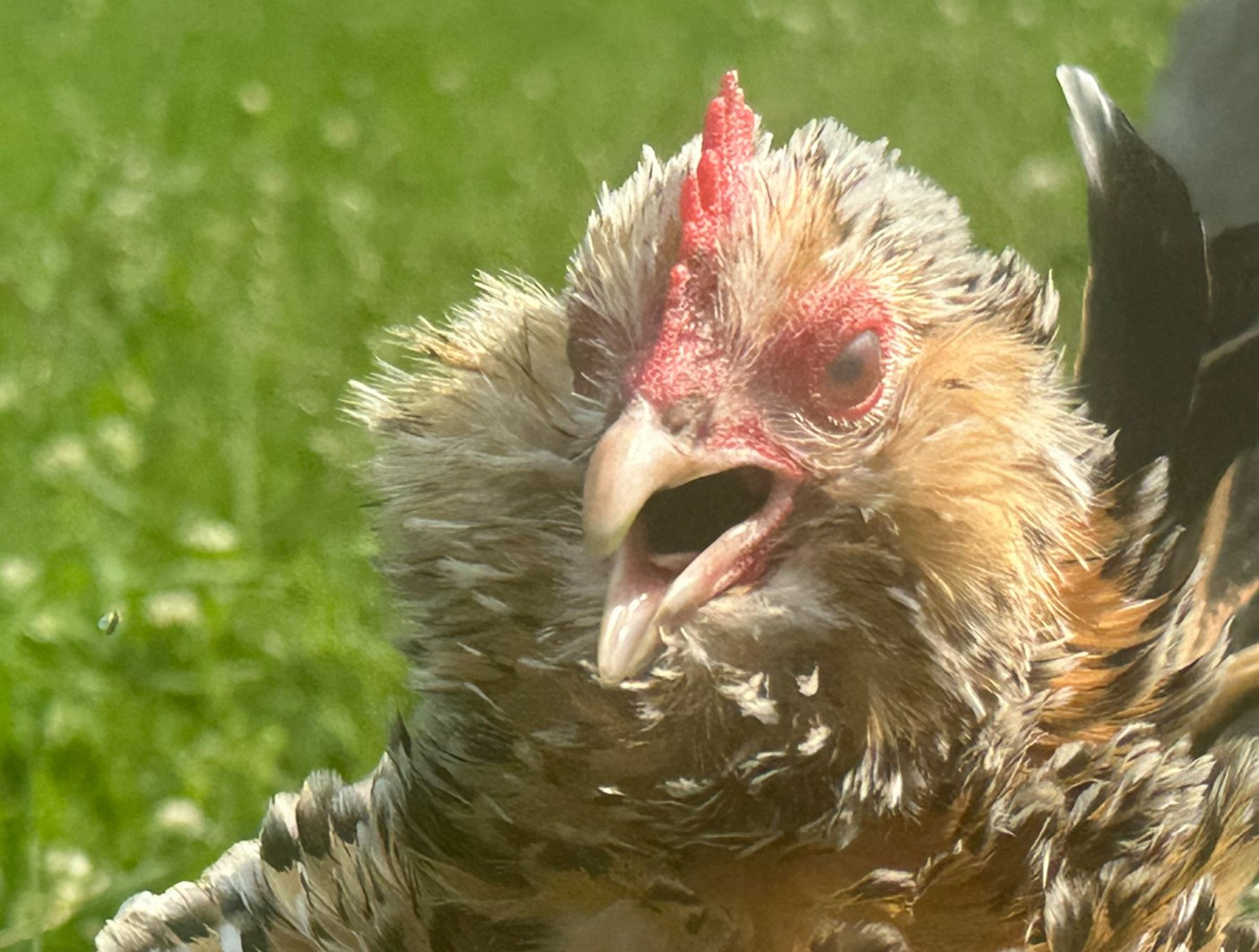
You can see Tinkerbell’s tongue sitting on the lower beak. She was telling me important things, I’m sure. 😀
How Many Taste Buds Do Chickens Have?
Humans have 8,000-10,000 taste buds while the average chicken has less than 350. That’s quite a difference! Also, the taste buds of a chicken are located in the back of their oral cavity, so they don’t really taste much until it’s already on the way down! There isn’t much savoring on their part. They see something and commit and swallow. There are a few taste buds on their tongues, but not many. Another fun fact is that the number of chicken taste buds varies by age, breed and gender.
Can Chickens Taste Sweet and Spicy Foods?
Chickens don’t have the same taste buds as humans. They have a more challenging time tasting sweet and spicy things. That’s why we can feed them cayenne or red pepper flakes and they don’t bat an eye. It’s also why they don’t get as excited about sweets as I do! Haha!
How Do Chickens Choose What to Eat?
You know how we say we eat with our eyes first? That’s exactly what chickens do! They are usually quite clever in what they can and cannot eat. This is mainly done with their eyes. They likely choose their food based on its size, shape or color.
Chickens can see incredibly well in daylight. In fact, they can see more colors than the human eye can! This makes it easier for them to pick out the “treats” in the yard while free-ranging. My flock goes wild for watermelon. I suppose the fruit’s bright red color with the rind’s contrasting green draws them in.
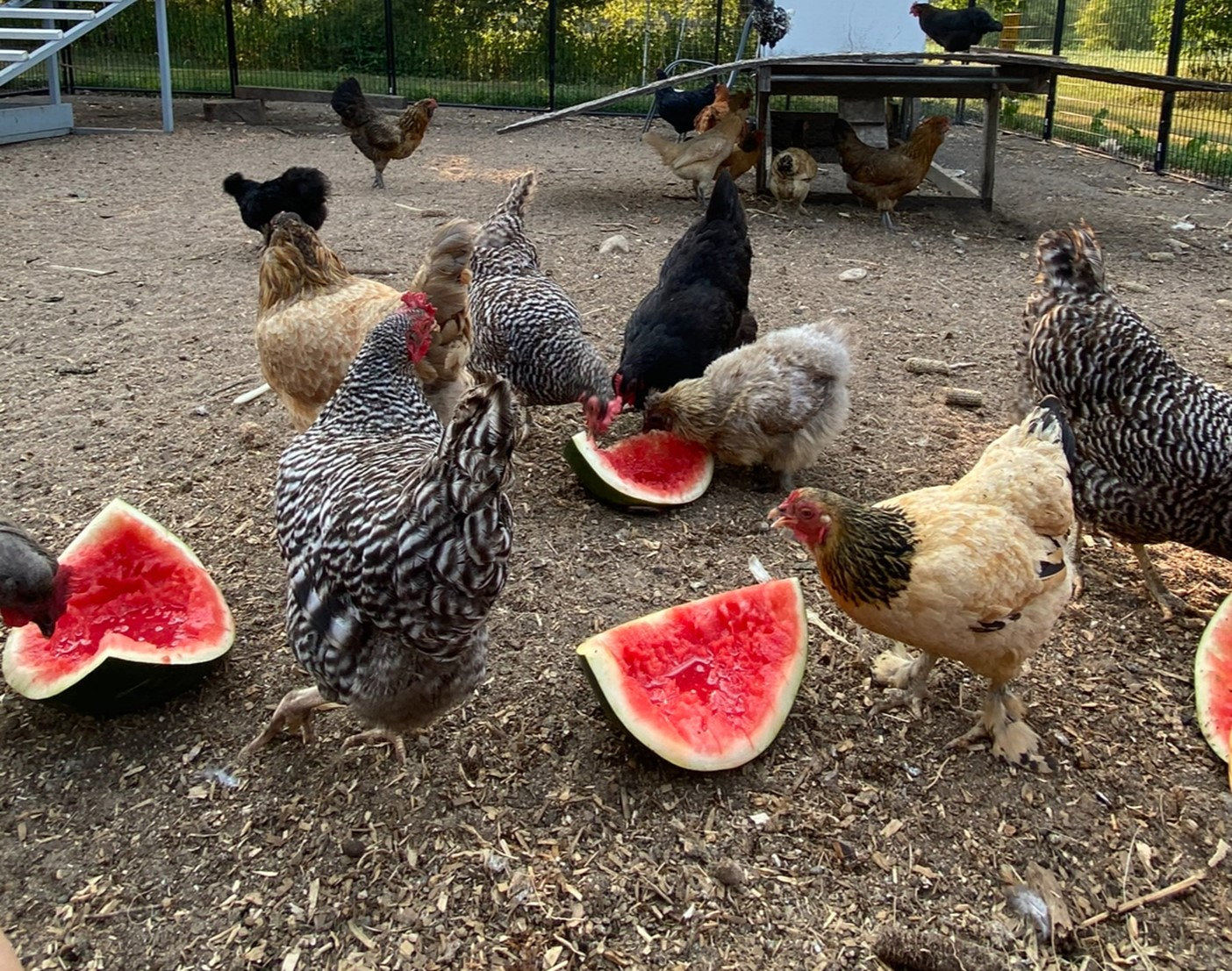
So, I hate to break it to you, but just because you think your flock may love some of the same foods as you, they definitely don’t get the same taste experience!
Chickens are so unique and fun to watch. Pay attention sometimes when you’re out in the yard with them. They will pick up the one blade of green grass in a dead spot, find a bug you never would have seen and can spot a bag of Happy Tract and Golden Graze from a mile away! They get very excited about these two treats, and I know what I’m giving them is healthy and full of good things!
What Should Keepers Feed Their Chickens?
Feeding your chickens a well-balanced diet (with a few treats) is very important for their overall health and egg-laying abilities. Chickens don’t care too much about taste as long as they get good, healthy food!
Until next time,
–The Wing Lady
Frequently Asked Questions
How many taste buds does a chicken have?
The average chicken has fewer than 350, while humans have roughly 8,000 to 10,000. The number varies with age, breed and gender. Most are in the back of the mouth, with only a few on the tongue.
Can chickens taste spicy food?
Chickens are not bothered by foods like cayenne or red pepper flakes, which suggests they do not taste heat the way people do. They also have a harder time tasting sweet things. That said, spicy foods are not a needed part of the diet.
How do chickens pick their food?
Mostly by sight. They likely judge food by size, shape and color, and they see more colors than humans do in daylight. This is how they spot treats and bugs in the yard so quickly.
Do chickens have teeth or a tongue?
Chickens have no teeth. They do have a small, triangular tongue that sits inside the lower beak and helps them pick up food. It also helps them taste a little.
Do chickens enjoy treats like watermelon?
Many flocks go for them, probably drawn in by bright colors. Treats are fine in moderation, but a balanced feed should make up most of the diet. Healthy eating matters more to egg laying and overall health than flavor.