If you are dreaming up your first backyard flock, the Barred Plymouth Rock deserves a spot near the top of your list. This classic American breed is gentle, productive, and so easygoing that it practically raises your confidence as a chicken keeper right along with the flock. With their striking black and white striped feathers and sweet, people-loving personalities, Barred Rocks have earned a loyal following among homesteaders and hobbyists alike. They are the kind of bird that turns a casual interest in chickens into a full blown love affair.
New to backyard chickens?
FlockJourney is your go-to resource for flock care, breed guides, and poultry tips straight from the experts at Hoover’s Hatchery.
What Makes the Barred Plymouth Rock So Special?

Barred Plymouth Rocks, often called Barred Rocks for short, are docile, gentle, and incredibly friendly. They are a dual-purpose heritage breed, which means they were developed to be useful both for eggs and meat, and they shine in both roles. A healthy Barred Rock hen will lay around 250 brown eggs per year, giving you a steady supply through most of the year. They are winter hardy and handle summer heat well, so they adapt nicely to a wide range of climates.
Temperament is where this breed truly wins people over. Barred Rocks are generally quiet, easy to handle, and lovely to watch as they wander the yard. They get along well with their flock mates and usually settle somewhere in the calm middle of the pecking order rather than fighting for the top spot. Because of that even keeled disposition, they make a wonderful starter bird for a backyard flock and pair beautifully with other gentle breeds like the Rhode Island Red, another dependable dual-purpose favorite.
Appearance: The Signature Barred Pattern
You will recognize a Barred Plymouth Rock the moment you see one. This breed has a single comb, clean feet with four toes, and the unmistakable black and white “barred” feathering that gives it its name. The crisp stripes run across each feather, creating a soft gray shimmer from a distance and bold contrast up close. Roosters typically show wider white bars than hens, which is one fun way to tell them apart as they grow.
These are large, sturdy birds. Hens generally weigh 7 to 8 pounds, while roosters tip the scale at 9 to 10 pounds. Their solid build is part of what makes them such a practical dual-purpose choice. They do equally well free ranging across an open yard or living comfortably inside a secure run, so they fit whatever setup your space allows.
Worth noting: the Barred Rock is sometimes confused with the similarly striped Dominique breed, which has a rose comb instead of a single comb. If you ever find yourself squinting at two black and white hens trying to tell them apart, the comb shape is your easiest clue.
Not sure which breed is right for you?
Browse our complete breed guides to find the perfect match for your flock goals, climate, and lifestyle.
A Long and Proud American History
The Plymouth Rock has deep roots in the United States. According to The Spruce, Barred Plymouth Rocks were first shown at a poultry show in Boston back in 1849, and the breed went on to become one of the most popular farm chickens in American history. It picked up affectionate nicknames along the way, including “America’s favorite breed” and “the Hereford of the poultry world,” a nod to its reliable, all purpose nature. For generations, this was the bird that fed families and dotted farmyards from coast to coast, and it remains a beloved heritage breed today.
Egg Production and Lifespan
For backyard keepers, the Barred Rock hits a sweet spot between productivity and longevity. Those roughly 250 large brown eggs a year arrive consistently, and hens tend to keep laying through their early years before gradually slowing down. If steady egg numbers matter to you, a few small habits help, like keeping clean, inviting nest boxes. Our guide on encouraging your chickens to lay in their nesting boxes is a great place to start.
The typical Barred Plymouth Rock lifespan is 6 to 8 years, though with good care and a bit of luck many live longer. A calm environment, quality feed, fresh water, and protection from predators all add up to a healthier, longer lived flock. If you are bringing home chicks to start your Barred Rock journey, our tips on adding new baby chicks into your flock will help you set them up for a long, happy life.
Why Barred Rocks Are a Great First Flock Bird
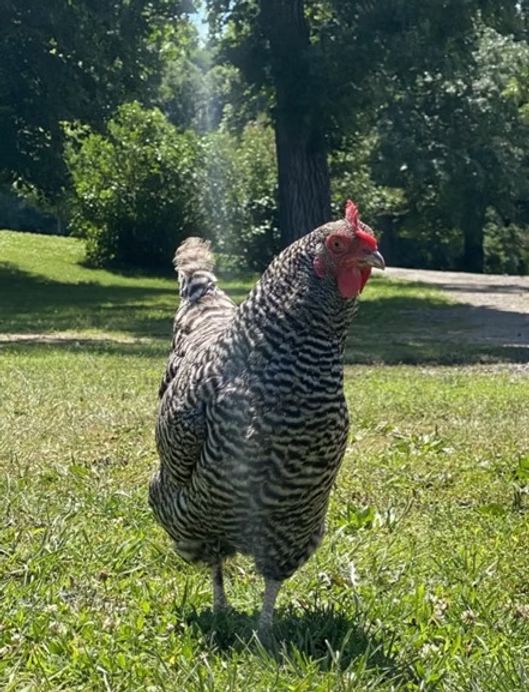
Everything about this breed points toward beginner friendly. They are forgiving of new keepers, tolerant of weather swings, gentle with children, and genuinely affectionate once they trust you. Many owners describe their Barred Rocks as the friendliest birds in the run, the ones that follow you around the yard and come running when you appear. That combination of personality, hardiness, and steady egg laying is exactly why so many flocks start with a Barred Plymouth Rock or two and never look back.
If you want to add this all American classic to your flock, you can find healthy chicks through the Barred Plymouth Rock chicks at Hoover’s Hatchery. They are also a natural fit if you are shopping for productive brown egg laying breeds or browsing other dual-purpose chicken breeds for a versatile backyard flock.
Frequently Asked Questions
How many eggs do Barred Plymouth Rocks lay?
Barred Plymouth Rock hens lay around 250 large brown eggs per year. They are reliable, year round layers, especially in their first few laying seasons. Clean nest boxes and good nutrition help keep production steady.
Are Barred Plymouth Rocks good for beginners?
Yes, Barred Rocks are one of the best breeds for beginners. They are docile, easy to handle, cold and heat hardy, and friendly toward both people and other chickens. Their calm temperament makes them forgiving for first time flock owners.
How big do Barred Plymouth Rock chickens get?
This is a large breed. Hens typically weigh 7 to 8 pounds and roosters weigh 9 to 10 pounds. Their substantial size is part of what makes them a practical dual-purpose breed for both eggs and meat.
What is the difference between a Barred Rock and a Dominique?
Both breeds have black and white barred feathers, so they are easy to mix up. The simplest difference is the comb: a Barred Plymouth Rock has a single comb, while a Dominique has a rose comb. Their feather patterns also differ slightly on close inspection.
How long do Barred Plymouth Rocks live?
The typical lifespan is 6 to 8 years, though many live longer with good care. A safe coop, quality feed, fresh water, and protection from predators all help your hens reach a healthy old age.
The Barred Plymouth Rock is one of those breeds that just makes backyard chicken keeping more joyful. Gentle, gorgeous, productive, and full of personality, they have a way of becoming the heart of a flock. Whether you are raising your very first chickens or adding to a growing crew, a Barred Rock or two is almost always a decision you will be glad you made. After all, what’s one more chicken?
Ready to start your flock?
Hoover’s Hatchery ships healthy, vaccinated Barred Plymouth Rock chicks straight to your door. Add this friendly, dual-purpose favorite to your backyard flock today.