Of all domestic food-producing animals honeybees are special. They can legally trespass!
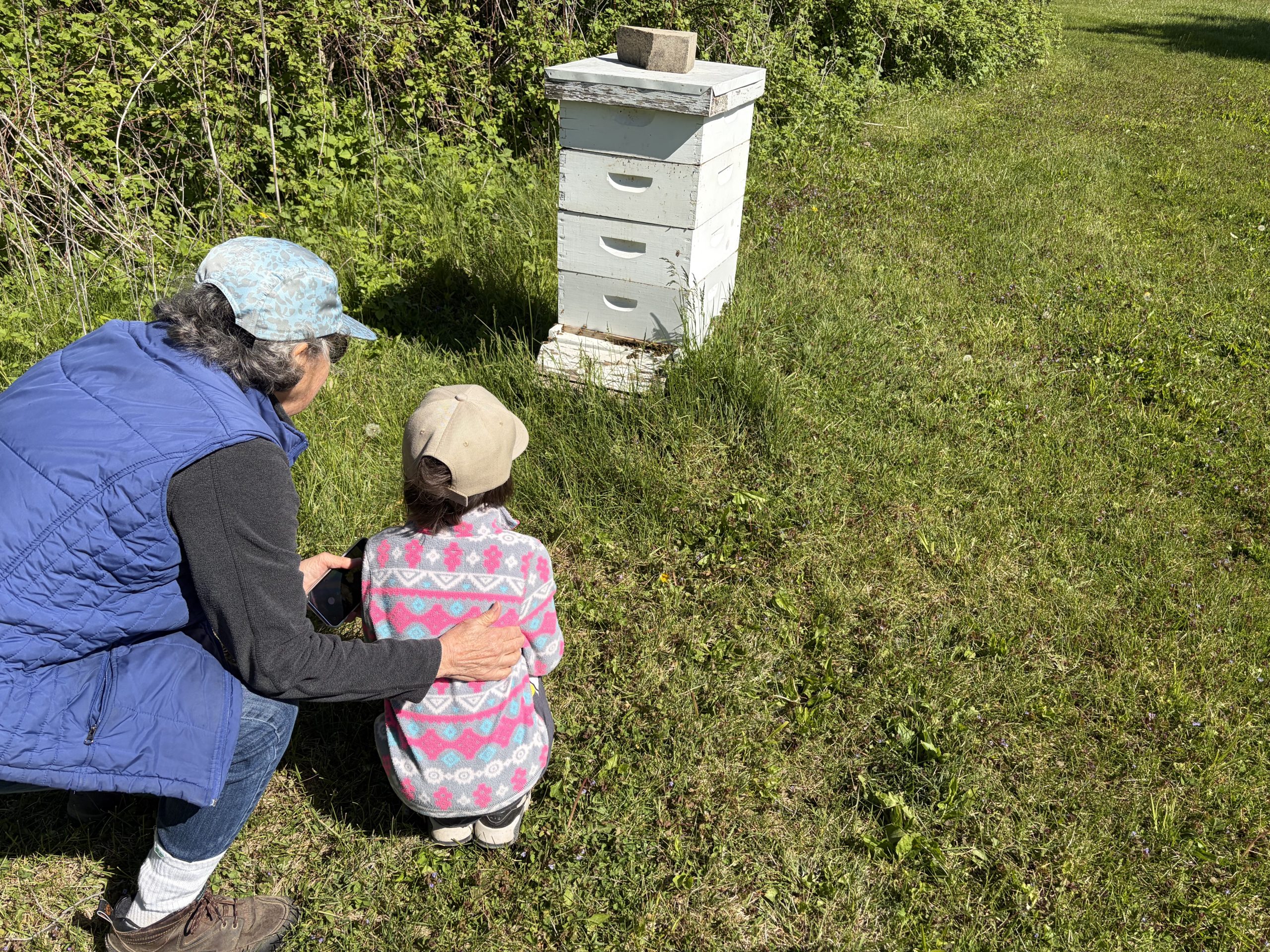
If cows, pigs, sheep or even chickens wander off a property without permission an angry neighbor might be calling up. Bees are different. They’ll zip upwards of three miles to collect nectar and pollen. They buzz over fences and property lines to gather food for their larvae and to make into honey. Honeybees even thrive in New York City. Local beekeepers tend hives on building roofs far above the street. The industrious insects forage in parks and on domestic flowers in balcony planters.
For years we tended two hives and chickens in our Iowa backyard. We follow a foraging and gardening lifestyle so the combination brought delicious honey into our kitchen along with eggs, garden vegetables, and wild food.
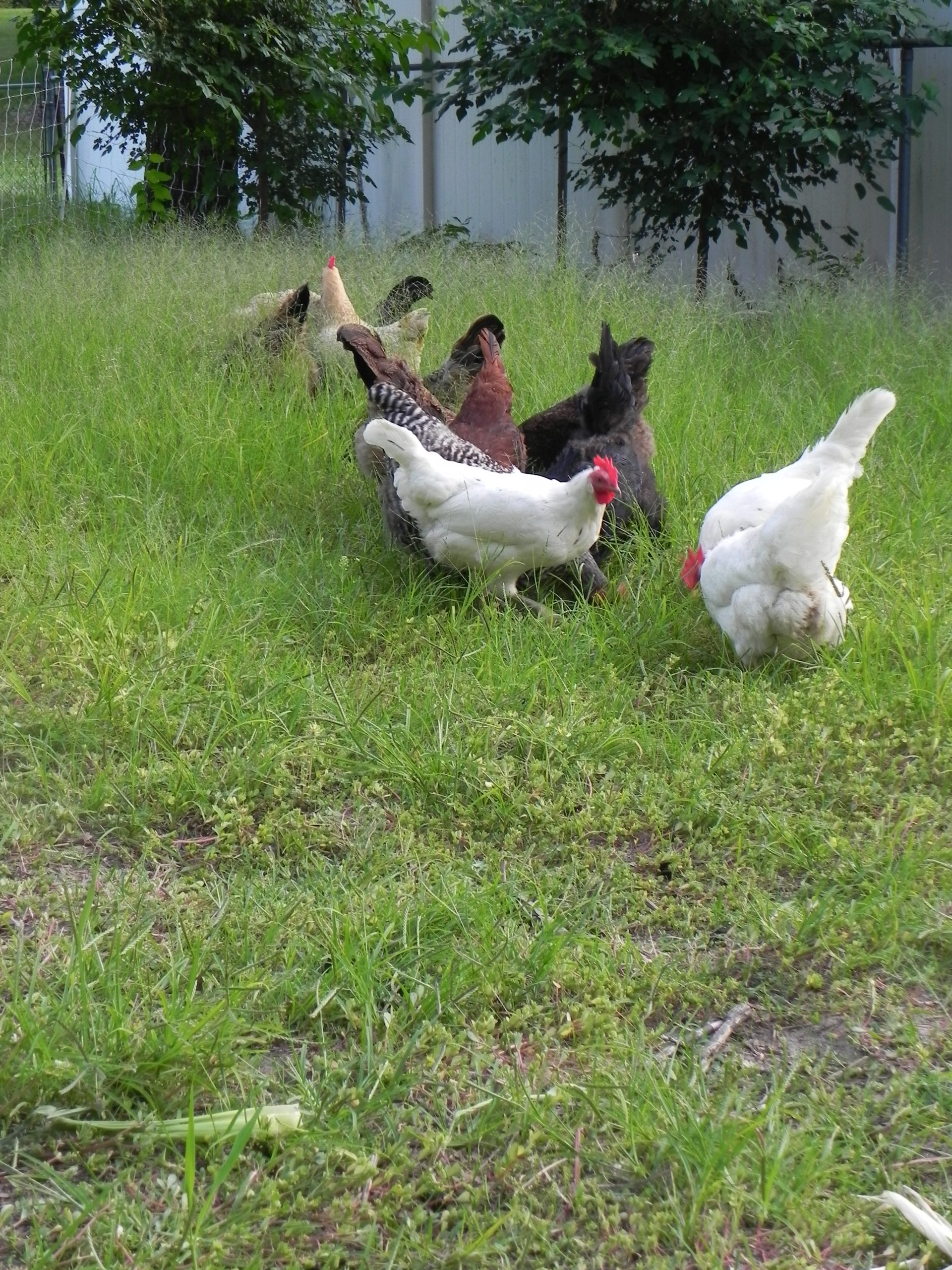
Backyard honey bees and chickens are a perfect combination for a family who loves homesteading. Tending both bees and chickens is fascinating and balanced. Chickens produce protein rich eggs, while bees provide sweetener.
Beekeeping is an ancient practice. In the days before cheap sugar entered the market it was the main source of sweetener in Eurasia, where honeybees are native. Bees crossed the Atlantic Ocean with early human immigrants who tended them in towns and on farms. Some of their hives swarmed and formed new wild colonies that spread west faster than settlement, often living in hollow trees. Today many suburban backyards have enough space for both hives and a coop.
Jean Wiedenheft and Omar Salinas tend bees and chickens at the Indian Creek Nature Center’s Sugar Grove Farm near Cedar Rapids, Iowa. Although some people put their hives in the chicken run or even on top of the coop, Jean and Omar keep them near each other but separate. Plenty of space makes handling hives easier without the distraction of hens fluttering around. “We find that keeping bees and chickens boosts our vegetable and fruit yields. The chickens provide manure and the bees pollinate,” said Jean.

Before Jumping into Beekeeping
Beekeeping may seem like a perfect complement to a chicken flock, but before attempting it do homework to make sure it’s right for the family. Here are some things to consider.
Is it legal: Some communities allow backyard chickens but not bees. Weirdly other towns allow bees but not hens. Check local laws before investing in bees. Check local ordinances on town websites.
Will neighbors welcome bees: A neighbor deathly allergic to stings may not be crazy about bees buzzing into his yard. Talk with neighbors before jumping into bees. When we asked our neighbors if they’d be ok with us having hives, they were delighted. Many were gardeners who liked having pollinators living in a nearby hive.
Am I willing to learn: Beekeeping is an art that takes a while to master. Books, magazines, and YouTube videos can be educational but the best way to learn is to find an experienced beekeeper for a mentor.
Do I have the Time: Bee hives need attention during the warm months yet require much less time during winter. May and June are critical months for hive care. We had so many time commitments during those months that tending to our bees was a problem and eventually led us to give our hives and equipment away.
Am I willing to make the dollar investment: Yup, starting beekeeping can be expensive. Hives, swarms, smokers, veils, gloves, and coveralls are essential. Extractors are devices that spin honey out of waxy cells in the fall. They’re expensive, but often an established area beekeeper will let folks use his. It helps reduce cost. Used equipment can sometimes be located on Craig’s List or Facebook Marketplace. Most beekeepers order swarms of workers with one queen to get started. They’re shipped in the mail.
Am I strong enough to lift supers filled with heavy honey? A super is the uppermost part of the hive where bees store honey. It can weigh 50 pounds or more, so being able to lift heavy weights helps.
Don’t be discouraged. We absolutely loved our bees. They were so fascinating that a honey harvest seemed less important than what we learned from them, but we also remember cold autumn evenings when we enjoyed delicious cornbread, made with our eggs and covered with honey fresh from our hives.