If you keep backyard chickens, or you are thinking about it, one of the first questions that comes to mind is a simple one: how long do chickens live? The short answer is that most chickens live between 5 and 10 years, but the real answer depends on a handful of factors, from breed and genetics to diet, housing, and everyday care. For many keepers, chickens are far more than egg producers. They are pets with names and personalities, which makes their lifespan something worth understanding. Here is what shapes how long a chicken lives, how long hens keep laying, and what you can do to help your flock thrive.
New to backyard chickens?
FlockJourney is your go-to resource for flock care, breed guides, and poultry tips straight from the experts at Hoover’s Hatchery.
How Long Do Chickens Live on Average?
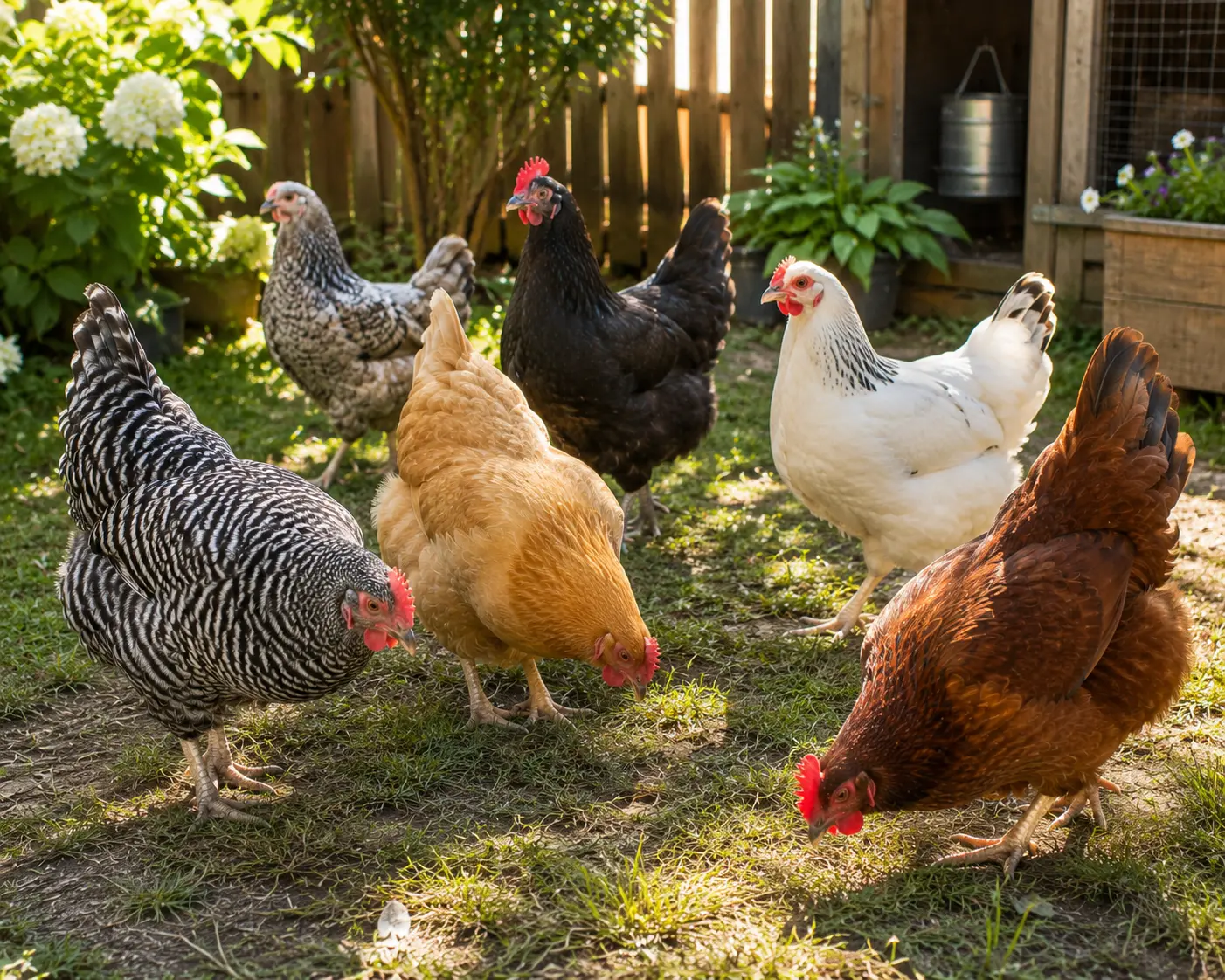
Let’s start with the headline number. Most backyard chickens live between 5 and 10 years, though lifespan varies widely by breed, genetics, and care. Give a hardy bird a clean coop, good food, and protection from predators, and 8 to 10 years is realistic. Push a high-production hybrid hard for eggs, and you may see only a few years.
It helps to remember that chickens are prey animals. On top of the usual factors that affect any animal’s health, they also face predators and the occasional rough day in the pecking order. All of that plays into how long any individual bird lives.
Chicken Lifespan by Breed Type
Genetics set the baseline, and different categories of chicken have meaningfully different lifespans. Production hybrids like the ISA Brown often live only 2 to 3 years, while heritage breeds can reach 8 to 10 years and hardy landrace breeds can live beyond 10. Here is how the main groups compare.
| Breed Type | Typical Lifespan | Examples |
|---|---|---|
| Production hybrids | 2 to 3 years | ISA Brown and other high-output layers |
| Dual-purpose breeds | 5 to 8 years | Breeds raised for both eggs and meat |
| Heritage breeds | 8 to 10 years | Rhode Island Red, Plymouth Rock, Brahma, Australorp |
| Landrace breeds | 10+ years | Swedish Flower Hen and other naturally developed breeds |
Production hybrids are bred to be egg-laying machines, and that intense output takes a toll on the body over time. Dual-purpose breeds, raised for both eggs and meat, tend to last a little longer. Heritage breeds, the time-tested birds accepted by the American Poultry Association, are slower growing and longer lived, which is part of why birds like Rhode Island Reds and Plymouth Rocks remain backyard favorites. Landrace breeds, which developed naturally with little human intervention, have the strongest immune systems and the longest lifespans of all, though they can be hard to find.
What Factors Affect How Long a Chicken Lives?
Breed is only the starting point. A chicken’s lifespan depends on genetics, diet, housing, disease prevention, and protection from predators. The biggest factors include the quality of daily feed and fresh water, a clean and well-ventilated coop, parasite and disease management, access to the right vitamins and minerals, and a safe setup that keeps predators out.
Stress matters too. A crowded or chaotic flock, frequent predator scares, or pecking-order injuries can all shorten a bird’s life. Speaking of predators, they are one of the most common causes of an early death in backyard flocks, so it is worth learning how to protect your flock from predators before trouble finds you.
Choosing breeds for your flock?
Browse our complete breed guides to find hardy, long-lived birds that fit your climate and goals.
How Long Do Chickens Lay Eggs?
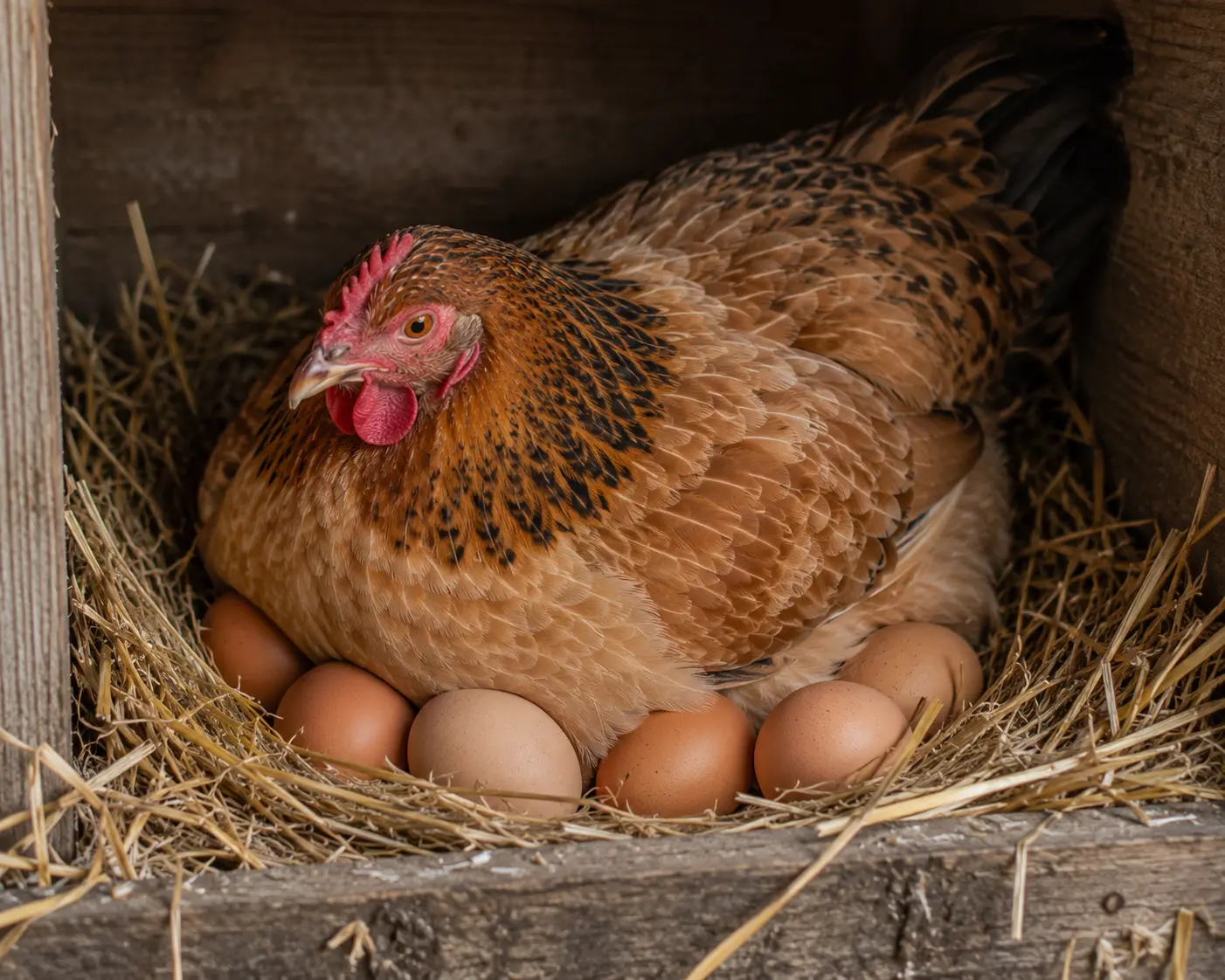
Lifespan and laying span are two different things. Hens typically begin laying between 16 and 24 weeks of age and can continue producing eggs for 5 to 10 years. Production is highest during the first two years, when a healthy hen may lay close to 300 eggs a year, or about six per week depending on the breed.
After those peak years, egg numbers gradually taper off each season, but plenty of hens keep laying well into older age. Heritage breeds in particular can surprise you, with some Plymouth Rocks still laying at 8 to 10 years old. If a steady egg basket is your goal, it helps to mix in some dependable high-production egg layers alongside your longer-lived heritage birds.
How to Help Your Chickens Live Longer
The good news is that much of a chicken’s lifespan is in your hands. Clean water, quality feed, a secure coop, and good preventive care are the biggest levers for a longer, healthier life. A few priorities make the biggest difference:
- Feed a complete, age-appropriate feed and always provide fresh, clean water.
- Keep the coop clean, dry, and well-ventilated to prevent disease and parasites.
- Secure your run and coop against predators, both day and night.
- Watch for early signs of illness and address them quickly.
- Give your birds enough space to reduce stress and pecking-order conflict.
Hardy, well-chosen breeds help too. If you are building or adding to a flock, browsing long-lived dual-purpose breeds is a great place to start, and you can find healthy baby chicks shipped right to your door.
Frequently Asked Questions
How long do chickens live on average?
Most backyard chickens live between 5 and 10 years with good care. The exact lifespan depends on the breed, genetics, diet, housing, and protection from predators. Hardy heritage breeds tend to live longest, while high-production hybrids often live the shortest.
What breed of chicken lives the longest?
Landrace breeds, which developed naturally with little human intervention, tend to live the longest, often more than 10 years. Heritage breeds like Rhode Island Reds, Plymouth Rocks, and Australorps commonly live 8 to 10 years. Production hybrids typically have the shortest lifespans.
Why do hybrid chickens like ISA Browns have shorter lifespans?
Production hybrids such as the ISA Brown are bred to lay an exceptional number of eggs, and that heavy output puts strain on the body over time. As a result, they often live only about 2 to 3 years, compared to 8 years or more for many heritage breeds.
How long do chickens lay eggs?
Hens usually start laying between 16 and 24 weeks of age and can keep laying for 5 to 10 years. Egg production peaks during the first two years and gradually declines with age, though many hens continue laying into their later years, especially heritage breeds.
How can I help my chickens live longer?
Provide a complete feed, fresh water, and a clean, well-ventilated coop, and protect your flock from predators day and night. Stay on top of parasite control and watch for early signs of illness. Reducing stress with enough space and a stable flock also helps your chickens live longer, healthier lives.
So, how long do chickens live? With the right breed, a safe home, and attentive care, a backyard chicken can be part of your family for the better part of a decade, and sometimes longer. Like us, chickens are shaped by genetics, diet, and environment, and the care you give them adds up over the years. Whether your birds are productive layers or simply beloved pets, understanding their lifespan helps you give them the long, happy life they deserve.
Ready to start a happy, healthy flock?
Whether you want long-lived heritage birds or productive layers, Hoover’s Hatchery ships healthy chicks straight to your door, with over 200 breeds to choose from.