Almost every backyard keeper starts out with a firm number in mind. Six chickens, maybe ten, absolutely no more. Then spring arrives, the local farm supply store puts out an irresistible assortment of chicks, and somehow that number keeps climbing. It’s one of the friendliest slippery slopes there is. The catch is that you can’t simply open the coop door and let everyone sort it out. Pecking order is no joke in the chicken world, and it has real consequences if you aren’t careful. Here’s a safe, proven method for integrating your chicken flocks that lets birds get acquainted without anyone getting hurt.
New to backyard chickens?
FlockJourney is your go-to resource for flock care, breed guides, and poultry tips straight from the experts at Hoover’s Hatchery.
Why Integration Needs a Plan
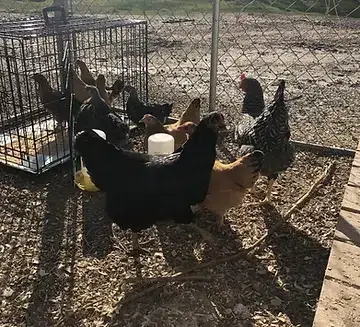
An established flock has already worked out who’s who. The older hens are on top of the world in their own coop, and dropping unfamiliar birds into that settled world is genuinely disruptive. Chickens sort out rank through pecking, and when newcomers arrive with nowhere to retreat, that sorting can turn into real injury rather than harmless posturing.
The solution isn’t to avoid the pecking order, which is natural and unavoidable, but to let the birds establish it gradually and safely. That’s what the method below does: it introduces the flocks to each other by sight and sound long before they ever share space.
Before You Start: Set Yourself Up for Success
A few things make integration go far more smoothly:
- Make sure you have enough space. This is the big one. Birds need room to walk away from trouble, and a crowded coop turns a normal squabble into a serious one. Add space before you add birds. A properly sized chicken coop for your full flock count matters more here than anywhere else.
- Wait until the newcomers are big enough. Young birds should be fully feathered and out of the brooder stage before they meet adult hens. Our guide to how long chicks should stay in the brooder covers when they’re ready.
- Quarantine birds from outside sources. If your new birds came from another keeper, an auction, or a swap rather than from your own brooder or a hatchery, keep them separated for a few weeks first and watch for signs of illness. This protects your established flock from anything the newcomers might carry.
- Add extra feeders and waterers. More stations mean less competition, so a lower-ranking bird never has to choose between eating and avoiding a dominant hen.
The Kennel Method: Step by Step
This approach works because it lets the flocks see and hear each other while a physical barrier keeps everyone safe. All you need is a small dog kennel from a farm supply store.
- Start in the run. On a nice day, set the kennel with the newcomers inside it into the established flock’s run. The two groups can see and hear each other with no possibility of contact.
- Make it a positive experience. Sit out there with them and sprinkle treats around the kennel. This gets the older hens associating the newcomers with something good rather than with competition.
- Repeat, then move into the coop. After a few sessions in the run, move the kennel inside the coop and run the same process there.
- Try supervised time together. Once both groups seem comfortable, let the newcomers out of the kennel into the run so everyone shares the space, with you watching the whole time.
- Return them to their own quarters. After a couple of hours, put the newcomers back in their brooder or separate housing. Don’t rush to leave them overnight.
- Let them integrate in the late afternoon. When you’re confident, put the newcomers out in the run later in the day. Come back at dusk to close up the coop, and you may well find the whole flock roosting together.
The birds will keep working out their pecking order after this, and that’s normal. The goal isn’t to prevent all pecking, it’s to make sure nobody gets hurt while rank gets settled.
Not sure which breed is right for you?
Browse our complete breed guides to find the perfect match for your flock goals, climate, and lifestyle.
How Long Does Integration Take?
The whole process typically takes about a week. That’s a week of short, gradual sessions rather than a week of constant work, and the payoff is a flock that eases into the change without a big surprise. One of the best signs the method is working: the established hens keep laying right through it, because they never experience the shock of a sudden invasion.
Don’t feel bound to that timeline, though. Some flocks need longer, and going slower costs you nothing.
Timing Around Point of Lay
One consideration worth planning around: birds approaching point of lay are more sensitive to disruption. If your newcomers haven’t started laying yet but are getting close, it’s worth taking extra time with the integration so you don’t interfere with their schedule. The same applies to established hens in a heavy laying stretch. Slower is safer when eggs are on the line.
Supporting Your Flock Through the Transition
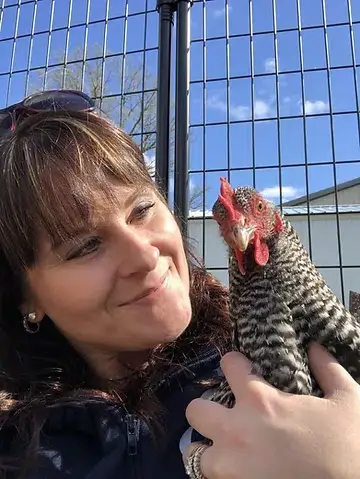
Introducing new birds is one of the recognized stress points in a flock’s year, alongside molting, weather swings, and coop cleanouts. Many keepers give a daily supplement like Chicken E-lixir year-round to support immune and digestive health, then add a times-of-challenge product such as Flock Fixer to the water during the transition itself, typically for 3 to 5 days. These are wellness supplements meant to support hydration and nutrition through a stressful stretch, not medications. The fundamentals still do most of the work: enough space, plenty of feed and water stations, and a gradual introduction.
Our guide to natural products for maintaining chicken health covers daily wellness in more depth. And if you’re thinking of adding ducks, turkeys, or guineas rather than more chickens, our guide to keeping multiple species of birds together covers what changes.
Frequently Asked Questions
How do you introduce new chickens to an existing flock?
Use a see-but-don’t-touch approach. Place the new birds in a small dog kennel inside the established flock’s run so both groups can see and hear each other safely, sprinkle treats around the kennel to create a positive association, then progress to the coop, then to short supervised sessions together before finally letting them roost as one flock. Gradual exposure is what prevents injuries.
How long does it take to integrate chicken flocks?
About a week is typical using the gradual kennel method, though some flocks take longer and there is no harm in going slower. The process involves short daily sessions rather than constant supervision. Established hens often keep laying right through it because the change never comes as a shock.
Will chickens fight when you introduce new birds?
Some pecking and squabbling is normal and unavoidable, since chickens establish a pecking order through exactly this behavior. The goal is not to eliminate it but to prevent injuries while rank gets sorted out. Adequate space is critical, because birds need room to walk away from confrontation.
Should you quarantine new chickens?
Yes, if the birds came from another keeper, an auction, or a swap rather than your own brooder or a hatchery. Keep them separated for a few weeks and watch for any signs of illness before beginning integration. This protects your established flock from disease the newcomers could be carrying.
How old should chicks be before joining the main flock?
Wait until young birds are fully feathered and past the brooder stage, which is usually somewhere between 5 and 8 weeks depending on breed. Small chicks are too vulnerable to be housed with adult hens. Size and maturity matter as much as age.
Integrating flocks doesn’t have to be difficult or stressful. Give the birds a barrier and time to get acquainted, make the introductions positive with treats, take it in short supervised steps, and make sure everyone has room to spread out. Follow that and you can keep adding to your flock with confidence. Because let’s be honest, there’s always room for a couple more.
Ready to add to your flock?
Hoover’s Hatchery ships healthy, vaccinated chicks straight to your door, with over 100 breeds to choose from. Your next favorite hen is waiting.