How to Manage and Prevent Lice in Your Chicken Flock
Raising chickens can be one of the most rewarding homestead or backyard hobbies, but like any animal, poultry are vulnerable to external parasites. One of the most common—and frustrating—pests you may encounter is chicken lice. Left unchecked, lice can spread quickly through a flock, reducing egg production, stressing your birds, and even leading to secondary health issues. Fortunately, with the right management and prevention strategies, you can keep lice under control and your hens happy and healthy.
Recognizing the Signs of Lice in Chickens
Chicken lice are tiny, straw-colored insects that live on the bird’s skin and feathers. Unlike mites, they do not suck blood; instead, they feed on feather debris and skin. Watch for these signs:
- Restless behavior – frequent preening, pecking, or scratching.
- Feather damage – ragged or broken feathers, especially near the vent, under the wings, or around the neck.
- Visible parasites or eggs – small clusters of whitish egg masses at the base of feather shafts.
- Reduced laying – stressed hens may produce fewer eggs.
- Weight loss or weakness – in severe infestations.
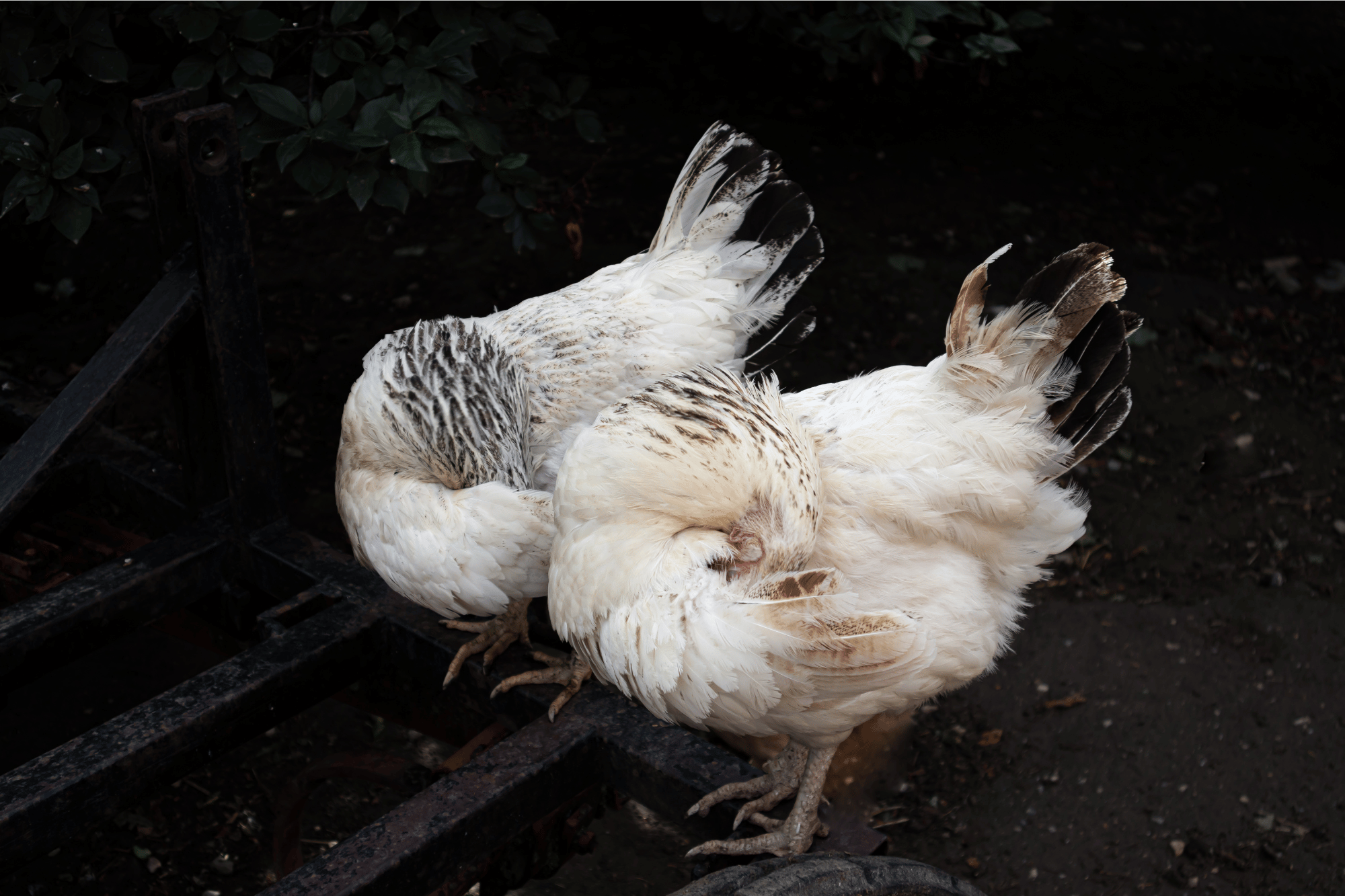
Regular flock inspections are your first line of defense. Pick up a few birds once a month and check their vent area, under wings, and along the back for lice or eggs.
How to Treat Lice in Chickens
If you discover lice in your flock, don’t panic—treatment is straightforward with the right approach.
- Dust or Spray Treatments
- Poultry-safe insecticidal dusts or sprays (containing permethrin, for example) are effective against lice.
- Apply the product directly to the birds, working it down to the skin, especially under wings and around the vent.
- Repeat treatment after 7–10 days to break the life cycle, since eggs can hatch after the initial treatment.
- Clean and Disinfect the Coop
- Remove all bedding and nest box material.
- Scrub surfaces with a poultry-safe disinfectant.
- Allow the coop to dry before adding fresh bedding.
- Treat the Environment
- Spray cracks, corners, and perches with insecticidal spray, as lice and eggs may be hiding there.
- Replace roosting bars or use a blowtorch carefully on wooden perches to kill hidden pests.
Preventing Future Outbreaks
An ounce of prevention is worth a pound of cure. Keeping lice out of your flock is easier than eradicating them once they’ve set in.
- Provide Dust Bathing Areas
Chickens naturally control external parasites by dust bathing. A mixture of dry soil, sand, and wood ash makes an excellent dust bath. Ensure it stays dry and is always available.
- Practice Good Coop Hygiene
- Regularly change bedding.
- Keep litter dry to discourage pests.
- Inspect roosts and nest boxes routinely.
- Quarantine New Birds
Anytime you bring in new chickens, quarantine them for at least 2 weeks. Inspect them for lice or other parasites before introducing them to your main flock.
- Limit Wild Bird Contact
Wild birds can carry lice and other parasites. Minimize access to your flock’s feed and water sources by using covered feeders and waterers.
- Schedule Routine Health Check
Handling and inspecting your birds on a regular basis not only keeps them tame but also allows you to spot problems early before they spread.
Final Thoughts
Chicken lice are an unpleasant but manageable problem. With regular flock checks, a clean environment, and preventative measures like dust baths and quarantines, you can drastically reduce the chances of an infestation. And if lice do show up? Prompt treatment and good follow-up will have your flock pest-free in no time.