Pin Feathers in Chickens: What They Are and How to Help
If you’ve ever seen your chickens looking a bit rough—sporting more “hedgehog chic” than their usual fluff—you’ve witnessed the wonders of pin feathers. Think of pin feathers as your birds’ awkward teen phase: pointy, sensitive, and best approached with plenty of patience and zero judgment.
What Are Pin Feathers?
Pin feathers are the new growths that sprout when a chicken molts, prepping for a wardrobe upgrade. Each feather starts as a shaft covered in a waxy keratin sheath, resembling little pins poking out from your bird’s body. Beneath that sheath is a tender blood supply, giving these fresh feathers a bit of drama—handle with care, because damage means bleeding.
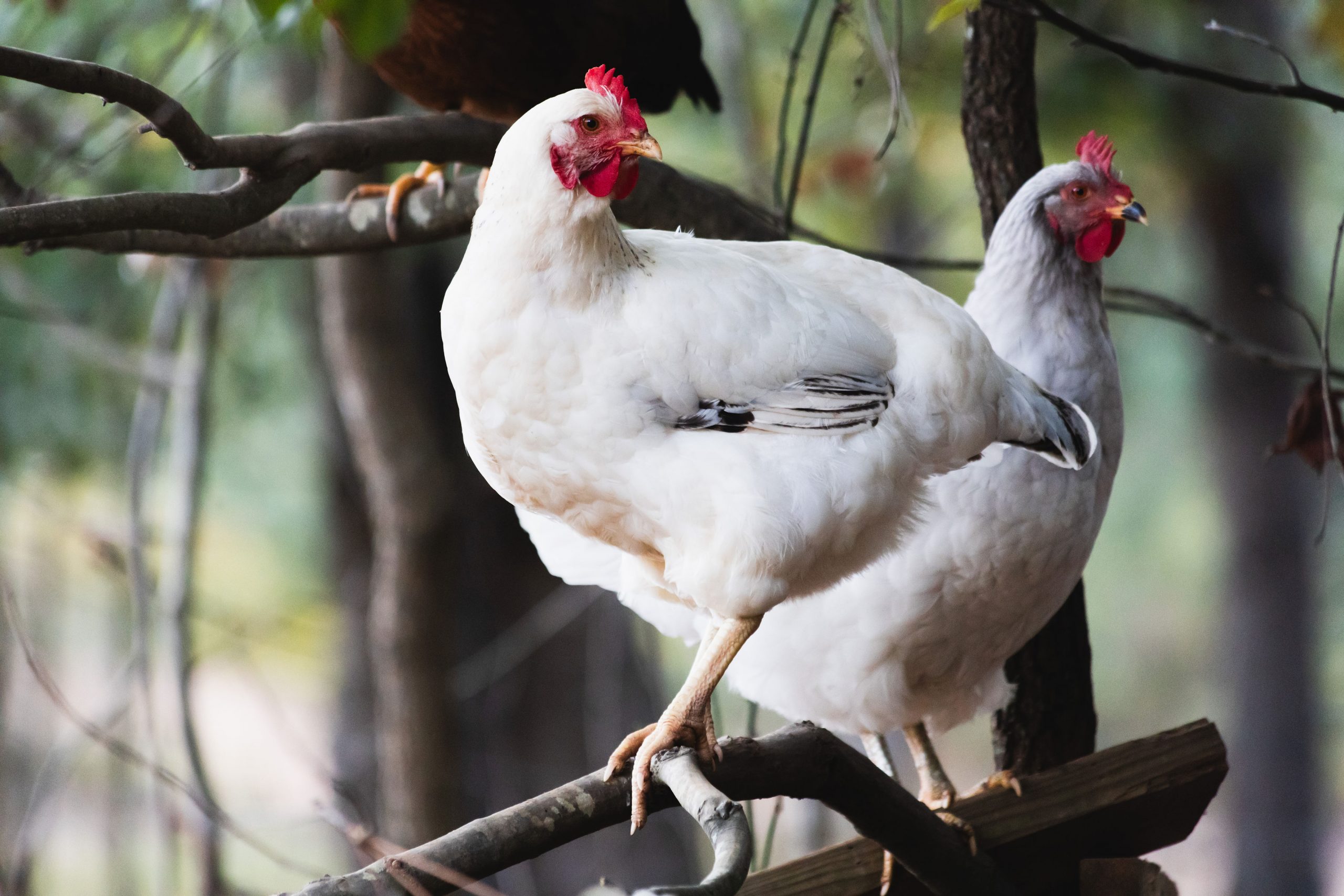
Handling Pin-Feathered Birds
This is not the time for cuddles. Pin feathers are super sensitive, and chickens generally prefer solo time while molting. If you need to handle your chicken, do so gently—and only if absolutely necessary. If a pin feather breaks and starts bleeding, use a clotting agent, flour, or cornstarch to stop it. If the bleeding won’t quit, pluck the feather at the base and apply gentle pressure.
Helping Them Through the Molt
Molting (and pin feathers) is stressful work for chickens. Boost their diet with extra protein—think scrambled eggs or cooked quinoa—since feathers are basically built out of protein. Probiotics and electrolytes can go a long way, and keeping stress low (no surprise coop moves!) helps your flock sail through this prickly time. Allow for quiet spaces during the molt; many chickens feel extra weak and vulnerable during this time.
Extra Tips for a Smooth Feather Transition
- Don’t help your chickens “open” pin feathers—let nature take its course.
- Bathe or mist your chickens if they seem itchy; water loosens the keratin sheath so they can preen more comfortably.
- Avoid introducing new flock members during molt, as stress makes pin feathers (and tempers) flare.