When most people picture chicken eggs, the familiar whites and browns come to mind first. But step into the world of backyard chicken keeping and you will quickly discover a far more colorful reality. One shade stands out above the rest as the most prized and hardest to find. The rarest color of chicken egg is the blue-green egg, most famously laid by the Araucana chicken. So what makes this egg color so special, and which other breeds can fill your basket with color? Let’s take a closer look.
New to backyard chickens?
FlockJourney is your go-to resource for flock care, breed guides, and poultry tips straight from the experts at Hoover’s Hatchery.
The Rarest Color of Chicken Egg: Blue-Green
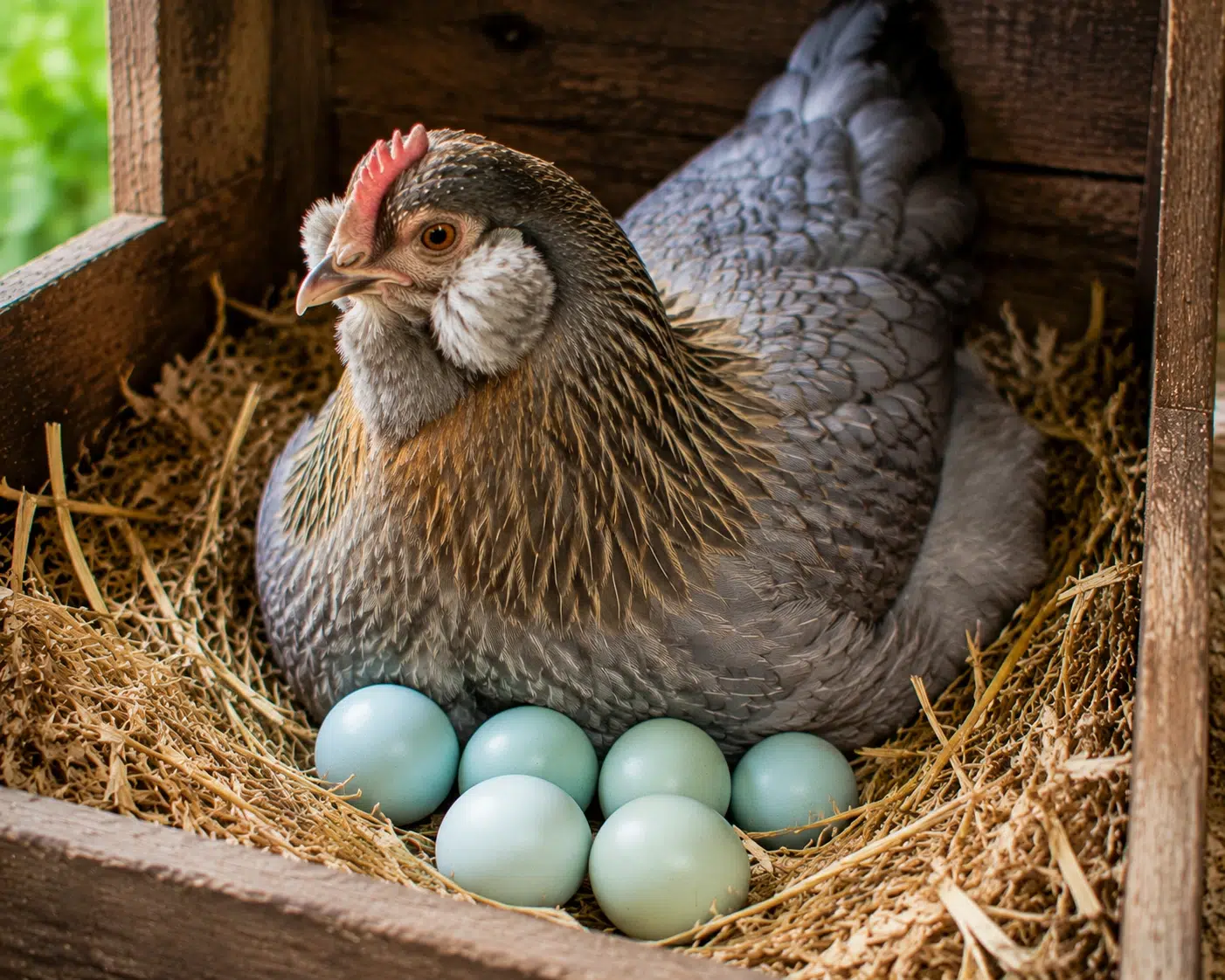
Blue-green eggs are genuinely striking. They add a fun pop of color to your egg basket and are guaranteed to spark conversation with anyone who peeks inside the carton. This unusual color comes from a specific genetic trait found in only a select few breeds. The Araucana, native to South America, is the breed most associated with these jewel-toned eggs. Araucanas carry a gene at the so-called “O” locus, which deposits a blue pigment called oocyanin onto the eggshell, producing that vibrant blue or blue-green tint. On top of their famous eggs, Araucana hens typically lay around 150 to 200 eggs per year.
What Makes Araucana Chickens So Rare?
Araucanas are not just special for their eggs. They are also known for their quirky good looks, especially their charming ear tufts, and for their friendly, curious personalities. Even so, they remain relatively uncommon in much of the world because of their demanding breeding requirements and certain genetic challenges. Araucanas carry a lethal gene combination that can complicate breeding and reduce hatch success, which keeps their numbers lower than many other breeds. The good news is that if you are in the United States, you can usually track down an Araucana with a bit of searching, and most keepers agree the hunt is well worth the reward.
Why Are Blue-Green Eggs So Uncommon?
The rarity of blue-green eggs really comes down to limited genetics and breed availability. Only a handful of chicken breeds carry the genetic trait needed to produce blue eggs, and even among those, not every hen lays consistently blue eggs. Factors like diet, environment, and stress can all influence both egg production and the depth of shell color. Put simply, the perfect blue-green egg depends on the right genetics meeting the right conditions, which is exactly why these eggs feel so special when you find them in the nest box.
Not sure which breed is right for you?
Browse our complete breed guides to find the perfect match for your flock goals, climate, and lifestyle.
Other Chicken Breeds That Lay Blue or Green Eggs
Here is the best part: you do not need a hard-to-find Araucana to enjoy a colorful basket. Several more widely available breeds also lay beautiful blue and green eggs, including Ameraucanas, Easter Eggers, Cream Legbars, Prairie Bluebells, and Olive Eggers. Together, these breeds bring a whole rainbow to the nest box, in shades of blue, teal, mint, and olive green. If a true green egg is what you are after, breeds like the Starlight Green Egger deliver especially vivid, mossy tones. And here is a fun fact that surprises many new keepers: a hen lays the same color egg for her entire life. Every egg actually starts out white, and the shell color is determined by genetics and added at the very end of the laying process.
Do Blue-Green Eggs Taste Different?
Not at all. Blue and green eggs have a nutritional profile nearly identical to that of white and brown eggs. The flavor and quality of any egg come from what the hen eats, how healthy she is, and how she is raised, never from the color of her shell. So whether your eggs are sky blue, speckled brown, or pure white, they are all an excellent source of protein and nutrients when they come fresh from happy, well-cared-for hens. The color is simply a delightful bonus.
Adding the Rarest Color of Chicken Egg to Your Flock
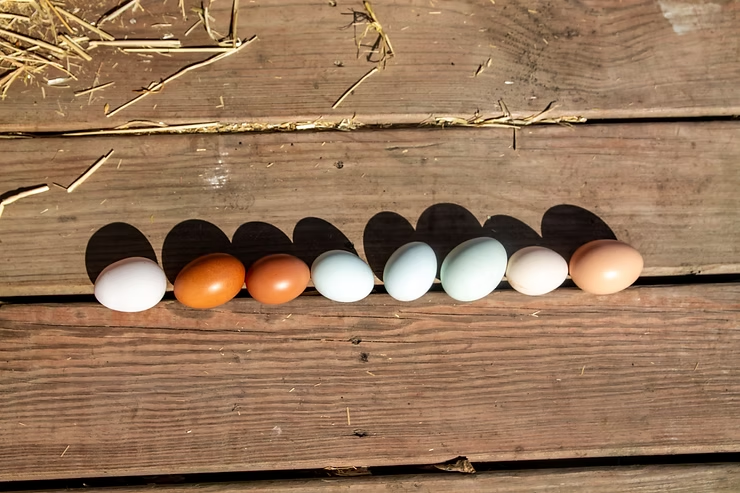
In the end, the rarest color of chicken egg, that gorgeous blue-green, adds a truly delightful dimension to any backyard flock. As backyard chicken keeping continues to grow in popularity, so does the joy of gathering a more colorful basket each morning. You may start your flock for fresh, healthy eggs, but it is the personalities, quirks, and those bright pops of color that keep so many keepers hooked. If you are ready to plan a rainbow basket, our other guides on raising productive egg layers can help you choose the right birds. Add a little variety to your flock, and you almost certainly will not be disappointed.
Frequently Asked Questions
What is the rarest chicken egg color?
The rarest and most sought-after chicken egg color is blue-green, most famously laid by the Araucana. This color comes from the blue pigment oocyanin, which is deposited on the shell by a specific gene. Because only a few breeds carry that gene, blue-green eggs remain uncommon.
What chickens lay blue eggs?
Araucanas are the classic blue-egg layer, but they are not the only option. More widely available breeds like Ameraucanas, Easter Eggers, Cream Legbars, and Prairie Bluebells also lay blue or blue-tinted eggs. These breeds are generally much easier to find than purebred Araucanas.
What chickens lay green eggs?
Green eggs typically come from breeds that blend blue and brown egg genetics, such as Olive Eggers, Easter Eggers, and the Starlight Green Egger. The exact shade can range from soft mint to deep olive. These breeds are a fun, accessible way to add green to your egg basket.
Do blue and green eggs taste different from brown or white eggs?
No, the shell color has no effect on taste or nutrition. Blue, green, brown, and white eggs all have a nearly identical nutritional profile. Flavor and quality depend on the hen’s diet, health, and living conditions, not the color of the shell.
Do chickens lay the same color egg their whole life?
Yes, a hen lays essentially the same color egg throughout her life. Every egg begins white, and the breed’s genetics determine the color added during the laying process. Diet, stress, and age can cause minor variations in shade, but the base color stays consistent.
From the prized blue-green of the Araucana to the mint and olive tones of Easter Eggers and Olive Eggers, colorful eggs are one of the most rewarding parts of keeping chickens. They taste just as wonderful as any other egg, and they turn an ordinary morning gather into a little moment of joy. If you have the chance to add a blue or green egg layer to your flock, go for it. Your egg basket will thank you.
Want a more colorful egg basket?
Hoover’s Hatchery ships healthy, vaccinated chicks straight to your door. Explore their colored egg layers and start collecting blue, green, and teal eggs of your own.