
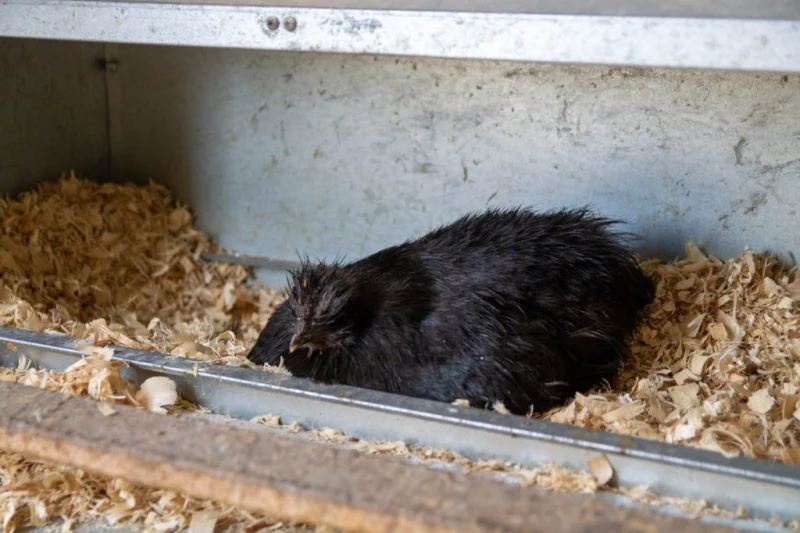
Quick answer
Hens most often stop laying because of short days (they need about 14 hours of light), stress, a poor diet, age (production is best from 6 months to 2 years), illness or parasites, or molt. Work through each cause: add light if you choose, remove stressors, offer layer feed with calcium and protein plus clean water and grit, and check for mites, lice and worms.
It’s a cold January here in Minnesota and I’ve had a number of people reach out as to why their hens aren’t laying eggs. Keeping chickens can be a rewarding experience, especially when you enjoy the fresh eggs they provide. However, it can be concerning when your hens suddenly stop laying! There are a few different reasons why chickens stop laying eggs and today we’re going to look at each one of those.
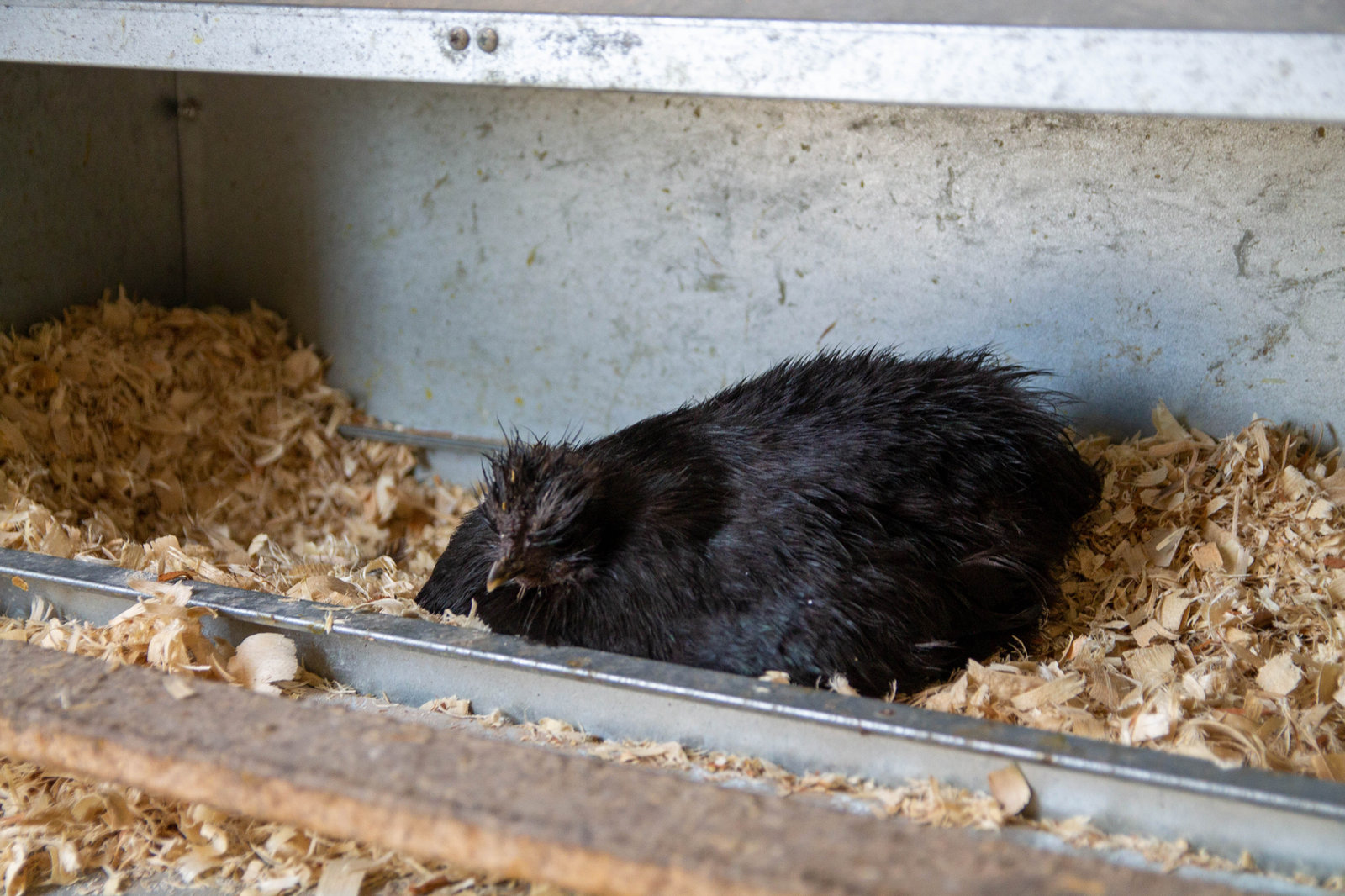
Do Seasonal Changes Stop Hens From Laying?
Chickens are sensitive to daylight and temperature changes. Most hens require around 14 hours of daylight to maintain consistent egg production. During the shorter days of fall and winter, hens naturally reduce or stop laying altogether.
-
Newer Hens: Young hens may still lay through the winter but likely won’t produce daily unless you add supplemental light.
-
To Add Light or Not to Add Light? Adding artificial light to the coop can keep egg production steady, but some chicken keepers prefer to let their flock take a natural break during the winter. It’s a personal choice based on your flock’s needs and your preferences!
Can Stress Stop Hens From Laying?
Stress can significantly impact your hens’ ability to lay eggs. Common stressors include:
-
Predators or Attacks: Even the presence of predators can make hens anxious.
-
New Environments: Moving your flock to a new location or introducing new birds can disrupt their routine.
-
Pecking Order Issues: Bullying and pecking order issues within the flock can also cause stress.
Whenever my flock experiences stress, I turn to Flock Fixer. It provides an extra boost during tough times and has even saved the lives of a couple of my hens!
Can Diet Cause Hens to Stop Laying?
A well-balanced diet is essential for hens to produce eggs. If they’re not getting the right nutrients, their laying may slow or stop entirely.
-
Layer Feed: Ensure your flock is on high-quality layer feed, which meets the nutritional needs of laying hens.
-
Calcium and Protein: These are critical for strong eggshells and consistent production.
-
Grit and Clean Water: Chickens need grit for digestion and fresh, clean water daily. Adding electrolytes, like those in Flock Fixer, can also support hydration and overall health.
Do Hens Stop Laying as They Age?
Hens are most productive between 6 months and 2 years old. After that, egg production naturally declines as they age.
-
Older Hens: If your hens are over 2 years old, they may simply be nearing the end of their productive years.
-
What to Do? While some people cull older hens, I prefer to keep them as pets and introduce younger hens to maintain steady egg production. My chickens bring me so much joy, and I love having them around!
Can Illness or Parasites Stop Hens From Laying?
Health problems can also lead to a drop in egg production. Common issues include:
-
Parasites: Both external (mites, lice and fleas) and internal parasites (worms) can affect laying.
-
Infections: Illnesses like respiratory infections or egg-binding can stop production.
-
Hygiene Matters: Keep the coop clean and perform regular health checks to catch potential issues early.
Do Hens Stop Laying When They Molt?
Molting is when hens shed old feathers to grow new ones, and it typically happens once a year. This process can last several weeks, and during this time, hens usually stop laying eggs.
-
Support During Molting: Provide a diet higher in protein to help your flock through molting. A cozy, stress-free coop will also make a big difference.
Tips for Getting Your Hens Back on Track
If your chickens stop laying eggs, take a close look at their age, environment, diet and health. As the days get longer, egg production will naturally pick up again, but you can help your flock thrive by staying proactive.
I can’t recommend Strong Animals Chicken Essentials enough. Their products have been a game-changer for my flock, supporting their health and keeping them productive year-round. A healthy, stress-free environment paired with proper nutrition will keep your hens happy and laying for years to come!
Until next time,
–The Wing Lady
Frequently Asked Questions
Why are my hens not laying eggs?
The common reasons are seasonal changes and short daylight, stress, diet and nutrition, age, health issues such as parasites and infections, and molting.
How much daylight do hens need to lay?
Most hens need around 14 hours of daylight for consistent production, so they naturally reduce or stop laying in the short days of fall and winter.
What stresses hens enough to stop laying?
Predators or attacks, moving the flock or adding new birds, and pecking order problems like bullying.
Does age affect egg laying?
Yes. Hens are most productive between 6 months and 2 years old, and production naturally declines after that.
Can parasites or illness stop hens from laying?
Yes. External parasites (mites, lice, fleas), worms, respiratory infections and egg binding can all stop production. Keep the coop clean and do regular health checks.
Do hens stop laying during a molt?
Usually yes. Molting happens about once a year and can last several weeks. A diet higher in protein and a stress-free coop help.