
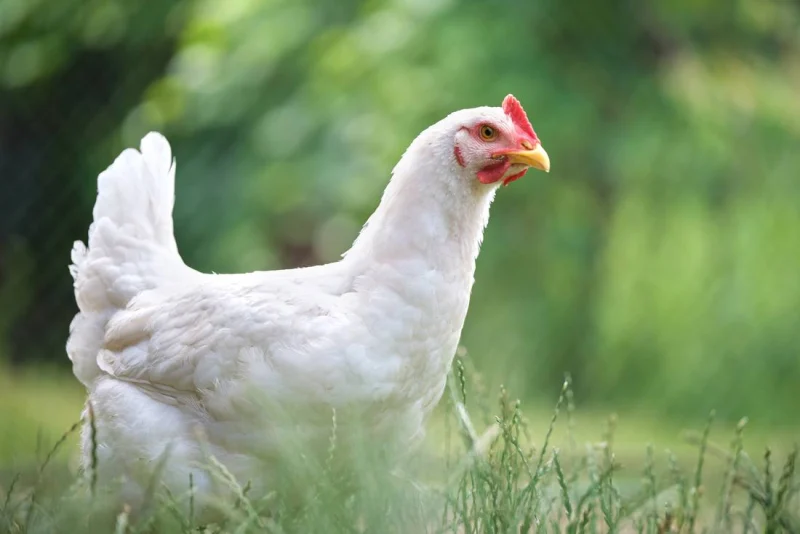
For many families Thanksgiving and Christmas are times of joy. At our Winding Pathways home we look forward to friends and family arriving for festivities and to share special meals and treats. If any season is baking time, late fall and winter take the cake.
There’s a problem. A half dozen, or so, hens in a backyard flock lay like fury during the warm months. Then, as daylight shortens in the fall, they lay fewer eggs.
Back in July the nest was full of eggs, but in December it may only hold one or two at collecting time.
That’s a chicken irony. As many eggs are needed to bake cookies and cakes for festive holiday gatherings, they’re in short supply. What to do?
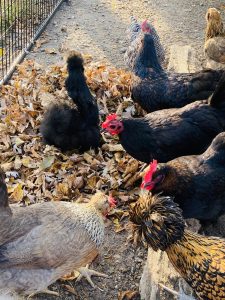
When our earth begins tilting away from the sun, starting with June’s summer solstice, animals and plants take notice. Shortening days signal birds when to migrate. Diminishing daylight triggers deer to mate and mammals to store up food. Like so many living things, chickens are sensitive to day length.
Nature programs chickens to lay the most eggs during spring’s days of increasing light. When fall approaches and days shorten egg production dwindles. Sometimes it completely stops…….just when a family needs plenty of eggs.
Encouraging More Eggs During Dark Seasons
We know we’ll need plenty of eggs during frosty fall and winter months so we manage our small flock to keep laying when days shorten and the temperature sinks. Here’s what helps us keep production high.
Breed Selection: Chicken breeds and hybrids known for high egg production are more likely to keep laying in the fall than breeds not known for high production. So, when we start a flock, we buy chicks of breeds known for laying plenty of eggs. Even these will slow their production, but usually not stop laying during dark cold months.
Add light: Hens lay the most eggs when there are about 15 hours of light and nine hours of darkness every day. That’s June at our latitude. But in Iowa’s December the sun is only up for about nine hours. Our solution is to add an artificial sun to the coop.
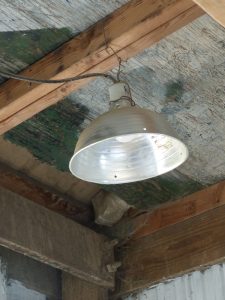
A fake sun! Yup, it’s a 12-watt LED bulb in a simple fixture placed high in the coop out of reach of the birds and anything flammable. We set a timer so it automatically turns the light on before dawn, waking up our chickens. As days shorten, we adjust the timer every few weeks to keep our birds in light about 15 hours a day.
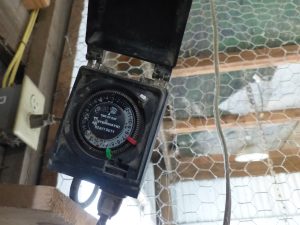
For example, in December sunrise is about 7:30 and sunset around 4:30. Nine hours of daylight. We set our timer to turn the light on between 1:30 and 2 am. That gives our hens about nine hours of darkness to enjoy sleeping and 15 hours of light.
It works! Artificial lighting production never quite reaches its June level, but it comes close. We have plenty of eggs for winter cooking.
Some flock owners don’t like using artificial light or lack electricity in their coop. That’s just fine, but they’ll likely need to head to the grocery store to buy the extra eggs needed for winter cooking. Their hens will again start laying like fury as winter’s days lengthen into spring.