
Quick answer
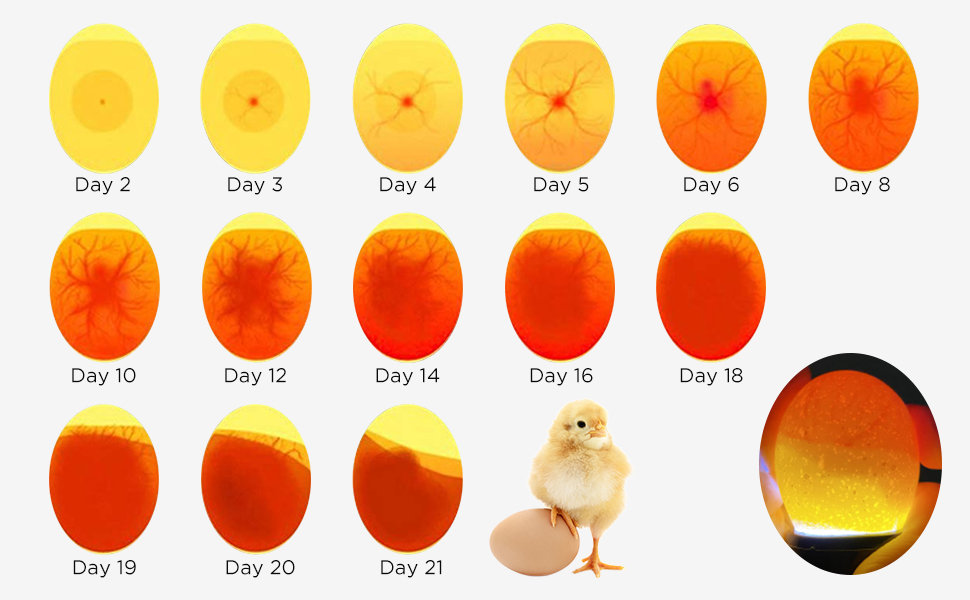
Candling means shining a bright light through an egg in a dark room to check on the embryo. Most Keepers candle on day 7 and day 14 of the 21-day incubation. A fertile egg shows a dark spot with red veins, while an infertile egg looks clear.
It’s spring, and for many backyard chicken keepers, that means one thing: new chicks! I usually order mine from Hoover’s Hatchery, but I’ve also hatched my own a couple of times. It’s exciting, fascinating and honestly, a little nerve-wracking! But if you’re up for the adventure, I’ll walk you through how to candle an egg and spot the signs of chick development along the way.

What is Egg Candling?
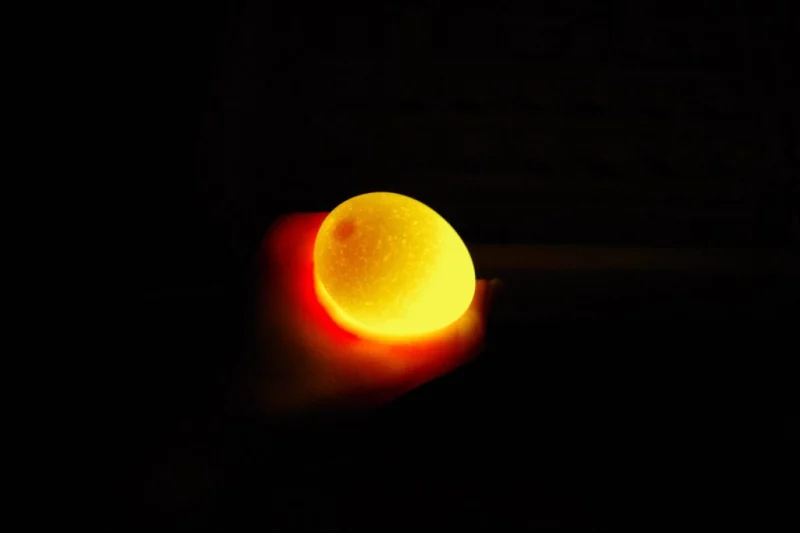
Candling is a simple method used to check if an egg is fertile and developing properly. It involves shining a bright light through the egg to see what’s going on inside without cracking it open. The term “candling” comes from the old-school practice of using candles, but a strong flashlight works just fine today.
Candling is most helpful for:
-
Checking if eggs are fertile
-
Monitoring chick development
-
Removing eggs that aren’t progressing (so they don’t spoil and affect healthy eggs)
When Should I Candle Eggs During Incubation?
Chick development takes about 21 days from start to hatch. Most people candle twice:
-
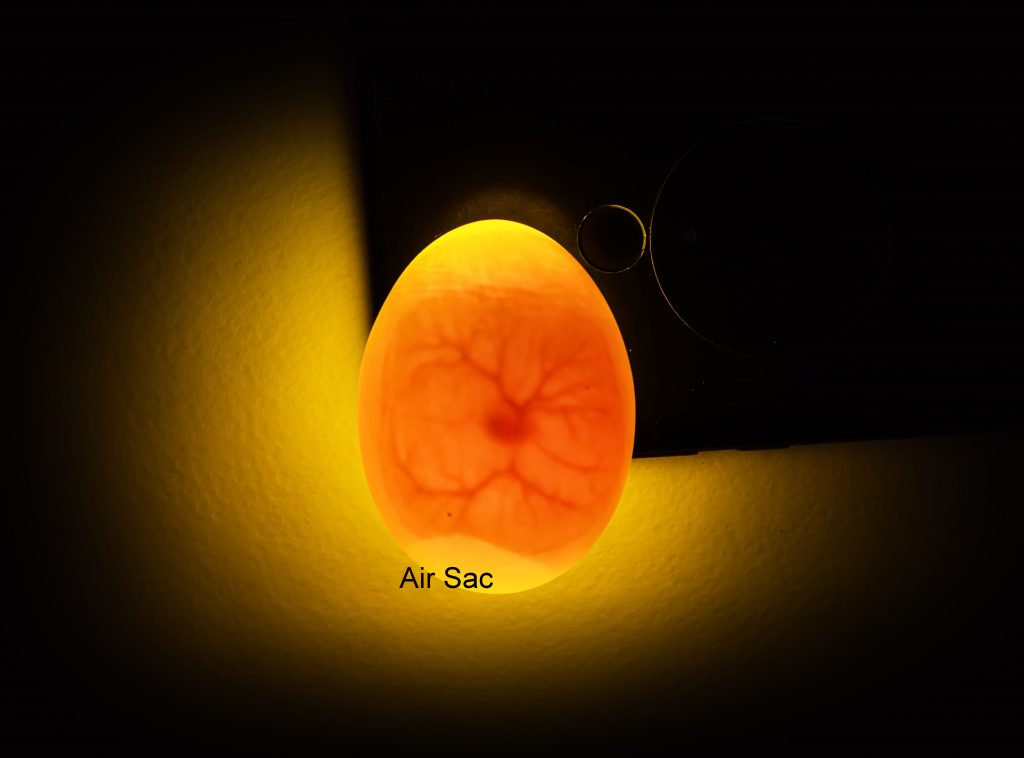
Day 7: Check for early signs of life. A fertile egg will show a small dark spot (the embryo) with red veins branching out and a visible air sac. You might even catch a little movement! If you don’t see veins or an air sac, it’s likely the egg isn’t developing.
-
Day 14: By now, a healthy chick should take up most of the egg. Look for a darker interior, less light passing through and continued movement. If it still looks clear or hasn’t changed since Day 7, the egg likely isn’t viable and should be removed.
These two candling sessions give you the clearest view of what’s happening inside the shell.
How Do I Candle an Egg Step by Step?
Here’s how I do it at home, and it doesn’t require anything fancy:
-
Wash your hands before and after handling eggs.
-
Use a bright light source in a dark room. A strong flashlight works great!
-
Place the narrow end of the egg gently against the light.
-
Look for signs of development:
-
Infertile egg: Clear inside, no veins or dark spots.
-
Fertile egg: Dark spot (embryo) with visible red veins.
-
No change by Day 14: Could mean the chick stopped developing.
-
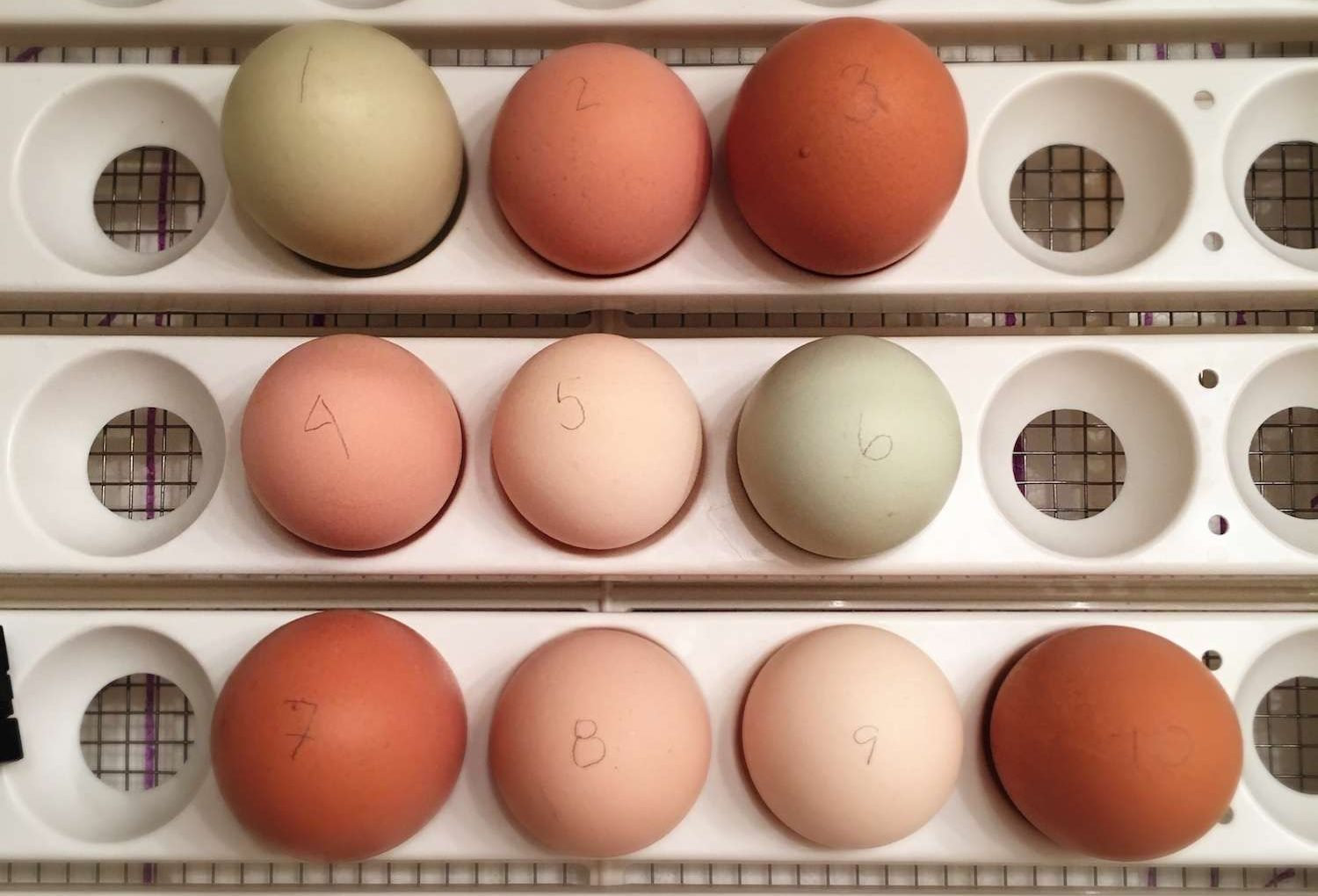
I like to number each egg and jot down what I see, just like in the photo below. It makes it so much easier to track progress throughout incubation.
Pro Tip: Always return eggs to the same position in the incubator and work quickly to preserve heat and humidity levels.
How Can I Tell if an Egg Is Fertile or Infertile?
This is the most common question I get! If the egg is:
-
Fertile: You’ll see a dark shape and spider-like veins around Day 6-7.
-
Infertile: The egg will look clear with no dark spot or blood vessels.
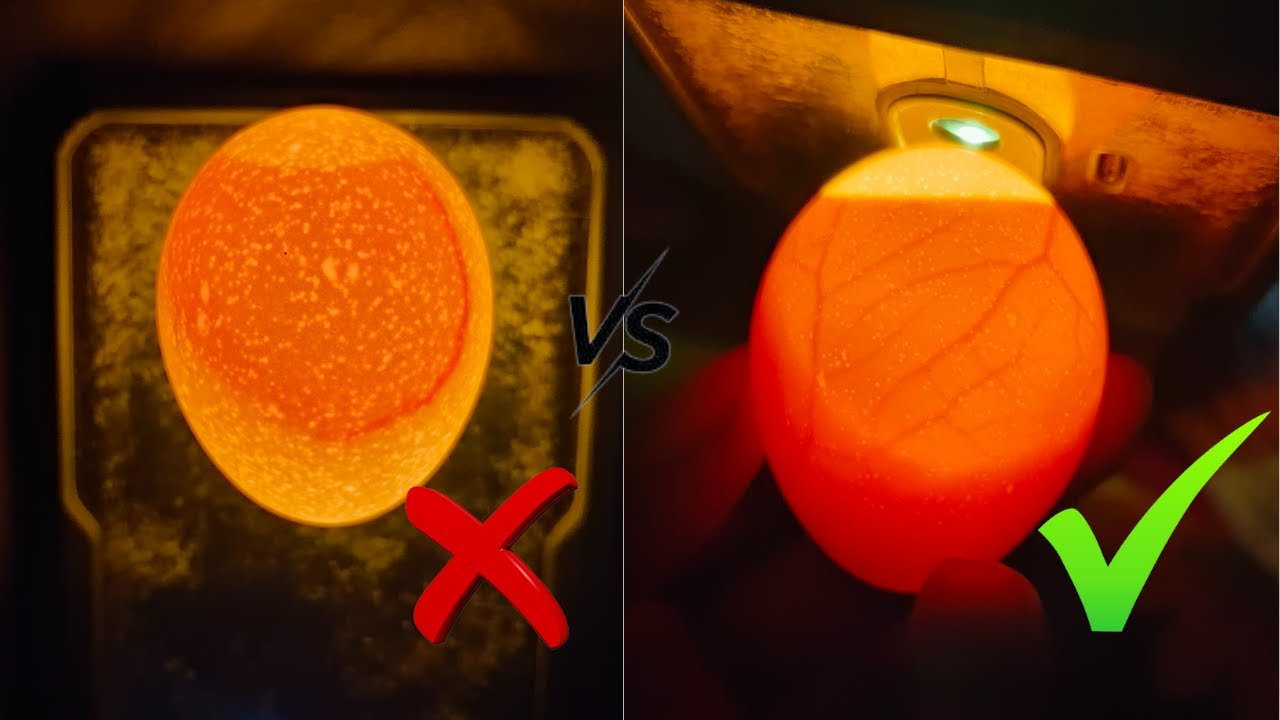
By Day 14, fertile eggs will be mostly dark with less visible light passing through. Meaning, your chick is filling up the space!
Does Egg Candling Get Easier With Practice?
The first time you candle eggs, it might feel intimidating, but trust me, it gets easier! With practice, you’ll learn to quickly spot which eggs are progressing and which ones aren’t. This not only helps you manage your hatch more confidently, but it can also prevent contamination and heartbreak later on.
If you’re hatching eggs this spring, I’d love to see your fluffy new arrivals! Send pics my way. And don’t forget to grab your Baby Chick Care Kit. It’s packed with everything your chicks need to thrive during their first month!
Until next time,
–The Wing Lady 🐣
Frequently Asked Questions
What do I need to candle an egg?
All you need is a bright light and a dark room. A strong flashlight works well, and purpose-made egg candlers are also available. Wash your hands before and after handling the eggs.
When is the best time to candle chicken eggs?
Most Keepers candle around day 7 and again around day 14 of the 21-day incubation. Day 7 shows early veins and the embryo, and day 14 shows a chick filling most of the egg. Two sessions give a clear picture without handling the eggs too often.
What does a fertile egg look like when candled?
A fertile egg shows a small dark spot with red veins branching out from it, plus an air sac. Later on, the egg looks darker as the chick grows, and you may see movement. A clear egg with no veins is likely not developing.
Should I remove eggs that look clear at day 14?
If an egg still looks clear or has not changed since day 7, it is likely not viable. Removing it keeps a spoiled egg from affecting healthy eggs in the incubator. When unsure, candle again a day or two later before deciding.
Can candling hurt the embryo?
Candling is safe when done quickly and gently. Work fast so the eggs do not cool or dry out, and return each egg to the same position in the incubator. Numbering the eggs helps you track each one.