
Quick answer
Most chick sneezing comes from irritants such as bedding dust, feed particles, ammonia from droppings or poor brooder ventilation. Chilling or overheating can also play a part. Clean the brooder, keep bedding dry and the temperature steady. If sneezing persists, or you see nasal discharge, eye swelling or lethargy, separate the chick and call a poultry veterinarian.
I think one of the most stressful parts of raising backyard chickens is the thought of one, or many, of them getting sick. As chicken keepers, we do everything we can to keep our birds healthy and happy. So when you hear a chick sneeze, it can definitely make your heart skip a beat.
The good news? Most chick sneezing is caused by something harmless, like dust or bedding irritation. But sometimes, sneezing can signal a bigger issue. Understanding the difference can help you respond quickly and keep your flock healthy.
Let’s walk through the most common reasons chicks sneeze, and what you can do about it.
What Makes Baby Chicks Sneeze?
Young chicks are very sensitive to their environment. Their tiny respiratory systems react quickly to dust, moisture and poor air quality.
Some of the most common irritants include:
-
Dust from bedding like wood shavings, hay or straw
-
Feed particles or crumbles getting into nasal passages
-
Ammonia buildup from droppings
-
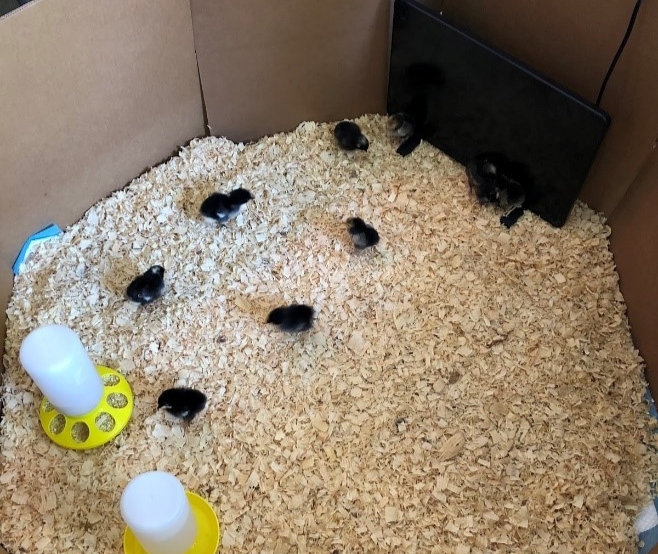
Poor ventilation in the brooder
If the brooder isn’t cleaned often enough, ammonia from chick poop can build up quickly. That strong smell doesn’t just bother you, it can irritate your chicks’ lungs and lead to sneezing.
Keeping the brooder clean, dry, and well-ventilated is one of the best ways to protect their respiratory health.
I always. and I mean always, use Coop Recuperate in the brooder. It helps freshen and extend the life of bedding, which keeps the environment cleaner and easier on those little lungs. Honestly, it’s one of the reasons I’ve stayed in backyard chickens for this long.
Can Brooder Temperature Make a Chick Sneeze?
Chicks can’t regulate their own body temperature until they’re older and fully feathered. If they get too cold, or too hot, their immune systems can weaken, making them more prone to irritation and illness.
Keeping the brooder temperature consistent is incredibly important during those first few weeks.
Your job? Keep them warm, dry and cozy.
(And if you need help setting up a brooder correctly, we’ve got a full guide that walks through it step by step.)
Is My Chick Sneezing Because It Is Sick?
While sneezing is often harmless, it can sometimes be a sign of a respiratory infection caused by bacteria, viruses or fungi.
Watch closely for these symptoms:
-
Frequent or persistent sneezing
-
Nasal discharge (especially yellow or green)
-
Coughing or wheezing
-
Swelling around the eyes
-
Lethargy or reduced appetite
If you notice these signs, separate the chick immediately. Respiratory infections can spread quickly through a flock.
And if multiple chicks show symptoms, act fast. Early action makes a big difference!
How Do I Prevent Sneezing in Baby Chicks?
The best approach is prevention. A few simple management habits can dramatically reduce respiratory problems.
Here are the practices I rely on:
-
Use low-dust bedding like shredded paper or hemp
-
Maintain good airflow without drafts
-
Clean the brooder regularly
-
Keep bedding dry
-
Monitor temperature daily
I usually clean our brooder 1–2 times per week during the first couple of weeks. Plus, chicks are way more fun to interact with when their space is clean.
Should I Quarantine New Birds?
If you’re adding adult birds to your flock, quarantine them for 30 days before mixing them in.
This step is incredibly important for preventing disease.
Personally, I don’t take in outside birds. It’s just not worth the risk for me. But I know many people who do, and quarantine is what keeps things safe.
What Should I Do if My Chick Is Sneezing?
First, don’t panic. Most of the time, it’s something simple.
Start with these steps:
-
Observe your chick for additional symptoms
-
Check ventilation and bedding conditions
-
Confirm the brooder temperature is correct
-
Clean the brooder if needed
-
Monitor behavior and appetite
I use the Baby Chick Care Kit with every new batch of chicks, and it gives me peace of mind knowing I’m supporting their respiratory, digestive and immune systems right from the start.
When Should I Call a Vet About a Sneezing Chick?
If sneezing continues or symptoms get worse, don’t hesitate to reach out to a poultry veterinarian. They can provide a proper diagnosis and treatment plan.
In my experience, staying consistent with good care and paying attention to your flock prevents most problems before they start.
And that peace of mind is worth everything.
Until next time,
– The Wing Lady
Frequently Asked Questions
Is it normal for a baby chick to sneeze?
An occasional sneeze is usually harmless. Chicks have small, sensitive airways that react to dust, feed particles and ammonia. If the sneezing stops once the brooder is cleaned and aired out, it was most likely an irritant.
Can dusty bedding make chicks sneeze?
Yes. Dust from wood shavings, hay or straw can irritate a chick’s nose and lungs. Lower-dust bedding such as shredded paper or hemp, kept dry and changed regularly, helps.
What are signs a sneezing chick is sick?
Watch for frequent or persistent sneezing, yellow or green nasal discharge, coughing or wheezing, swelling around the eyes, and lethargy or a poor appetite. If you see these, separate the chick and call a poultry-experienced veterinarian.
Can the brooder temperature cause sneezing?
It can contribute. Chicks cannot regulate their body temperature well until they are feathered, and being too cold or too hot can weaken them and make them more prone to irritation and illness. Keep the brooder temperature steady and check it daily.
How often should I clean the brooder?
Clean it often enough that bedding stays dry and there is no strong ammonia smell. The author cleans about once or twice a week in the first couple of weeks, and more often if it gets damp or smelly.
Should I quarantine new birds to protect my chicks?
Yes. If you add adult birds, keep them separate for 30 days before mixing them with the flock. Respiratory illness can spread fast, and quarantine is a simple way to keep it out.