
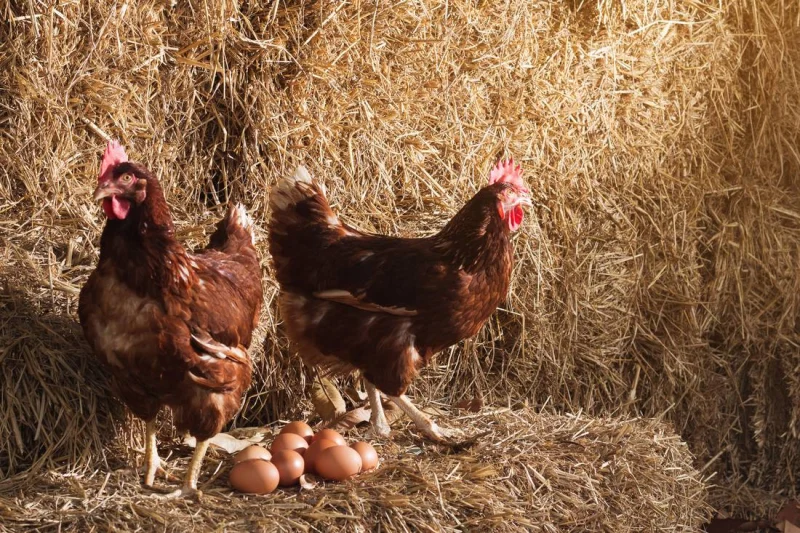
Quick answer
Most hens lay their first egg between 16 and 28 weeks of age, depending on breed, nutrition, daylight and the individual bird. White Leghorns, California Whites, ISA Browns and Amberlinks start earliest and lay the most, up to about 300 eggs a year. Classic dual-purpose breeds like Rhode Island Reds and Plymouth Rocks lay about 250 eggs and may start at 22 to 26 weeks.
Anyone studying the Hoover’s Hatchery catalog or Website faces one easy and one challenging decision. The easy one is deciding whether to buy layer or broiler chicks.
With delicious fresh eggs the goal of most people it’s easy to rule out broiler hybrids, like Cornish Rocks.
Other choices get challenging. Hoover’s sells dozens of breeds and hybrids that all promise good egg production. How does someone select chicks that are likely to begin laying at the youngest age and keep producing for many months?
Actually, that’s also a fairly easy decision but takes some planning and thought. Hoover’s lists the characteristics of chicken breeds featured in its catalog. Information includes the number of eggs to expect annually from a hen of each breed and hybrid. That helps narrow down the most appropriate chicks to buy.
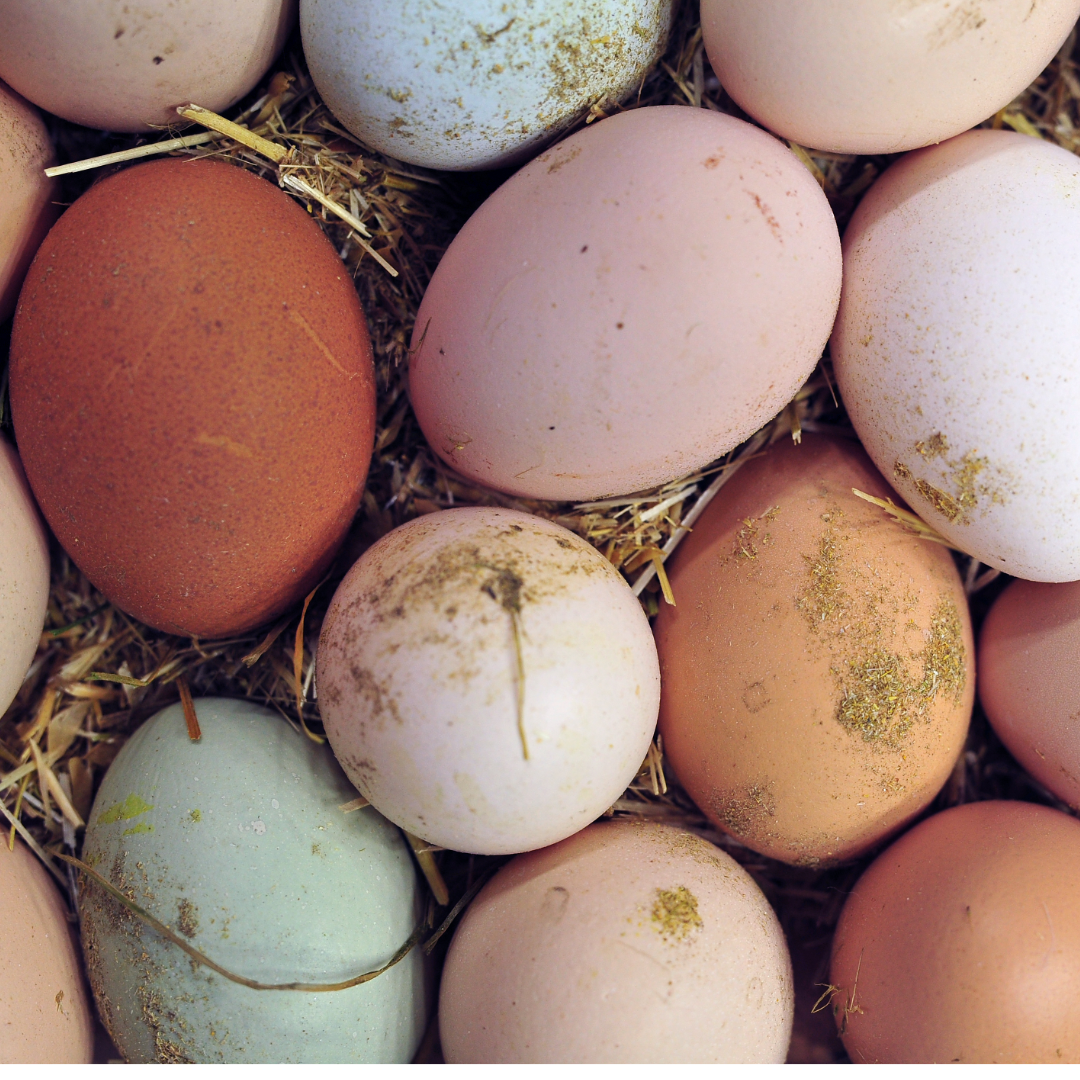
When Does a Hen Lay Her First Egg?
When Will the First Egg Come?
The wait seems endless. First comes ordering chicks or picking them up at a farm store and settling them into the brooder. Then comes weeks of brooding until the babies have enough feathers to move into the coop. Finally, they fully feather out and grow to nearly full size, but still, they aren’t laying. Patience is a virtue. That first egg will appear as if by magic when the hens are between 16 and 28 or even 30 weeks old.
The onset of egg production varies depending on the breed or hybrid, the care and nutrition the birds receive, the length of daylight, and the individuality of the birds themselves. Chickens are living things. No two are exactly alike. One Rhode Island Red, for example, might start laying when she’s 18 weeks old while her flock sisters of the same breed may wait a few more weeks. What follows may vary some but is a good general rule of thumb for the start of egg laying.
Which Chicken Breeds Start Laying Earliest?
The earliest layers: Huge commercial egg production facilities know their profit depends on getting hens laying early, laying often, and laying consistently for months.
Scientists have fine-tuned the genetics of production birds to lay the most eggs. An occasional high production pullet will lay her first egg when she’s about 16 weeks old, and others will begin within the next month. Once they lay that first egg each bird will lay about six a week for the next year…….a whopping 300+ nest gems. These high production hens lay just as furiously in a small backyard flock as a huge operation.
Among the very earliest and most prolific layers are:
- White Leghorns and closely related California White hybrids. Both lay white eggs.
- ISA Browns and Amberlinks lay brown eggs.
Slightly slower to start laying: Hoover’s Hatchery sells many breeds and hybrids that lay only slightly fewer eggs a year than the real champions listed above. Calico Princess, Production Red, and many others lay upwards of 280 eggs a year. A few may start laying by the time they’re 18 weeks old.
When Do Dual-Purpose and Heritage Breeds Start Laying?
Classic dual-purpose breeds aren’t egg production slouches: Reliable New Hampshire and Rhode Island Reds, Wyandottes, Plymouth Rocks, Australorps and many others lay around 250, or so, eggs a year. That’s a remarkable average of five eggs a hen each week. Typically, heritage breeds start laying a little later than high octane breeds and hybrids. They may wait until 22 to 26 weeks before depositing their first gem in the nest. Jersey Giants are prolific layers but are slower to start. It could take them 28 weeks, or so, for their first egg to appear.
Which Chicken Breeds Lay the Fewest Eggs?
The sluggish layers: On the opposite extreme are breeds not so good at filling the egg carton and are mostly kept for their beauty, history, or ability to go broody and raise a new generation. Polish and Cochins are gorgeous but not the best layers.
Maximum egg production, and an early onset to laying usually aren’t the only factors to consider when deciding which breeds or hybrids to buy. Most families enjoy a diversity of chickens in their small flock. Leghorns can be noisy and nervous and easily flap over a low fence. They may not be the best bird for the backyard. Isa Browns lay about as many eggs and are calmer and better suited for backyard flocks. Fortunately, anyone buying chicks for a small flock can choose a mix of breeds and hybrids that range from the super layers to the gorgeous girls that are more modest in their production.
Frequently Asked Questions
How old are chickens when they lay their first egg?
Between 16 and 28 or even 30 weeks old. Timing varies by breed or hybrid, care and nutrition, length of daylight and the individual bird.
Which chicken breeds start laying earliest?
White Leghorns and closely related California White hybrids (white eggs), plus ISA Browns and Amberlinks (brown eggs). An occasional high-production pullet lays her first egg at about 16 weeks.
How many eggs do the best layers produce?
Once they start, the top layers lay about six eggs a week for a year, more than 300 eggs.
How many eggs do dual-purpose breeds lay?
Rhode Island Reds, New Hampshires, Wyandottes, Plymouth Rocks, Australorps and similar breeds lay around 250 eggs a year, about five a week. They may not start until 22 to 26 weeks, and Jersey Giants about 28 weeks.
Which chicken breeds are poor egg layers?
Polish and Cochins are gorgeous but not the best layers, and are mostly kept for beauty, history or their ability to go broody.
Are Leghorns a good backyard breed?
They are among the earliest and most prolific layers, but they can be noisy, nervous and flap over a low fence. ISA Browns lay about as many eggs and are calmer, which suits backyard flocks.